Category Guide

Leather & Goods Sourcing Guide: China

For leather goods, the real depth is upstream: tanneries, hardware plating and zippers, not a finished-bag catalogue.

Tanneries and leather Hardware and zippers Original factory files

The Supply Chain Behind A Finished Item

Upstream steps behind a leather goods order Tanneries, hardware plating and zippers feed the assembly step, which produces the finished item. 1 Tanneries & leather 2 Hardware plating 3 Zippers & components 4 Assembly workshop 5 Finished item
A quotation rarely describes the upstream steps.
In text: Tanneries & leather → Hardware plating → Zippers & components → Assembly workshop → Finished item.
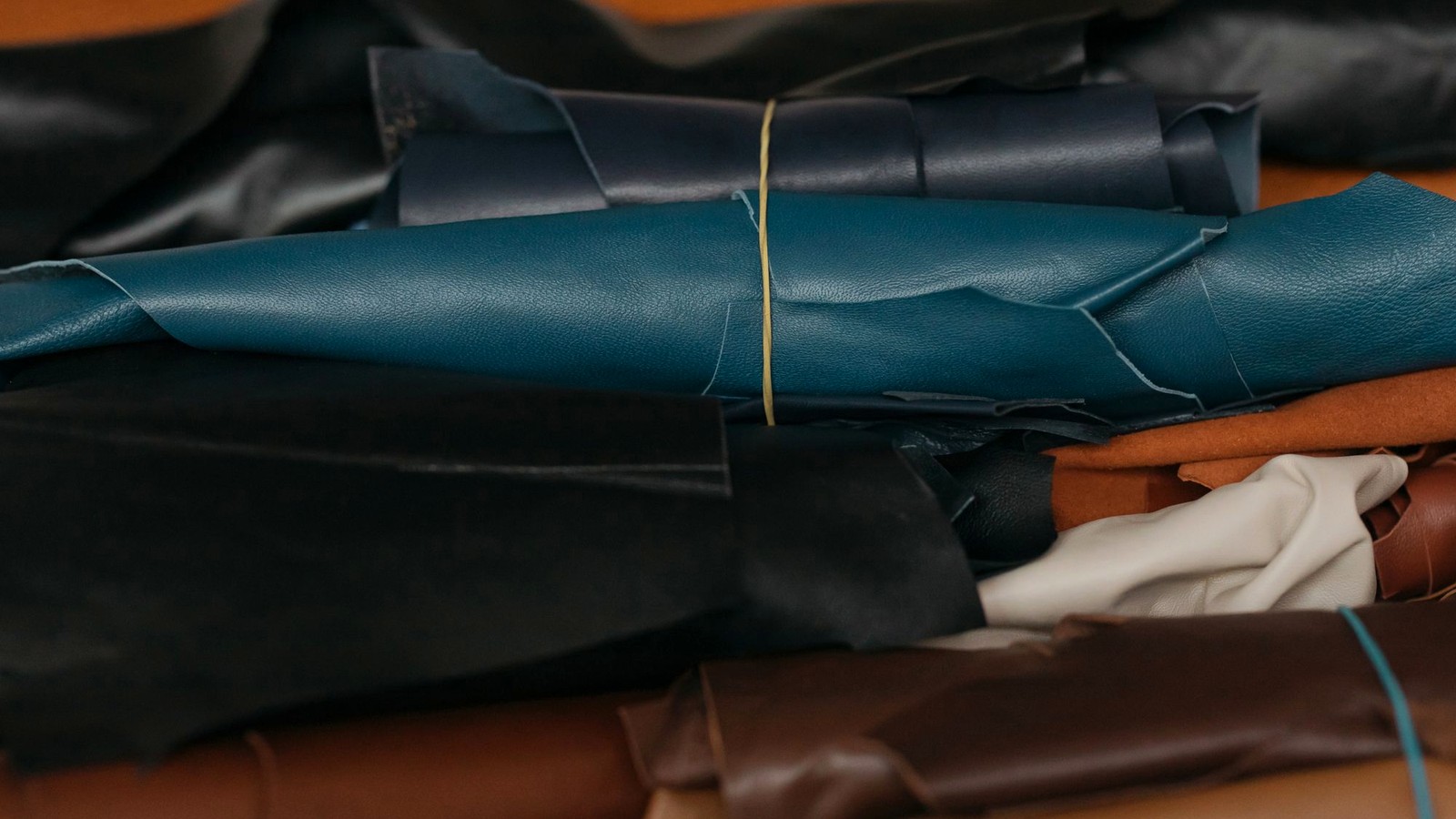
Rolled leather hides on a workshop bench.
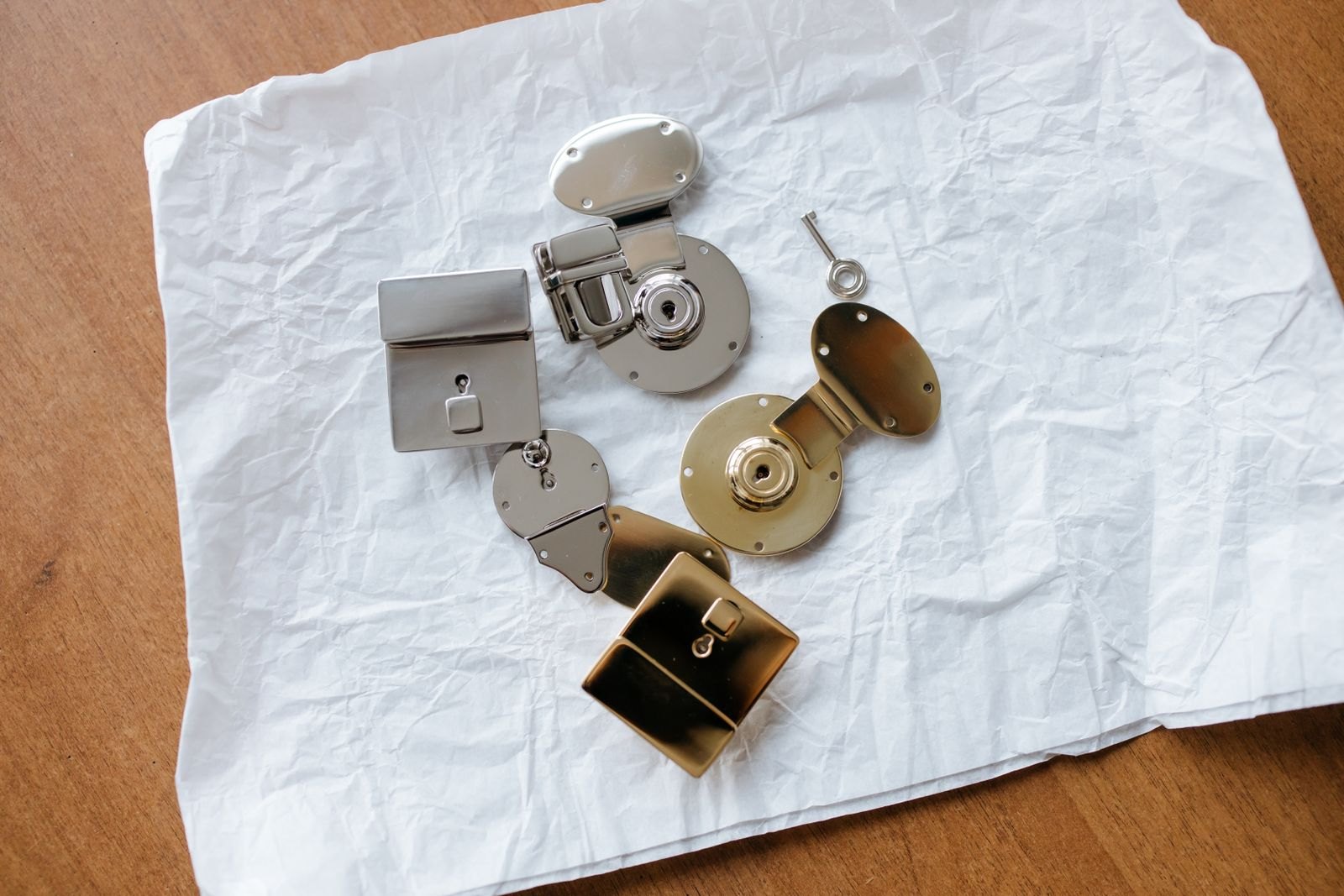
Silver and brass bag hardware sorted before assembly.
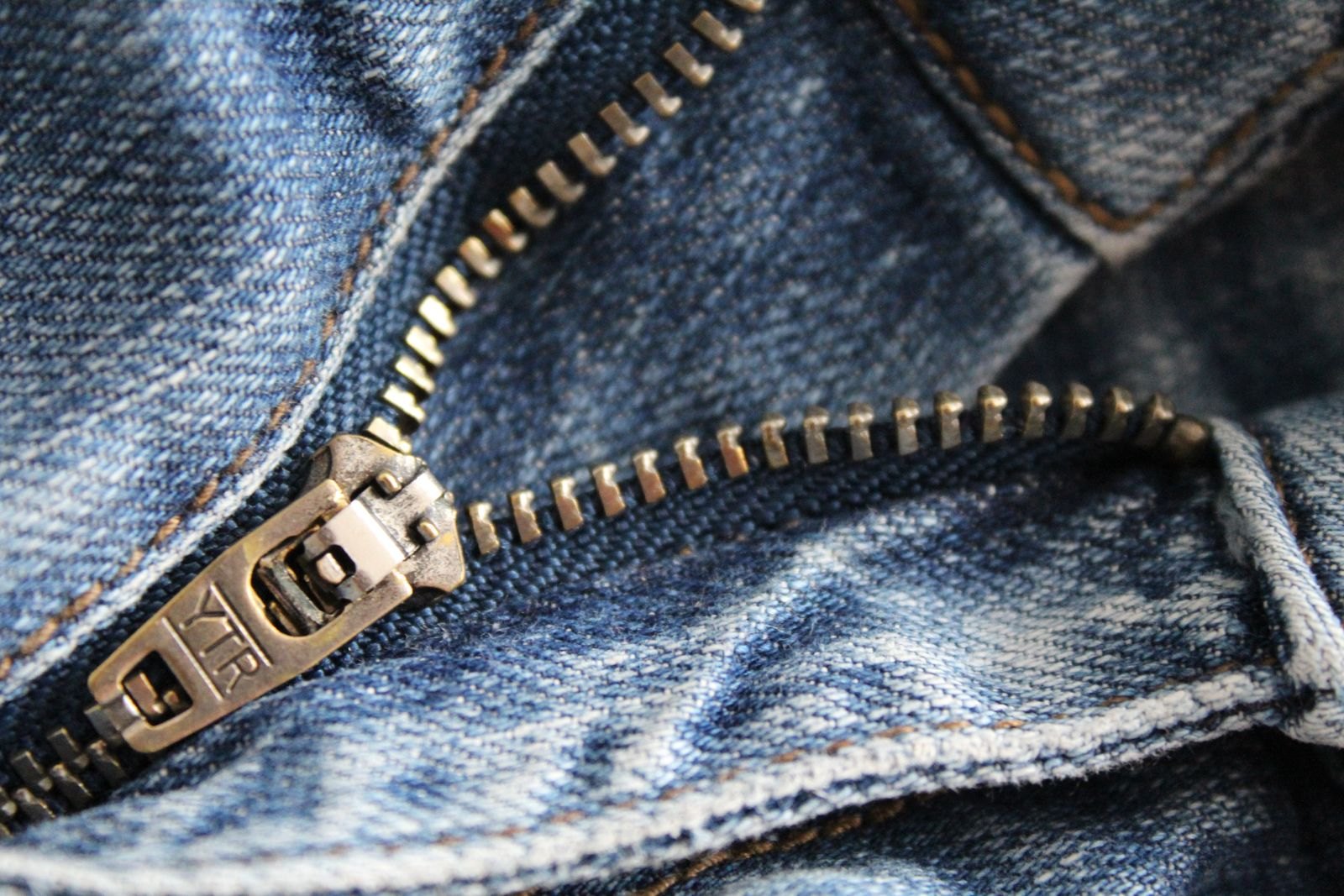
A metal zipper tooth and pull detail.

A finished-goods catalogue shows you a bag. It does not show you where the leather was tanned, how the hardware was plated, or which zipper went into it. Those upstream steps are where the cost and the quality difference usually sit, and they are not written on a factory quotation.

We work from the supply chain of the product: the upstream materials and components, the workshops that convert them, and the assembly step.

What Is Checked

Technical Ground

Upstream

What a catalogue omits
MaterialsTanning and leather
HardwarePlating and cast parts
ComponentsZippers and fittings

Workshop

What we record on site
ScopeRegistered business scope
FloorLines, workflow, finishing
SamplesChecked against spec

Documents

What you receive
FilesOriginal PDF, PPT, XLSX
RecordsDated visit notes, photos
ConclusionOurs, separately labelled

In text:
Upstream: Materials Tanning and leather; Hardware Plating and cast parts; Components Zippers and fittings
Workshop: Scope Registered business scope; Floor Lines, workflow, finishing; Samples Checked against spec
Documents: Files Original PDF, PPT, XLSX; Records Dated visit notes, photos; Conclusion Ours, separately labelled

What We Verify Upstream

The documents we ask upstream makers for. Leather: the tannery's own material documents for the batch, with hide type and finish stated by the maker, not guessed by us. Hardware: the plating specification sheet for the finish, plus the alloy and casting records the workshop can support. Zippers and fittings: the test paperwork supplied with the component.

How each document is checked. Against the one written specification for your item: who issued it, which material or model it covers, and whether it covers this production batch. Anything that cannot be tied to a factory document is reported as unconfirmed, not smoothed over.

Inspection points, MOQ and lead time. These come from the factory's own quotation and production documents for your order, not from a generic template. We do not publish numbers that no factory has committed to, and we do not issue test reports; testing goes to a licensed third-party laboratory.

FAQ

Why not start from a finished-bag catalogue?

Because it does not show the upstream steps that decide the result. We start from the supply chain of the product.

Do you issue material test reports?

No. Testing goes to a licensed third-party laboratory; we do not issue lab reports.

Can you talk to the pattern maker?

Yes. Pattern and specification details are checked directly with the workshop before samples are made.

Do you publish material test parameters?

Not until they are verified against the factory's own documents.

Start

Tell us what the item is and what you need to confirm about the upstream supply chain. We will state the scope, with the fee stated before any work starts.

Ask About Leather Sourcing