Custom products are rarely in a catalogue. A private-label order, a modified ODM platform and a from-scratch OEM part all share one failure mode: several workshops, each building to a slightly different understanding of the same product. This page sets out how a custom order is held together — the specification, the tooling, the samples and the quotation — before any category-specific detail comes in.
Private label, ODM and OEM get used interchangeably in supplier marketing. They are not the same job, and the differences change what gets checked:
| Term | What it actually means | What changes for the buyer |
|---|---|---|
| Private label | An existing factory product, rebranded as yours | Shortest path. The checks focus on what you can and cannot change: colour, packaging, minor features. |
| ODM | The factory's design, modified for you | The base platform belongs to the factory. Find out which modifications are yours and which stay shared with their other clients. |
| OEM | Your design, built by the factory | Everything depends on the drawings and the tooling. The specification is the product. |
None of the three is automatically better. The right one is the one your product actually is — and the quotation has to be built for that job, not borrowed from another.
If your order is one product from one factory, buying factory-direct is the shortest path. Most custom orders are not that simple: custom parts, a separate mould maker, packaging, or assembly after production. Someone has to hold one written specification across all of them, or the parts will not fit together.
Different suppliers each building to their own drawing is spec drift. Each one pointing upstream is a gap nobody owns. Both are coordination problems, not machine problems — and neither is visible in a factory's sales deck.
Any supplier can promise one-stop. The promise stops at the edge of its own capacity. Three questions mark that edge, in any category:
| Question | Why it matters |
|---|---|
| Are the key components made in-house or bought in? | Bought-in parts mean a second supply chain you do not control. |
| Is the tooling owned or subcontracted? | Subcontracted tooling means the sampling schedule is not in the factory's hands either. |
| Whose name is on the certification records? | If the certificate is not verifiable in the holder's name, you cannot independently check it. |
The three answers are rarely all perfect. That is fine. They get written down before prices are compared, so the comparison happens between real options, not between brochures.
Two factories can only be compared when their quotations are built the same way. Five lines decide that:
| Line | Why it decides the comparison |
|---|---|
| Unit price and quantity tiers | Same quantity, or the comparison is fiction. |
| Customization scope | What is included, what is an option, what is "discuss later". |
| Tooling or mould cost | Paid once, quoted wildly differently, sometimes hidden inside the unit price. |
| Tax and invoice | Export price and domestic price are not the same number; the quotation must say which one it is. |
| Packaging and assembly scope | Who supplies the box, who does final assembly, and whether either is inside the unit price. |
The process above is category-independent. The category knowledge is not — each guide covers the supply structure, the compliance triggers and the factory-floor checks specific to that category:

No. Factories make the goods. We build one written specification and hold every factory to it.
For most custom orders the factory makes the samples and we check each one against the written specification. In categories where the pattern and the construction carry the risk — leather goods, bags, apparel — our own pattern-making knowledge lets us work much closer to the sample. If a factory will not resource proper sampling, or has no one with that level of craft, we can coordinate specialist small-run workshops and studios to get the sample made to the specification. We do not run a sampling workshop of our own.
That is the normal case here. Catalogue-external parts and work that happens after assembly are held to the same written specification as everything else.
It is not a choice, it is what your product already is. An existing product rebranded is private label; the factory's platform modified is ODM; your drawing built is OEM. The quotation and the checks are built for the right one, not borrowed from another.
Written down as its own line in the quotation before any comparison is made. Tooling "included" in a unit price is tooling you cannot compare and may not own.
Whoever paid for it, if the contract says so. Mould ownership is one of the things that gets written down, because it decides whether you can move production to a second factory later.
The signed sample that both sides reference before mass production starts. Every later check compares the batch against it. It turns "same as the sample" from a memory into a document.
We rebuild both quotations into the same five-line structure — unit price and tiers, customization scope, tooling, tax and invoice, packaging and assembly — and compare them at the same quantity under the same written specification.
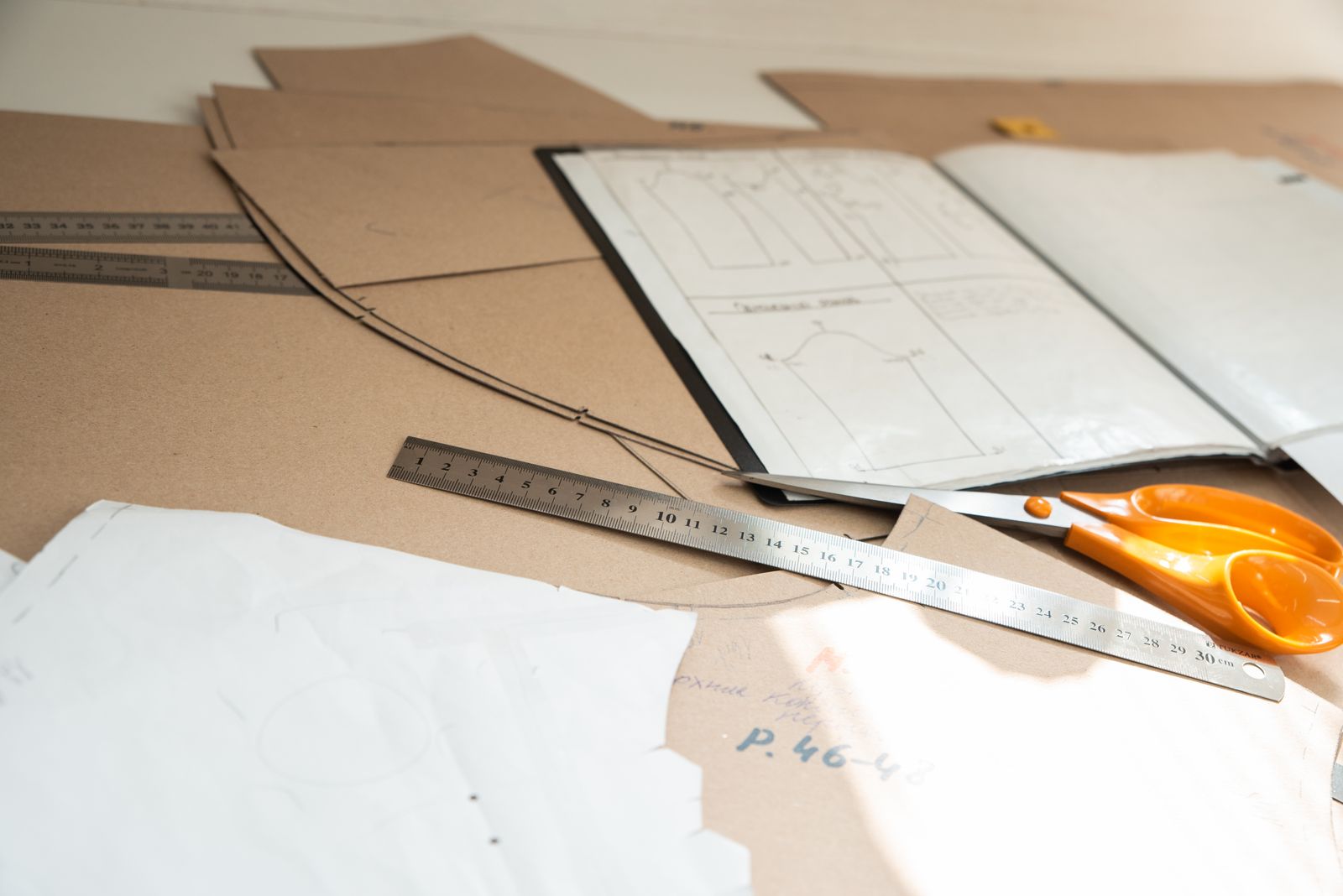
Send us the drawing, the quantity and the destination. We will state whether the order needs one factory or several, and the fee — before any work starts.
Send the Drawing