Featured answer: The 30-for-30 framework recommends returning tariffs to most-favored-nation rates on roughly USD 30 billion of trade per side: 77 Chinese product categories on the US list, and 1,619 American lines on China’s list. But as of late September 2026 it is a recommendation, not law. Both governments must complete domestic procedures before the cuts take effect simultaneously. Until an implementation date is published in the Federal Register, quote your China orders at current duty rates.
I run a sourcing office in Shenzhen, and the week a tariff headline breaks, my inbox fills with one question: “Does this change what I pay?” The 30-for-30 announcement is the biggest tariff news of the year for consumer-goods importers, and the honest answer is “soon, but not yet, and here is exactly how to prepare.” This article walks through what the deal covers, which product lines benefit, why ocean rates are falling at the same time, and how I would recompute a landed cost model today.
What the 30-for-30 Deal Actually Is (and What It Is Not Yet)
The two lists, side by side
On September 27-28, 2026, the United States and China published product lists under the U.S.-China Board of Trade, a body the two presidents set up to manage trade in non-sensitive goods. Each side recommended roughly USD 30 billion of the other’s imports, measured against 2024 trade values, for reduced tariff treatment. According to China’s Ministry of Commerce, more than 90% of the covered products would have all additional bilateral tariffs removed and would revert to most-favored-nation (MFN) rates.
The asymmetry is striking and matters for how you read the news. The US list names 77 product categories, heavily weighted toward consumer goods. China’s list names 1,619 tariff lines, dominated by agricultural goods, seafood, wood products, cosmetics, medical devices, and US coal.
| Item | US list (Chinese goods) | China list (US goods) |
|---|---|---|
| Listed entries | 77 categories | 1,619 tariff lines |
| Value basis | ~USD 30 billion | ~USD 30 billion |
| Main products | Toys, small kitchen appliances, tableware, blankets and bed linen, curtains, fireworks, holiday decorations, artificial flowers, soccer balls, children’s car seats, baby products | Corn, wheat, sorghum, meat, dairy, seafood, logs and wood products, cosmetics, medical devices, personal-care products, coal |
| Excluded on purpose | Chips, EVs, batteries, rare-earth-linked goods | Soybeans, LNG, crude oil |
| Headline rate outcome | Over 90% of lines move to MFN rates | Same target |
| Status | Recommendation, not yet in force | Recommendation, not yet in force |
The one-line takeaway from this table: this is a consumer-goods deal on the US side and an agricultural-and-energy deal on the China side, and neither half is law yet.
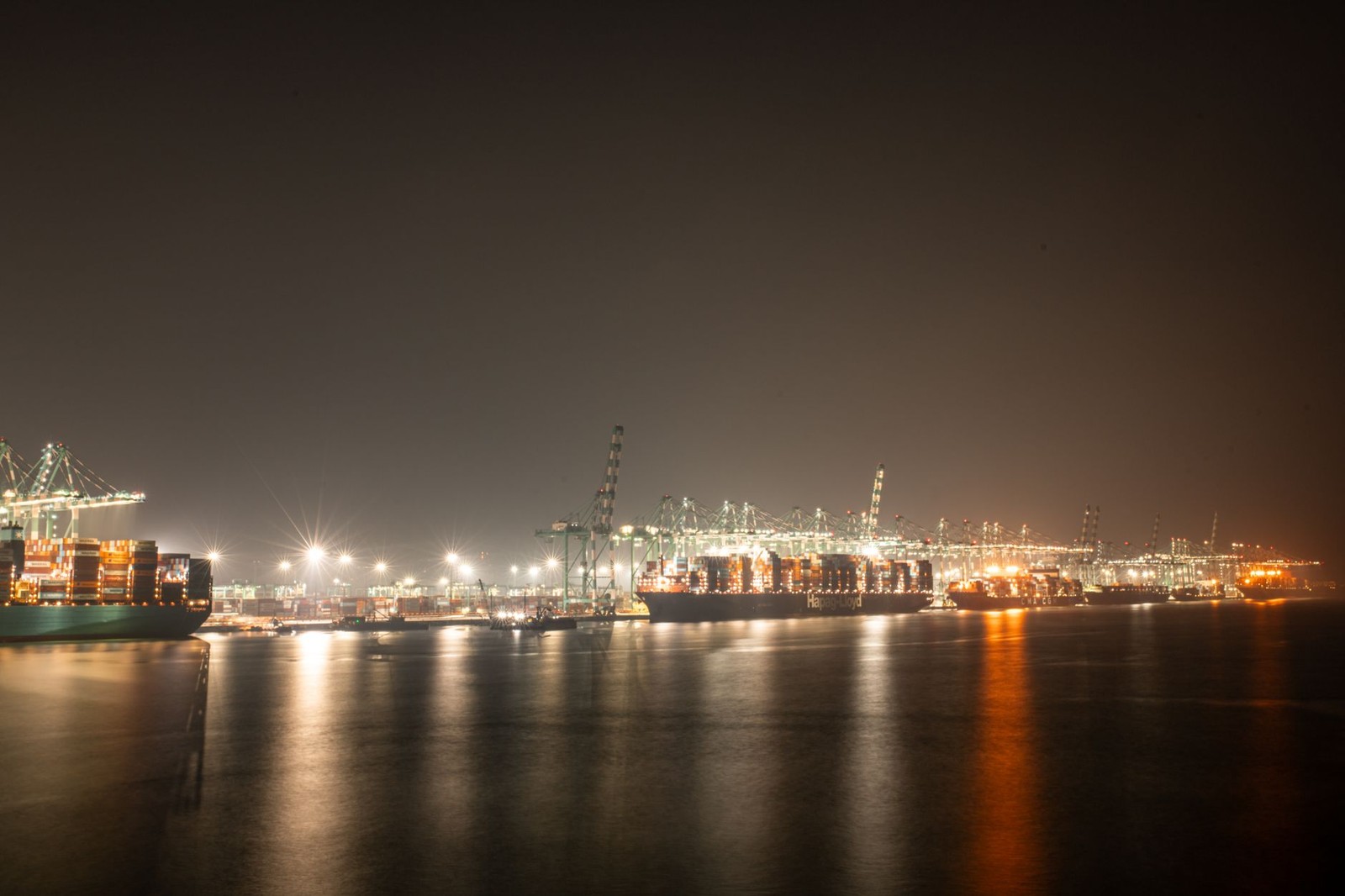
The part most headlines skip: it is a recommendation, not a tax cut
US Trade Representative Jamieson Greer’s own statement said the two sides “have recommended USD 30 billion of trade in non-sensitive goods on each side that could benefit from more favorable tariff treatment in the future.” Future tense. China’s Ministry of Commerce used the same framing: both sides will implement the cuts simultaneously only after completing their respective domestic legal procedures.
For a buyer, that means three things. First, do not reprice open orders yet. Second, do not let a supplier talk you into a “tariff-saving” deposit based on the announcement. Third, the trigger to watch is concrete: an implementation notice, most visibly a Federal Register notice on the US side, and a matching announcement from China’s Customs Tariff Commission. Until those publish, every duty calculation stays on the current stack.
What is missing from the lists tells you the deal’s limits
The exclusions are as informative as the inclusions. Soybeans, the largest US agricultural export to China, are not on China’s tariff list; Beijing handles soybean purchases through a separate commitment agreed earlier. Rare-earth-linked products, semiconductors, electric vehicles, batteries, and LNG were all left outside the framework. Strategic sectors stay exactly where they were, which tells you the 30-for-30 deal is a targeted consumer-goods relief package, not a reset of the Section 301 architecture that still covers hundreds of billions of dollars of trade.
The 77 US Categories: Who Actually Benefits
Consumer goods dominate the American list
Read the US list and you see the American holiday season in product form: toys including dolls and puzzles, glass and wooden Christmas ornaments, Christmas tree lights, fireworks, artificial flowers, holiday decorations, tableware, kitchen accessories, blankets and bed linen, curtains, small appliances such as coffee makers, toasters, microwave ovens, and electric shavers, plus soccer balls, children’s car seats, highchairs, and fish hooks. USTR framed it as benefiting American consumers on “household goods, toys, and other products that the United States generally does not import from other countries”, which is a fair description of the China supply chain for these categories.
| Category group | Typical products named | What a buyer should do now |
|---|---|---|
| Toys and games | Dolls, puzzles, soccer balls | Screen HTS lines; pause large Q4 reorders until rates are published |
| Kitchen and tableware | Coffee makers, toasters, microwave ovens, shavers, tableware, kitchen accessories | Model the MFN scenario in your cost sheet; confirm with your customs broker |
| Home textiles | Blankets, bed linen, curtains | Check whether your line is in the 77; textiles also face separate forced-labor screening |
| Holiday and seasonal | Fireworks, glass and wooden ornaments, tree lights, artificial flowers, holiday decorations | Time spring and Q4 festival orders against the implementation date |
| Juvenile products | Children’s car seats, highchairs | Note these stay subject to full US safety certification regardless of tariffs |
The table’s bottom line: if you import from China in any of these five groups, the deal was written for your product mix, but your compliance obligations (safety certs, forced-labor screening) do not shrink with the tariff.
Furniture and kitchen cabinets: a separate track, not part of the 77
If you source sofas, cabinets, or vanities from China, do not confuse this deal with the tariff pause you may have read about. The increase in tariffs on upholstered furniture, kitchen cabinets, and vanities was separately delayed for another year under the arrangement announced at the start of 2026. That pause runs on its own clock. Furniture buyers should track two dates now: the 30-for-30 implementation, and the expiry of the furniture-specific pause.
China’s 1,619 lines matter to you too, if you export or source raw materials
Most readers of this site import finished goods, but if your business touches the China list (US wood, cosmetics inputs, medical devices, or coal-linked supply chains), the same logic applies in reverse. The Ministry of Commerce also committed to importing at least 10 million metric tons of US coal annually in 2027 and 2028, roughly 2% of China’s annual coal imports, which is worth watching if energy costs feed your supplier’s pricing.
The Odd Part: Freight Rates Are Falling at the Same Time
The Shanghai index just ended a five-month climb
Here is the twist worth understanding: as tariff relief arrived, transpacific ocean rates started falling. The Shanghai Containerized Freight Index, published by the Shanghai Shipping Exchange, showed Shanghai-to-US West Coast rates around USD 7,463 per 40-foot container and US East Coast around USD 10,497 per 40 feet in late September, down about 1% from the prior reading and ending a five-month upward streak. Maersk announced it will withdraw its Transpacific Express extra-loader service between Asia and the US West Coast next month, removing about 4,000 TEU of weekly capacity.
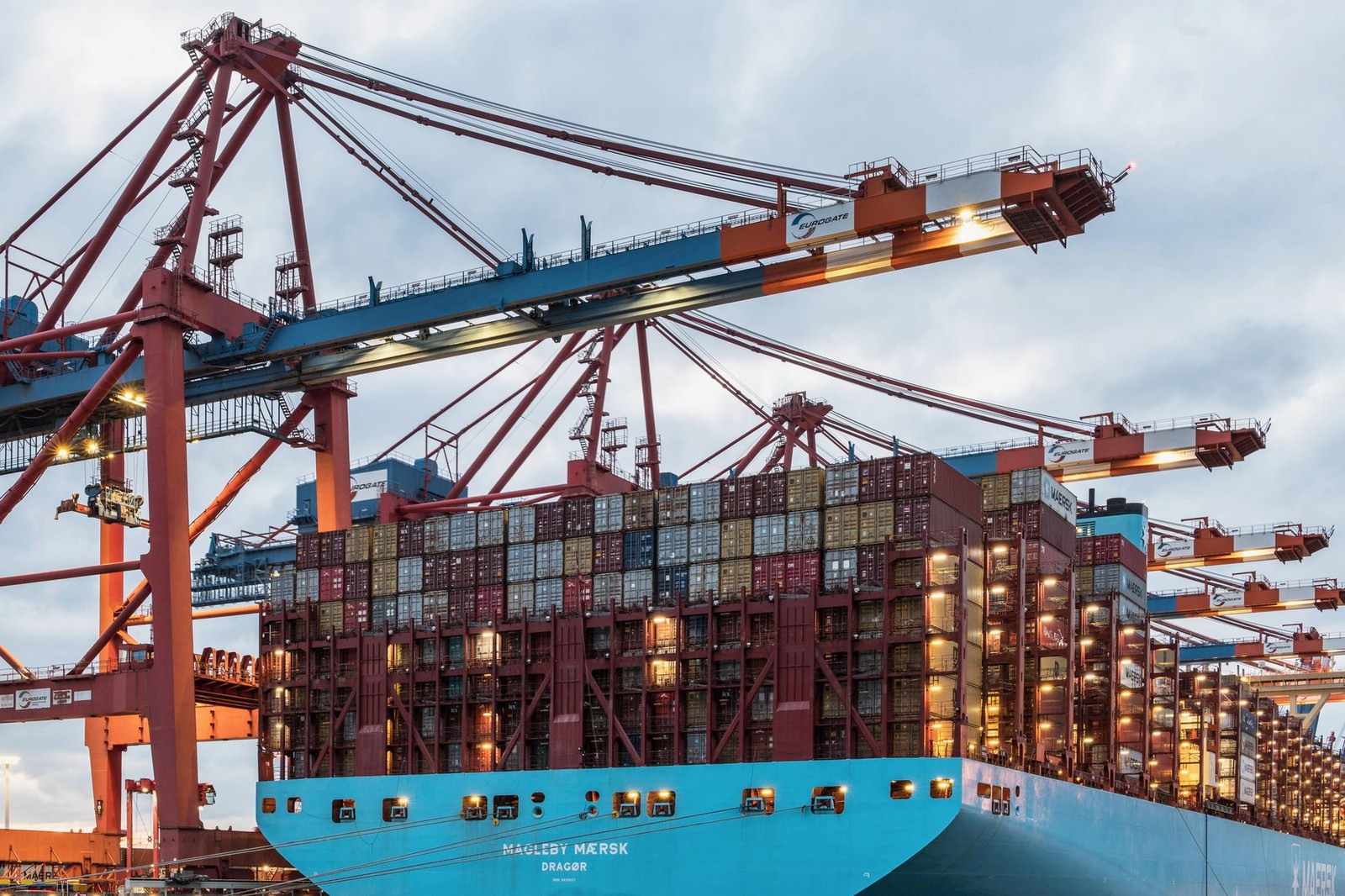
Why the deal came too late for peak season
Analysts at Linerlytica put it plainly: the tariff cuts on small appliances, tableware, bed linens, toys, fireworks, and holiday ornaments would give those flows a minor boost, but the relief arrives too late for the transpacific peak season, which winds down as China’s Golden Week holiday begins on October 1. Factories close for the week, cargo that needed to ship for the US holiday season has largely already moved, and carriers are rolling back capacity.
What falling rates plus falling tariffs mean for your Q4 orders
This combination is actually good news for buyers planning October-through-January programs. You have soft freight rates now, and a possible duty reduction once the lists take effect. My read for clients: lock freight while rates are soft, keep purchase orders on normal timing, and treat the tariff cut as upside that gets booked only after the implementation notice publishes, not before.
How to Recompute Your Landed Cost Under the New Deal
The 2026 tariff stack, briefly
Every China-origin line item currently lands with a stack, not a single rate: the MFN duty for that HTS code, plus Section 301 tariffs from the various lists, plus any additional actions stacked on top during the last two years. We covered how to model this in detail in our guide to calculating the true total landed cost of a China order under the 2026 tariff stack. The 30-for-30 deal does not change how you compute; it changes one input: on qualifying lines, the country-specific add-ons are recommended to drop away, leaving the MFN rate.
What changes, what does not, and when
What changes: on lines within the 77 categories, the extra bilateral tariffs are slated to fall away, so the duty reverts to the MFN rate for that code. What does not change: MFN rates themselves, Section 301 tariffs on the hundreds of billions of dollars of goods outside the lists, forced-labor enforcement and UFLPA screening, and every safety or certification requirement. When: only after both governments complete domestic procedures. Watch for the Federal Register notice, and remember the broader tariff truce now runs to January 10, 2027, extended from its earlier November 10, 2026 horizon.
A worked example, with honest assumptions
Say you import a USD 10,000 EXW shipment of kitchen tableware that happens to sit on one of the 77 covered lines, and your broker currently applies MFN duty plus roughly 27.5% in additional country-specific tariffs across the stack. If the recommendation lands as published (over 90% of listed lines reverting to MFN) and your line’s MFN rate is 0%, the recurring add-on drops from about USD 2,750 per container-load to zero. That is a real number worth planning around.
Two cautions before you bank it. First, whether every separate enforcement layer (such as the forced-labor tariff) is also waived on these lines is not spelled out in the published documents, so treat your saving estimate as a range, not a promise. Second, your line’s own MFN rate may not be zero (tableware MFN rates vary widely by material and code), so pull the actual MFN rate for your HTS line before you rebuild the cost sheet. The clean way to model this is the stack method we use for every US-China trade tariffs scenario: MFN plus each add-on as its own line item, so you can switch any layer on or off.
The three mistakes I see buyers make with tariff-cut headlines
The first is repricing too early: quoting customers savings that require a Federal Register notice that has not published. The second is ignoring the excluded categories and assuming “tariffs are coming down” applies to their product when their line is not in the 77. The third is canceling the Section 301 budget line entirely; until implementation, the stack still applies at the border, and a missed duty bill on arrival costs more than the budget line ever did.
What I Would Do This Week If I Were Buying on These Lines
| Your situation | What it means | Action this week |
|---|---|---|
| Your HTS line is inside the 77 categories | Duty add-ons should drop to MFN once implemented | Screen the official list now; brief your broker; hold final Q4 pricing until the Federal Register notice |
| Your line is NOT on the list | Nothing changes; current stack applies | Keep budgeting current duty rates; revisit if the lists are adjusted (they can be, at most once a year) |
| You are booking October-November freight | Rates are softening; capacity is being cut | Lock favorable rates now; expect factory closures during Golden Week (Oct 1) to stretch lead times |
Run your own screen, because the lists are official and specific. Pull the last 12-24 months of China-origin entries, match your HTS codes or product descriptions against the 77 categories published by the White House, and flag every line that touches the deal. Then ask your customs broker for a duty estimate at current rates versus MFN rates, so your finance team can model both scenarios in the cost sheet.
Put tariff language in your next purchase order. A simple clause that duties are quoted at current published rates and will be adjusted per official implementation notices protects both sides: the supplier is not asked to gamble on policy, and you do not overpay if the cut lands mid-production. I have started adding this line to client POs for the covered categories this week.
Watch two dates. The first is the implementation notice: the Federal Register entry that turns recommendation into rates. The second is November 10, 2026, the date the current written truce runs to before its extension to January 10, 2027. These two checkpoints tell you whether the relief is real and whether the broader calm that produced it is holding. If you ship small parcels rather than containers, remember that the de minimis channel for China-origin goods has already ended; container consolidation economics shifted permanently after the de minimis exemption ended, and the 30-for-30 deal does not bring that channel back.
One more thing worth saying as a sourcing agent on the ground: the Golden Week factory closure starting October 1 will slow every quote, sample, and booking this week regardless of tariffs. If you have a costing decision pending with a supplier, push it through before October 1 or expect it to sit for a week.
The Bottom Line
The 30-for-30 deal is the first broad tariff relief for Chinese consumer goods since the tariff wars escalated, and the categories it covers (toys, kitchenware, textiles, holiday goods, juvenile products) are exactly the categories most small and mid-size American importers live on. But it is a recommendation awaiting two governments’ paperwork, not a price cut you can invoice against today. Screen your lines against the official lists now, model the MFN scenario in your landed cost spreadsheet, lock in soft freight rates while they last, and keep paying current duties until the Federal Register says otherwise. The buyers who profit from this deal will be the ones who treated it as a planning input, not a headline.
Footnotes
- Ambassador Jamieson Greer, “Statement on Announcement of Recommendations from the U.S.-China Board of Trade,” USTR, September 27, 2026. ustr.gov
- The White House, “Products recommended by the Board of Trade for the 30-for-30 framework,” September 2026. whitehouse.gov
- The White House, “Terms of Reference for 30-for-30 Framework,” September 2026. whitehouse.gov (PDF)
- USTR, “China Import List with Unofficial English Translation Description,” September 2026. ustr.gov (PDF)
- Ministry of Commerce of the People’s Republic of China, “Head of the Department of American and Oceanian Affairs interprets the outcomes of the eighth round of China-US economic and trade consultations,” September 28, 2026. mofcom.gov.cn
- Shanghai Shipping Exchange, “Shanghai Containerized Freight Index,” week of September 24, 2026. en.sse.net.cn