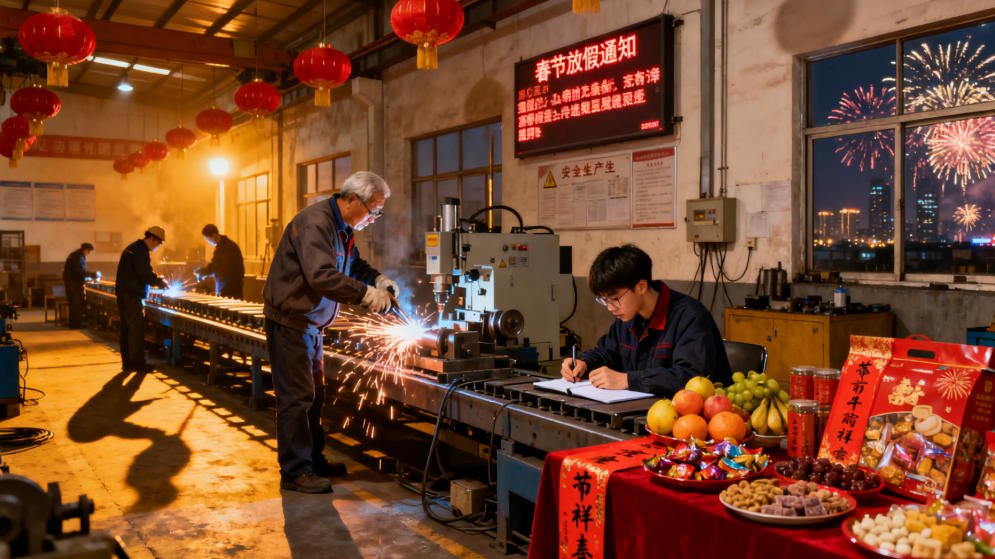
I know the stress that comes when shipping costs suddenly rise around Chinese New Year because many importers ask me the same question every year, and I also face similar pressure when I plan my own logistics schedule.
Understanding why CNY logistics costs increase is essential for maintaining your profit margins during the busiest time of the year. As the 2026 Chinese New Year shutdown approaches, a combination of container shortages, carrier blank sailings, and a massive pre-holiday rush creates a 'perfect storm' for shipping rates. In this guide, we break down the core drivers of these price hikes and provide actionable strategies to help you navigate the peak season without overpaying for freight.
The main reason logistics costs increase around Chinese New Year is that manufacturing and transport capacity shrink at the same time demand rises. Production slows weeks before the holiday, workers return home, factories close, and freight demand spikes before the shutdown. I always see higher rates, slower booking, and tighter capacity during this period.
This guide explains why the cost changes, how to prepare for it, and what steps help reduce the impact if you rely on China for production or sourcing.
How can I predict logistics cost hikes during Chinese New Year?
I feel anxious each time the holiday gets close because I know freight rates will rise, and I worry that I may not get space if I do not plan early.
I predict cost hikes by watching factory shutdown schedules, booking trends, and carrier advisories. These signals help me know when demand peaks, when capacity drops, and when rates will rise.
Understanding how shutdown timing shapes cost trends
Predicting logistics cost hikes starts with a clear view of the shutdown rhythm. Chinese New Year public holidays may last one week, but most factories slow down 2–4 weeks earlier. Many workers leave early, so output drops. Some factories stop production one to two weeks before the official holiday. In 2026, Chinese New Year falls on February 15–20, but many plants will already be closed by early February or even late January. This early slowdown affects the entire supply chain.
Watching freight demand and booking congestion
When factories rush to complete orders before closing, they push many shipments into the same two-to-three-week window. Freight forwarders receive more booking requests than usual. This demand spike creates congestion at ports, airports, and warehouses. Carriers raise rates when there is not enough space. Importers who wait too long face higher surcharges or cannot secure space at all.
Tracking early carrier notices
Carriers and logistics companies usually publish advisories weeks or months ahead. These notices include schedules, surcharges, cut-off dates, and possible delays. I use these notices to estimate when the cost surge will start. For example, I know sea freight rates often begin rising 3–6 weeks before the holiday. Air freight usually spikes even earlier if many importers try to ship urgent goods before the break.
Monitoring supplier calendars
Accurate forecasts depend on supplier confirmation. Each supplier has different shutdown and restart dates. Sub-suppliers may close earlier than final assemblers. I always collect written calendars from every factory. This gives me a clear picture of the true production window. It also helps me predict when pressure on logistics will be strongest.
Reading long-term patterns
Chinese New Year happens every year, so historical rates are helpful. Freight levels almost always rise before the holiday, fall briefly during the shutdown, then rise again when factories restart and release new orders. I treat these patterns as signals. They help me plan the next cycle and build better predictions for the year ahead, especially when working with China sourcing and logistics timelines.
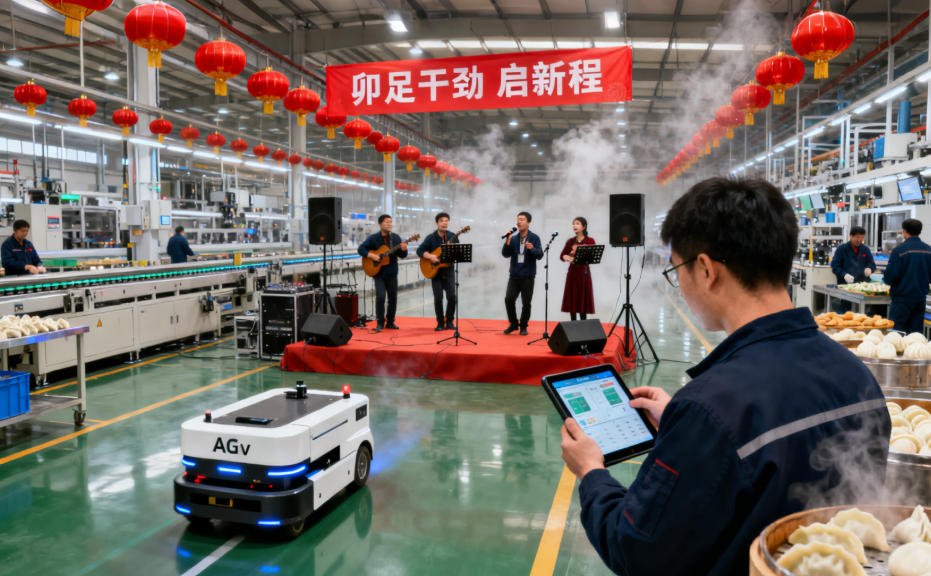
What factors affect shipping costs during the Chinese New Year period?
I worry about this question each year because I see so many elements change at the same time, and I know even one weak link can disrupt the full supply chain.
Shipping costs rise during Chinese New Year because demand grows, factory output drops, workers return home, carriers add surcharges, and transport networks face congestion before and after the holiday.
Production slowdown before shutdown
Many factories reduce capacity well before the official holiday. Workers leave early to travel home, and production teams lose people quickly. This slowdown creates a rush. Buyers push suppliers to finish as much as possible before closure. Suppliers push forward shipments to meet deadlines. These pressures combine and send a large wave of goods into the logistics system at the same time. When demand rises faster than capacity, costs increase.
Full shutdown during holiday
Factories close completely for one to three weeks. During this time, almost no production moves. Transport teams also take breaks. Truck drivers are limited. Warehouse staff work fewer hours. Even customs offices may slow down. Transport capacity shrinks. Carriers know demand is still high, so they keep rates up.
Post-holiday restart
After Chinese New Year, factories take time to return to normal. Many workers do not return on time. Some do not return at all. Production may run at half capacity for weeks. Delays pile up. New and old orders overlap. This means another surge of shipments enters the supply chain. Post-holiday congestion creates a second wave of higher costs.
Carrier rate adjustments and surcharges
Most carriers add peak-season surcharges before Chinese New Year. This includes sea freight, air freight, and even trucking. These charges compensate for high demand, long waiting lines, and the need to reposition equipment. For businesses that depend on China product sourcing, these surcharges are predictable but unavoidable.
Container and equipment imbalance
When demand increases before the holiday, containers move out of China quickly. Many empty containers do not return fast enough. This creates a shortage. When equipment is not available, carriers increase prices. Importers must pay more or wait longer.
Congestion at ports and airports
Full yards slow down operations. Loading and unloading times increase. Backlogs grow. Ships may skip ports. Air freight terminals may struggle with volume. Congested facilities lead to delayed departures and higher surcharges.
Labour shortages in transport sectors
Truck drivers, warehouse workers, and port operators may leave early for holiday travel. This reduces labor at a time when workload is high. Carrier schedules become tighter. Some shipments wait longer. Higher labor demand equals higher prices.
Supply chain uncertainty
When risk increases, so does cost. Importers sometimes pay for extra services such as faster booking, better space guarantees, or urgent air freight. This risk-management behavior drives rates up even more.
How can I optimize my shipping strategy to reduce extra costs during the holiday?
I always try to adjust my plan early because I know last-minute decisions will cost more and create more stress.
I reduce extra costs by ordering early, confirming factory schedules, building buffer inventory, booking freight in advance, and splitting shipments to reduce delay risks.
Start procurement early
The most effective method is to start months in advance. Many importers place orders two to three months before Chinese New Year. Some begin even earlier depending on product type. When I help clients with China factory sourcing, I advise them to lock in production slots by early December or earlier.
Confirm shutdown calendars with every supplier
Each supplier operates on a different schedule. Some stop early, some stop late. Sub-suppliers may stop earlier than final assembly factories. I collect a full shutdown plan from each one.
Build buffer inventory
I build enough inventory to cover two weeks before Chinese New Year until four to six weeks after restart. For fast-moving products, some businesses prepare six to ten weeks of stock.
Book freight space early
Sea freight and air freight space become scarce before the holiday. I book early. This prevents rate spikes and ensures confirmed space.
Split shipments
Instead of sending one big shipment close to the holiday, I send part early and part later. Smaller shipments reduce risk.
Use mixed transport modes
Some importers mix sea, air, and rail. Part of the order goes by sea. The urgent part goes by air.
Maintain close communication
Clear communication with factories and logistics partners avoids misunderstandings. I confirm packing dates, booking cut-offs, and truck pickup schedules.
Build contingency plans
I prepare backup options such as alternative suppliers, faster freight, or secondary routes.
Is it possible to avoid increased logistics costs during the Chinese New Year?
I often hope I can avoid the cost increase, but after many years of planning, I know that this seasonal price rise is almost impossible to skip fully.
I cannot avoid the increase completely, but I can reduce its impact by planning early, holding stock, diversifying suppliers, and managing risks across the whole supply chain.
Understand what cannot be avoided
Higher demand and lower capacity cause rates to rise every year. Avoiding all extra costs is not realistic.
Focus on control, not elimination
Instead of trying to avoid the cost surge, I try to reduce it through planning and predictability.
Diversify suppliers and regions
Some importers add suppliers in Southeast Asia or other regions to reduce dependency on the Chinese New Year cycle.
Build long-term stability
Clear forecasts, rolling purchase plans, and early communication build stability.
Shift your cycle
Some companies shift procurement to earlier quarters to reduce Q1 pressure.
Prepare for post-holiday delays
Planning for slow restarts helps avoid costly urgent orders.
Final Thoughts
Early planning and clear schedules help reduce most challenges that appear during the Chinese New Year logistics cycle.
Footnote
- Chinese New Year 2026: How to prepare your supply chain
- Chinese New Year shutdown: How to plan supply chain
- Chinese New Year 2026: How to Prepare for the Factory Shutdown
- Chinese New Year Shutdown 2026: Essential Supply Chain Prep
- How to Build a Manufacturing Strategy Ahead of the Chinese New Year
- Impact of Lunar New Year on 2025 Supply Chain Operations
- Mastering Chinese New Year Shipping Delays for Supply Chain Success
- Chinese New Year Shutdown 2026: How to Prepare
- Chinese New Year 2025: Wisdom and Intuition for the Supply Chain
- Chinese New Year Shipping: Strategies to Avoid Disruptions