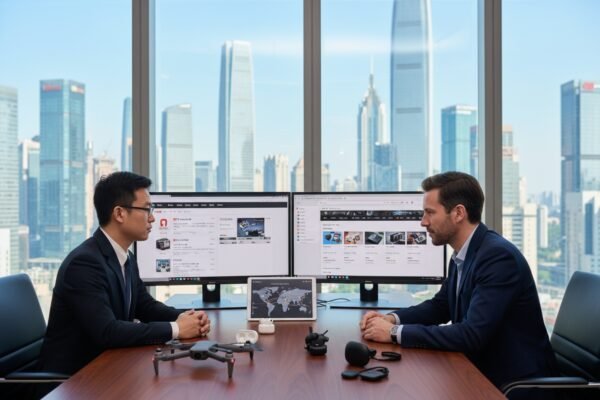
When our team helps clients source products from China, the most common question we hear is about finding trustworthy suppliers. Many buyers have been burned by scams or quality issues. The frustration is real.
The best channels to find reliable Chinese suppliers via sourcing agents include B2B marketplaces like Alibaba and 1688, freelance platforms such as Fiverr and LinkedIn, local factory networks in manufacturing hubs like Shenzhen, and offline verification methods including trade shows and factory audits. Your choice depends on budget, trust level, and product complexity.
This depends on your budget and how much you trust your sourcing agent. If you have a larger budget and trust your agent fully, let them find suppliers based on your unique needs. If your budget is limited, you can search on Alibaba 1 or 1688 yourself. But beware of risks like language barriers and scams. Let me walk you through the best channels and how to use them effectively.
How can I use a sourcing agent to find better manufacturers than those on Alibaba?
In our daily work coordinating between overseas buyers and Chinese factories, we see the same problem repeatedly. Buyers find suppliers on Alibaba but receive poor-quality goods. They feel stuck. The truth is that Alibaba shows only the tip of the iceberg.
A sourcing agent finds better manufacturers than Alibaba by accessing domestic platforms like 1688, leveraging local factory relationships, conducting on-site audits, and negotiating directly in Mandarin. Agents filter out trading companies and connect you with actual factories that don't advertise internationally, often securing 20-30% better pricing.
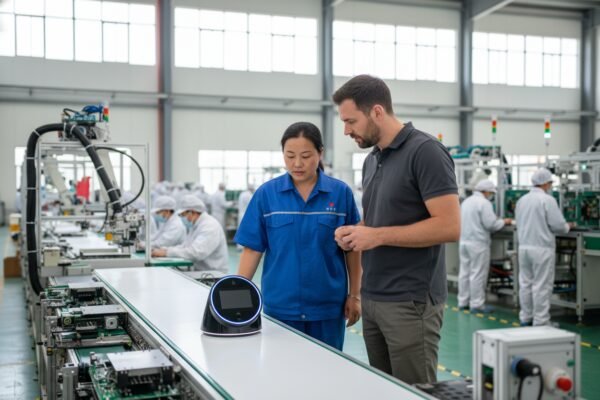
Why Alibaba Alone Is Not Enough
Alibaba is a starting point, not the finish line. Most listings on Alibaba are from trading companies, not real manufacturers. These middlemen add 15-40% markup to prices. They also have less control over quality and delivery times.
Our experience shows that genuine factories often don't list on international platforms. They lack English-speaking staff. They don't know how to market globally. But they make excellent products at competitive prices.
How Agents Access Hidden Suppliers
Sourcing agents use channels that foreign buyers cannot access easily. The most important is 1688.com 2, the domestic version of Alibaba. Prices there are 30-50% lower. But the platform is entirely in Chinese. Payment systems require Chinese bank accounts or Alipay.
| Channel | Language | Payment Method | Typical User | Price Level |
|---|---|---|---|---|
| Alibaba | English | International cards, PayPal | Foreign buyers | Higher |
| 1688 | Chinese only | Alipay, Chinese banks | Domestic buyers, agents | Lower |
| Made-in-China | English | International cards | Foreign buyers | Medium |
| Global Sources | English | International cards | Verified buyers | Medium-High |
The Verification Process
Good agents don't just find suppliers. They verify them. This includes checking business licenses, visiting factories, and reviewing production capabilities. At our Shenzhen office, we conduct factory audits 3 before recommending any supplier.
The audit covers equipment quality, worker conditions, quality control systems 4, and financial stability. We reject about 60% of suppliers during this process. This saves clients from costly mistakes.
Cost Comparison Example
Let me share a real scenario. A client wanted 5,000 units of a smart home device. On Alibaba, the quoted price was $12 per unit. Through our local connections, we found the actual manufacturer. The price dropped to $8.50 per unit. That's a savings of $17,500 on one order.
Why should I hire an agent on Fiverr or LinkedIn to manage my supplier search?
When we first started offering services on freelance platforms, some industry peers questioned the approach. They thought professional sourcing only happens through established firms. They were wrong. The game has changed.
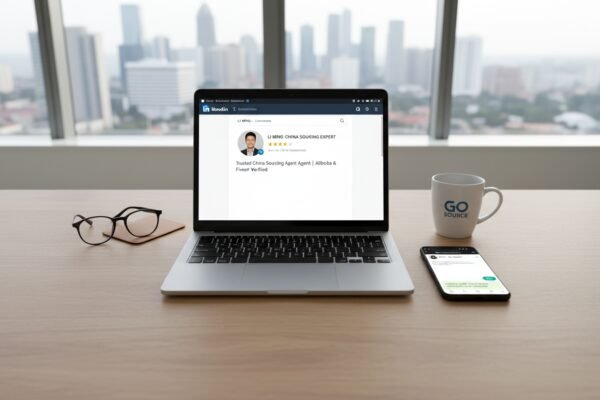
Hiring a sourcing agent on Fiverr or LinkedIn offers flexibility, lower entry costs, and access to specialized expertise. These platforms let you review agent credentials, check client feedback, and start with small projects before committing to larger partnerships. This reduces risk for SMEs testing Chinese suppliers for the first time.
Benefits of Freelance Platforms
Freelance platforms democratize access to sourcing expertise. A startup with a $5,000 budget can now access the same quality of service that previously required expensive agency retainers. This levels the playing field.
On Fiverr, you can find agents specializing in specific industries. Some focus on electronics. Others know textiles inside out. This specialization means better results for your specific product category.
Evaluating Agent Credentials
Not all agents on these platforms deliver equal value. Here's what to look for:
| Criteria | Red Flags | Green Flags |
|---|---|---|
| Experience | Less than 2 years | 5+ years in specific industry |
| Location | No clear China presence | Office in manufacturing hub |
| Communication | Slow responses | Quick, detailed replies |
| Reviews | Generic praise | Specific project success stories |
| Services | Vague offerings | Clear process and deliverables |
LinkedIn Advantages
LinkedIn offers something Fiverr cannot: professional networking verification. You can see an agent's career history, mutual connections, and company affiliations. This transparency builds trust.
Many experienced agents maintain LinkedIn profiles alongside their service offerings. They share industry insights and case studies. This content demonstrates expertise better than any sales pitch.
Starting Small and Scaling
We always recommend new clients start with small projects. Order 100 units instead of 10,000. Test the agent's communication, problem-solving, and follow-through. A good agent welcomes this approach because they know their service quality speaks for itself.
Fee Structures to Expect
Agents on freelance platforms typically charge in three ways:
- Fixed project fee: Best for defined tasks like factory audits
- Percentage of order value: Usually 3-10% for procurement management
- Hourly rate: Suitable for consulting and research tasks
Transparent flat-fee structures are gaining popularity in 2026. They appeal to Amazon FBA sellers and SMEs who want predictable costs without hidden surprises.
How do my agent's local connections in Shenzhen help me access exclusive factory networks?
Our Shenzhen office sits in the heart of China's manufacturing ecosystem. Within a 50-kilometer radius, we can visit factories making consumer electronics, smart home devices, and toys. This proximity matters more than most buyers realize.
An agent's local Shenzhen connections provide access to exclusive factory networks through personal relationships built over years, including factories that don't advertise online, OEM facilities serving major brands, and specialized manufacturers for technical products. These relationships enable better pricing, priority production slots, and faster problem resolution.
The Relationship Economy
Chinese business culture values relationships deeply. Factories prioritize partners they know and trust. A sourcing agent with established connections gets responses that cold inquiries never receive.
When our team contacts a factory, we're not strangers. We've visited their facilities. We've shared meals with their management. We've handled problems together in the past. This history opens doors.
What Exclusive Networks Offer
| Benefit | Standard Supplier | Network Factory |
|---|---|---|
| Pricing | Published rates | Negotiated discounts |
| MOQ | Fixed minimums | Flexible quantities |
| Production Priority | Queue position | Expedited slots |
| Quality Issues | Formal complaints | Direct resolution |
| Customization | Limited options | Full collaboration |
Case Study: Electronics Sourcing
Last year, a client needed custom flight controllers for drones. The standard route would involve months of sampling and negotiation. Through our network, we connected them with a factory already making similar products for a major US brand.
The factory didn't advertise these capabilities online. They were fully booked with existing clients. But our relationship secured a meeting. Within three weeks, the client had samples. Production started the following month.
Technical Manufacturing Expertise
Shenzhen excels in technical manufacturing: metals, plastics, electronics, and precision components. Our connections include factories with specific certifications like ISO 9001, BSCI, and CPSC compliance 5 for US imports.
In 2026, CPSC certification has become essential for consumer goods entering the US market. Agents with lab connections can expedite this process. Some agencies, like those with in-house testing facilities, offer faster certification paths.
Building Your Own Network Through Agents
Working with a local agent doesn't mean staying dependent forever. Good agents introduce you to factory contacts. Over time, you build your own relationships. The agent becomes a facilitator rather than a gatekeeper.
We encourage clients to visit China when possible. Meeting factory owners face-to-face transforms the business relationship. Your agent handles logistics and translation, making the trip productive.
What offline channels will my sourcing agent use to ensure my suppliers are actually reliable?
Digital searches only reveal what suppliers want you to see. The real story emerges through offline verification. When we assess suppliers for clients, we go beyond websites and certificates. We get our hands dirty.
Sourcing agents ensure supplier reliability through offline channels including in-person factory audits, trade show attendance at events like Canton Fair, industry peer referrals, government business registry verification, production monitoring visits, and pre-shipment quality inspections. These methods expose issues that online research cannot detect.
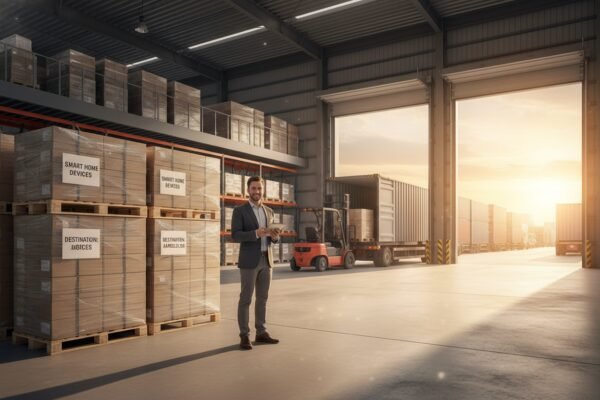
Factory Audits: The Gold Standard
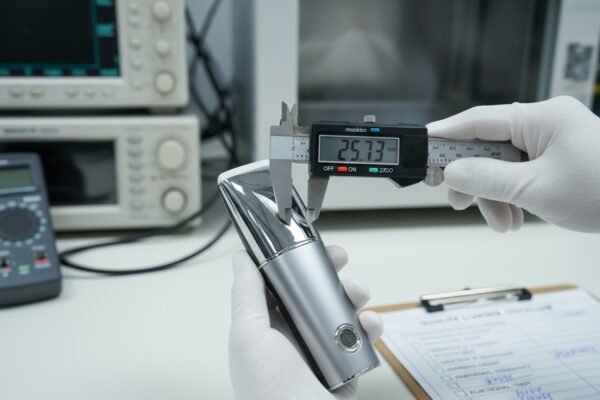
Nothing replaces walking through a factory. During audits, we observe equipment condition, worker expertise, quality control stations, and management organization. These details reveal capabilities that photos and certificates cannot.
Our audit checklist covers:
- Business license verification
- Equipment age and maintenance
- Quality control procedures
- Worker safety conditions
- Production capacity utilization
- Financial stability indicators
Trade Shows: Meeting Face-to-Face
The Canton Fair 6 remains China's largest trade event. Twice yearly, suppliers showcase products and capabilities. Walking these halls, agents identify emerging manufacturers and verify existing supplier claims.
| Trade Show | Focus Area | Frequency | Best For |
|---|---|---|---|
| Canton Fair | General merchandise | Biannual | Wide product range |
| Global Sources | Electronics, gifts | Multiple yearly | Verified suppliers |
| HKTDC Fairs | Various industries | Ongoing | Hong Kong verified |
| CES Asia | Consumer electronics | Annual | Tech products |
The Referral Network
Industry referrals carry weight. When a trusted factory owner recommends another manufacturer, that recommendation means something. Our network includes suppliers across product categories who refer clients to each other for specialized needs.
This referral system creates accountability. Factories protect their reputation by only recommending reliable partners. Bad referrals damage relationships built over years.
Pre-Shipment Inspections
Quality issues discovered after shipping cost ten times more to fix than those caught at the factory. Professional inspections before shipment prevent most problems.
Inspection services check:
- Quantity verification: Actual count matches order
- Visual inspection: Defects, damage, finish quality
- Functional testing: Products work as specified
- Packaging review: Protection adequate for shipping
- Documentation: Labels, certifications correct
Some agents offer enhanced inspection services. JingSourcing, for example, provides one-by-one inspections at higher rates than standard third-party services. This catches defects that random sampling misses.
Government Registry Verification
Chinese business registries 7 contain information about company establishment dates, registered capital, legal representatives, and business scope. Agents verify this data to ensure suppliers are legitimate and properly licensed.
Red flags in registry checks include:
- Recently established companies
- Minimal registered capital
- Business scope mismatches
- Frequent management changes
Real-Time Production Monitoring
Advanced agents now offer IoT-enabled factory monitoring. Cameras and sensors provide real-time views of production progress. This technology emerged strongly in 2026 as clients demanded more visibility.
Production monitoring catches problems early. If a factory falls behind schedule, you know immediately. If quality issues emerge, inspectors can intervene before thousands of defective units are produced.
Conclusion
Finding reliable Chinese suppliers requires multiple channels working together. Use sourcing agents to access platforms like 1688, leverage local factory networks, and verify suppliers through offline audits. Start small, build trust, and scale partnerships that deliver consistent quality at competitive prices.
Footnotes
- Official corporate website for the global B2B e-commerce platform. ↩︎
- Explains 1688.com as China's largest domestic wholesale marketplace, part of Alibaba Group. ↩︎
- Found a comprehensive article defining factory audits, their process, types, and checklist. ↩︎
- Provides a clear definition of quality control systems and their importance in manufacturing. ↩︎
- Official U.S. government resource for consumer product safety testing and certification requirements. ↩︎
- Official website for China's largest biannual international trade exhibition. ↩︎
- Explains how to verify Chinese company registration using official government systems. ↩︎
- Defines pre-shipment inspections as a crucial quality control process before product shipping. ↩︎