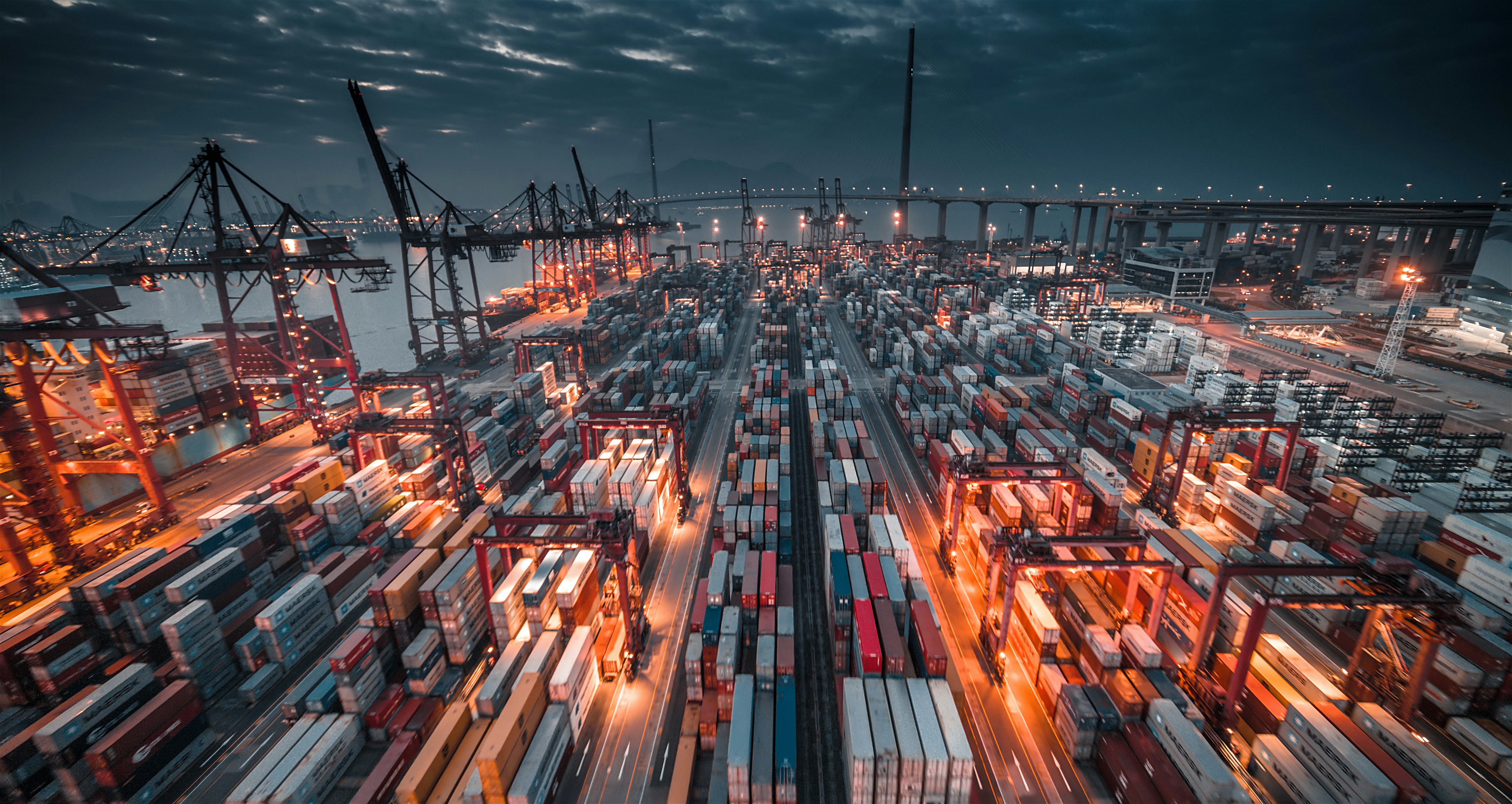
The landscape of supply chain management has been transformed by rapid technological advancements. From procurement to delivery, modern tools are streamlining operations and providing unprecedented visibility. This is especially beneficial for overseas small and medium-sized importers – including e-commerce sellers in consumer electronics and smart home sectors – who often engage in China sourcing to find cost-effective manufacturers. By leveraging technology, even smaller companies in Europe and the US can manage complex global supply chains with efficiency once reserved for corporate giants. In this article, we explore how key technologies are redefining supply chain management, and how these innovations empower importers to source from China more effectively in today’s global market.
Digital Platforms for Sourcing and Supplier Discovery
One of the first challenges in supply chain management is finding and vetting reliable suppliers. Technology has made this process significantly easier and more transparent. China sourcing platforms (like Alibaba, Global Sources, and others) allow importers to discover a wide range of potential China supplier options online, compare offerings, and even use AI-driven search tools. For example, Alibaba.com recently introduced an AI Sourcing Agent that acts as an interactive guide for SMEs, tapping into over a billion product listings and even auto-generating RFQs (Request for Quotes) to quickly connect businesses with suitable suppliers. These digital platforms reduce the time and cost involved in supplier scouting and negotiation.
Beyond finding suppliers, verifying their legitimacy and quality standards is crucial. Here too, technology plays a vital role. Importers can conduct China supplier verification remotely using online databases and third-party services. Remote factory audits via video calls and online research – sometimes called tele-investigation audits – help confirm a manufacturer’s licenses, certifications, and production capabilities without the need for immediate on-site visits. In practice, a third-party inspector can perform a virtual audit by checking business registrations and even touring the factory via live video. This tech-enabled verification gives overseas buyers peace of mind that a new supplier is genuine and capable, thereby preventing scams or costly quality issues early on. Not only does this save travel expenses, but it also accelerates decision-making when sourcing from afar.
AI and Data Analytics for Smarter Planning
Effective supply chain management requires anticipating demand and planning inventory – areas where artificial intelligence and data analytics have become game-changers. AI-driven forecasting tools analyze historical sales, market trends, and real-time signals to predict demand with far greater accuracy than traditional methods. This is particularly valuable in fast-moving industries like consumer electronics, where product lifecycles are short and demand can spike or shift quickly. By using AI to optimize production schedules and inventory, businesses avoid stockouts and overstocking. In fact, companies deploying AI-based demand forecasting have seen substantial improvements; for example, Walmart’s machine-learning models (assessing hundreds of variables) led to about a 30% reduction in stockouts. For a small importer or China sourcing agent working with overseas factories, these insights mean orders can be timed and scaled to meet consumer needs without incurring excess inventory or lost sales.
Analytics also enhance decision-making in other aspects of the supply chain. Predictive analytics can identify the best time to reorder components, the optimal shipping routes, or even flag early warning signs of supplier delays by analyzing patterns. Small and medium businesses are adopting these tools at an accelerating pace – the SME segment in digital supply chain solutions is growing at over 14% annually – because user-friendly, cloud-based software (often available as SaaS) has democratized advanced planning capabilities. In essence, even a five-person e-commerce operation in Europe can access the kind of sophisticated supply chain software that was once the domain of Fortune 500 companies. This leveling of the playing field allows smaller importers to compete by running lean, data-driven supply chains.
Enhancing Quality Control and Transparency
Quality control is a common concern when sourcing from China, especially for importers in electronics and smart home niches where product quality and safety standards are critical. Technology is significantly improving quality control China sourcing processes. For instance, inspection companies now use mobile apps and cloud platforms to conduct factory inspections and share real-time results. An inspector in Shenzhen can upload photos, videos, and reports from a factory floor, which the buyer in Europe can review immediately through an online dashboard. This instant visibility allows importers to catch any issues early – before products ship – and communicate directly with the supplier to resolve them. Furthermore, IoT (Internet of Things) devices are emerging as tools for quality assurance: sensors can monitor conditions like temperature or humidity for sensitive electronics during storage and transit, ensuring they remain within safe ranges.
Another aspect of transparency is traceability. Both consumers and regulators (especially in Europe) now demand to know the origin and compliance of products and components. Technologies like blockchain are being piloted to create tamper-proof records of a product’s journey from raw material to retail. This can help verify that components (like batteries or chips in a smart home device) meet all regulatory requirements – for example, compliance with EU traceability rules or U.S. laws against forced labor. Blockchain’s secure, distributed ledger means each step in the supply chain can be recorded and confirmed, making it easier to audit suppliers and prove ethical sourcing. While still an emerging solution, such transparency tech could soon become a standard part of dealing with Chinese suppliers for highly regulated goods. Even now, many importers rely on digital document management and supplier databases to ensure every shipment has the proper certifications and test reports attached before it leaves the factory.
In summary, technology not only helps detect and prevent quality issues but also builds trust. Whether it’s through remote audits that vet a new factory’s credentials or real-time quality data from the production line, importers have more control and insight into overseas manufacturing than ever before. This reduces the traditional risks of long-distance sourcing by adding layers of verification and accountability.
Smart Logistics and Real-Time Visibility
Once products are made and packed, the next challenge is moving them across the globe efficiently. Modern supply chains leverage technology to orchestrate shipping and logistics with high precision. IoT-enabled trackers and smart sensors provide live updates on the location and condition of shipments. For example, a pallet of consumer electronics can be fitted with GPS and environmental sensors to transmit its position, temperature, and even shock exposure throughout its journey. This real-time monitoring dramatically improves supply chain visibility – companies using IoT tracking report significant reductions in lost shipments and logistics bottlenecks, as well as up to 30% lower inventory waste due to better timing. For an importer, this means peace of mind and the ability to update customers or sales plans based on exact shipment statuses. If a delay occurs at a port or a route is disrupted, alerts can trigger contingency plans (like rerouting goods or adjusting inventory allocations) proactively.
Artificial intelligence also plays a role in logistics optimization. AI algorithms analyze traffic patterns, port data, and carrier performance to suggest optimal shipping routes and modes. They can dynamically adjust plans – for instance, redirecting a shipment from sea to air if a critical deadline is at risk, or optimizing delivery sequences for last-mile couriers in a smart home device delivery scenario. AI-enhanced route optimization saves time and fuel, cutting costs while ensuring on-time delivery.
Warehousing and fulfillment have likewise become smarter. Large e-commerce players and 3PL (third-party logistics) providers use robotics and automated systems in warehouses to speed up picking and packing, reduce errors, and handle surges in orders. Even if a small business outsources fulfillment, they benefit from these innovations through faster turnaround times and lower error rates. Additionally, cloud-based logistics management systems allow both the supplier in China and the buyer in Europe to collaborate on one platform – aligning production completion with pickup by freight forwarders, customs document preparation, and delivery scheduling in the destination country. Integrating China sourcing and logistics data in one place creates an end-to-end view of the supply chain, which is essential for timely decision-making. As a result, even across continents, all parties stay on the same page regarding where goods are and when they will arrive.
Empowering Small Importers in a Global Market
Perhaps the most profound impact of technology in supply chain management is how it empowers smaller companies and new market entrants. A decade or two ago, managing a global supply chain spanning China to Europe required extensive resources and often a physical presence in the supplier’s country. Today, a lean startup in Germany can coordinate with a factory in Shenzhen and a warehouse in Rotterdam almost entirely online. Communication tools (like instant messaging, video conferencing, and collaborative cloud documents) break down geographic barriers, allowing quick resolution of issues despite time zone differences. Design files for an OEM China sourcing project can be shared electronically, prototypes can be 3D-printed locally, and changes can be communicated in real time. This agility is crucial in consumer electronics, where being first to market or swiftly iterating on a product can be a competitive edge.
Technology also mitigates the traditional disadvantages small firms had in terms of negotiating power and information access. With online platforms providing market pricing data and China sourcing agent services available on demand, even companies without a dedicated procurement department can get expert help. Many sourcing agents today use advanced tools to compare multiple supplier quotes, coordinate inspections, and manage shipping, which they pass on as efficiencies to their clients. Importers can easily find these service providers and even check China sourcing agent reviews through websites and forums, selecting partners that are tech-savvy and reputable. Moreover, the cost structures are transparent – for instance, platforms and agents often have fixed fee models – so even those with modest budgets can afford professional sourcing assistance (China sourcing agent fees have become competitive due to online marketplaces for services). The net effect is that small and medium enterprises can confidently engage in global trade knowing they have the digital infrastructure and support to back them up.
From a regional perspective, technology helps European importers address specific needs such as regulatory compliance and sustainability. European Union regulations increasingly demand detailed supply chain data (for example, proof of compliance with environmental standards or absence of restricted materials). Digital tracking and databases make it practical for SMEs to gather and report this information, whereas manual processes would be overwhelming. Similarly, U.S. importers benefit from technology to ensure adherence to laws (like verifying that no forced labor was involved in their supply chain) and to manage tariffs or trade documentation electronically. In both cases, the ability to adapt quickly to changing rules or unexpected disruptions (like pandemic lockdowns or port closures) has been enhanced by digital tools that provide agility and alternatives – whether it’s quickly sourcing from a backup supplier found via an online platform or rebooking freight through a digital logistics portal.
Conclusion
Technology’s role in modern supply chain management cannot be overstated – it has become the backbone of efficient, resilient, and scalable operations. For companies engaged in sourcing from China – especially small and medium businesses dealing in consumer electronics and smart home products – embracing these technologies is no longer optional but necessary for competitive success. Digital innovation is turning supply chains into smart, responsive networks: AI predicts demand surges so you’re never caught without stock, IoT sensors keep you informed of your shipment’s journey in real time, and cloud platforms connect all stakeholders from factory to storefront. Businesses that leverage these tools gain a clear advantage in speed, cost control, and reliability. They can fulfill European customers’ expectations for quality and transparency while navigating global logistics challenges with greater ease.
In essence, the modern supply chain is as much about data and connectivity as it is about moving goods. Those importers and retailers who invest in technology – or partner with China sourcing service providers who do – are able to streamline their procurement and mitigate risks effectively. The result is a more resilient supply chain that can adapt to disruptions, comply with international regulations, and deliver products to market faster. As we move forward, technologies like AI, IoT, blockchain, and automation will continue to evolve, further closing the gap between large and small players. The companies that stay updated and integrate these innovations into their supply chain strategy will lead the way, turning what was once a complex logistical challenge into a well-orchestrated digital process. By recognizing the role of technology as a strategic enabler, modern businesses ensure that they not only source the best products from China or elsewhere, but also build a supply chain ready for the demands of tomorrow.
Sources:
Trax Technologies – Digital Supply Chain Market Growth and SME Adoption
MHI Solutions – Consumer Electronics Supply Chain Challenges and Regulations
AQI Service – Tele-Investigation Remote Supplier Audit Definition
Digital Commerce 360 – Alibaba’s AI Sourcing Agent for SMEs
Performix Blog – IoT Tracking and AI Forecasting Benefits