
I know the sinking feeling of silence. You call your factory contact in late February expecting an update, but the phone just rings. It is the annual "holiday hangover" that every importer fears.
Resuming production requires planning for workforce turnover, quality risks, and logistics backlogs. Sourcing from China post-holiday means managing a 2–4 week ramp-up period, verifying supplier solvency, and implementing strict third-party inspections to mitigate defects from new workers.
Let's look at how to navigate this chaotic period without losing money or your sanity.
How can I avoid production delays after Chinese New Year?
You might think production starts the day the holiday officially ends. In reality, that date is just a vague suggestion to most factory owners, not a hard rule.
To avoid delays, build a 6–8 week inventory buffer before the holiday and verify your factory's actual return date, which often extends a week past the public holiday. Delays occur because raw material sub-suppliers may open later than assembly plants.
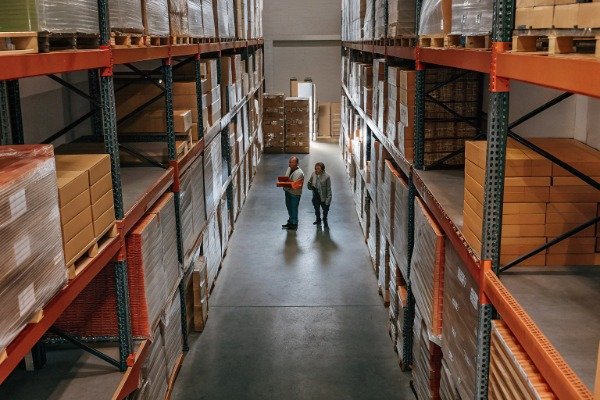
Understanding the "Real" Holiday Schedule
The official public holiday for Chinese New Year (CNY) in 2026 runs from February 15 to February 20. If you look at a standard calendar, that looks like just a one-week break. However, relying on this official date is a rookie mistake that burns many businesses. In my experience running Go Source, most factories stop production one to two weeks before the holiday begins. They do this to allow workers time to travel back to their rural hometowns, which can be thousands of miles away.
The delay does not end when the holiday ends. While the government might say businesses open on February 21, your factory might not be fully operational until early March. This is known as the "Extended Ramp-Up Period." It typically takes factories 2 to 4 weeks to normalize operations. They have to clear backlogs from before the break. If you assume production resumes at 100% capacity immediately, your supply chain will break. You must plan for this gap in your calendar.
The Hidden Bottleneck: Tier-2 Suppliers
Even if your assembly factory opens on time, they might not be able to make your product. This is a classic issue in China sourcing. Your main factory relies on sub-suppliers for packaging, raw materials, and components. These smaller Tier-2 suppliers often close earlier and open later than the big assembly plants.
For example, I once had a client whose electronics were ready, but the cardboard box supplier was still closed for another week. The finished product sat on the floor, collecting dust, just waiting for a box. You need to verify the schedule of the entire supply chain, not just the person you sign the contract with. You have to ask your supplier specifically about their material stock status before the holiday begins.
| Feature | Official Public Holiday | Actual Factory Reality |
|---|---|---|
| Duration | Approx. 7 Days | 3 to 4 Weeks |
| Shutdown | Starts Feb 15, 2026 | Starts early Feb 2026 |
| Restart | Feb 21, 2026 | Early to mid-March 2026 |
| Capacity | N/A | 50% capacity in first weeks |
What are the key steps for restarting production after the holiday?
Turning a factory back on isn't like flipping a light switch. Machines are cold, processes are rusty, and standards may have slipped during the break.
The critical steps involve auditing machine status for "cold start" issues and re-validating "Golden Samples." Production lines must be cleared of dust, and new workers need immediate training to prevent a spike in defect rates during the first batch.
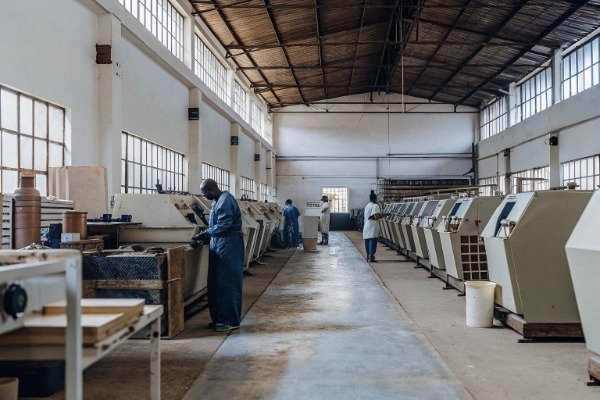
Dealing with "Cold" Machinery
When machinery sits idle for three or four weeks, bad things happen. Lubricants dry out, rust forms, and calibration settings drift. This is what we call a "cold start" failure. If a factory rushes to start the line without a proper maintenance protocol, the first run of products will likely be defective.
I have seen cases where injection molding machines produced warped plastic because they were not heated up slowly enough after the break. You must ask your supplier for their maintenance restart plan. Do not just assume they will do it. Ask them specifically how they plan to test the equipment before your material goes through it. A good factory will run scrap material through the machines first to recalibrate them, but a desperate factory might use your order to test the line.
The "Golden Sample" Problem
You rely on a "Golden Sample" or a master reference unit to check quality. During the pre-holiday rush, factories often do a massive cleanup. In that chaos, reference samples can get damaged, lost, or misplaced.
Before you authorize mass production, you must re-validate these standards. If the factory uses a damaged sample to train new workers, your entire order will be wrong. This is why Quality control China sourcing is so critical in March. You cannot rely on the factory's internal QC team right now because they are likely overwhelmed or understaffed.
You should hire a third-party inspector for the first batch. The risk of defects is highest right now. New workers do not know your product, and old machines are acting up. A strict inspection is your only safety net.
| Risk Area | Potential Issue | Prevention Step |
|---|---|---|
| Machinery | Calibration drift, rust, cold start failure | Request maintenance log before production |
| Samples | Lost or damaged "Golden Samples" | Re-certify reference units immediately |
| Environment | Dust accumulation, humidity damage | Check storage conditions of raw materials |
How can I ensure smooth supplier operations when they return from Chinese New Year?
The scariest part of this season isn't the delay. It is finding out your supplier went broke paying bonuses and didn't come back.
Ensure smooth operations by verifying financial solvency before sending new deposits, as cash flow strains are high post-holiday. Additionally, immediately revoke access for departed staff to protect intellectual property, as turnover creates data theft risks.
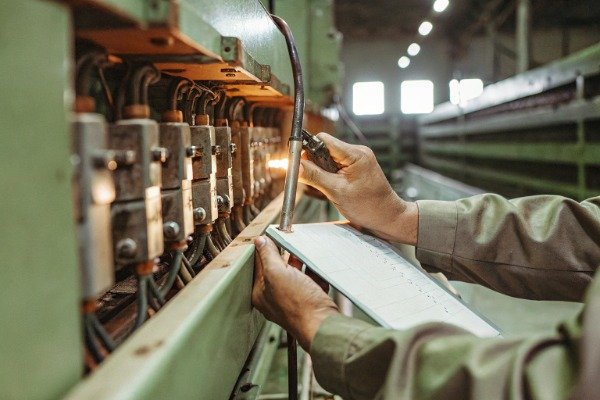
The Cash Flow Trap
In China, it is customary to pay workers annual bonuses right before the holiday. This drains the factory's cash reserves. At the same time, the factory has zero revenue for nearly a month during the shutdown. This creates a massive cash flow gap. Small factories are very vulnerable here.
If you send a large deposit in late February without checking, you are taking a risk. The factory might use your money to pay off old debts rather than buy your materials. Before you transfer any funds, call them. Video call them. Make sure the lights are on and people are working. You can read more about how we help clients avoid these financial risks on our About Us page. It is better to be safe than to lose your deposit to a bankrupt supplier.
Workforce Turnover and IP Risks
We often see a turnover rate of up to 33% after the holiday. Workers go home and decide simply not to come back to the city. This means your factory is hiring brand new people who have never made your product before.
This turnover brings another risk: Intellectual Property (IP) theft. When sales reps or engineers leave, they might take your designs or customer data with them to a competitor. You need to perform an IP audit immediately. Ask the factory owner to confirm that all former employees have been removed from email groups and server access. If you see a new email address pop up in your chain, pause everything and verify who you are talking to.
Verifying the Workforce
Since so many workers leave, the factory has to recruit heavily. This takes time. A factory might tell you they are "fully operational," but they are actually running with half the staff. This is why we often visit factories physically for our clients. We count the heads on the line. If they say they have 100 workers but we only see 20, we know your shipment will be late. Transparency is rare during this time, so verification is essential.
How do I prioritize production schedules post-holiday to meet deadlines?
Everyone wants their goods shipped first. If you don't fight for your spot, you will be stuck at the back of the line.
Prioritize schedules by booking freight space weeks in advance, as logistics congestion spikes immediately. Accept that lead times will extend, and pressure your China sourcing agent to monitor daily output until the factory clears its pre-holiday backlog.

The Logistics Traffic Jam
Once products start rolling off the line, they hit a wall. There is a massive backlog of finished goods that were sitting in warehouses over the holiday. Everyone tries to ship them at the exact same time.
Freight space becomes tight and expensive. It is a seller's market for logistics companies. You need to book your vessel or air freight space well in advance. Do not wait until the goods are ready to book the ship. If you wait, you might face a 2 or 3-week delay just waiting for a container. I always tell my clients to book their shipping slot the moment they have a rough production completion date, even if it is not 100% confirmed yet.
Managing Expectations and Pressure
You need to be the "squeaky wheel." Factories prioritize customers who are paying attention. If you are silent, they will move your order back to prioritize a client who is calling them every day.
However, you must balance pressure with reality. If you push too hard for speed, the factory will skip quality checks. This is a classic mistake. You want your goods fast, but you do not want a container full of defective units. Work with your supplier to lock in production slots based on your Purchase Order (PO) date. Remind them of your long-term value. If you are small, this is where a sourcing agent helps. We pool volume to get attention from the factory boss.
| Shipping Method | Post-CNY Status | Recommended Action |
|---|---|---|
| Ocean Freight | Severely Congested | Book 3-4 weeks in advance |
| Air Freight | Very Expensive | Use only for urgent stock |
| Express | Moderate Delays | Good for samples, costly for bulk |
Tracking Inventory Buffers
Since you know the restart is slow, your inventory planning should have started months ago. You should maintain a 30-40% safety stock buffer to get you through March and April. If you didn't do that this year, start planning it for next year. Major publications like the Journal of Commerce often publish data on how these seasonal peaks affect global shipping rates, which is worth monitoring to understand the macro trends.
Ultimately, your schedule relies on constant communication. Do not rely on email alone. Use WeChat or instant messaging to get real-time updates from the floor.
Final Thoughts
Surviving the post-holiday period comes down to preparation and verification. You cannot change the Chinese calendar, but you can protect your business by auditing machines, validating solvency, and strictly inspecting quality. If you need a team on the ground to manage this restart for you, contact us at Go Source.
Footnotes
1. Official source for Chinese government holiday announcements and regulations. [↩︎](#ref-1)
2. Academic authority on supply chain dynamics and resilience strategies. [↩︎](#ref-2)
3. Technical documentation from a major industrial machinery manufacturer. [↩︎](#ref-3)
4. General definition of this specific manufacturing quality term. [↩︎](#ref-4)
5. Major credit insurer providing data on business insolvency risks. [↩︎](#ref-5)
6. Authoritative international organization for IP rights and protection. [↩︎](#ref-6)
7. Major logistics carrier providing market updates on shipping capacity. [↩︎](#ref-7)
8. Industry standard body guidance on inventory management strategies. [↩︎](#ref-8)
9. The international standard for quality management systems. [↩︎](#ref-9)
10. Official statistics on Chinese migrant worker populations and travel trends. [↩︎](#ref-10)