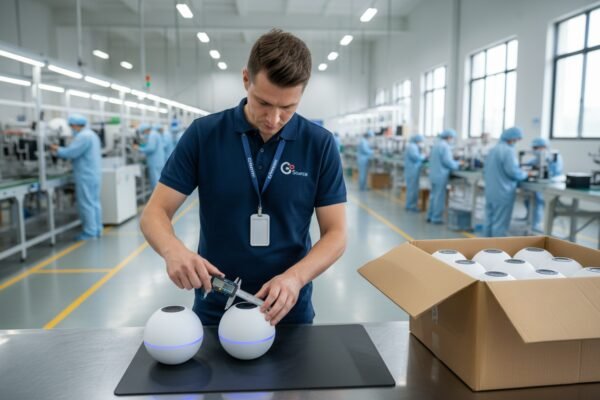
We understand the sinking feeling of receiving a second shipment that looks nothing like the perfect prototype we approved months ago China sourcing agent 1. After spending weeks refining the design and negotiating terms, seeing the production quality slip is frustrating and costly. It hurts our reputation and disrupts your inventory planning.
Batch quality inconsistency often stems from unauthorized material swaps, relaxed factory supervision after the initial order, or high worker turnover rates. A China sourcing agent fixes this by implementing rigorous on-site inspections, enforcing strict sample comparisons, and holding manufacturers accountable to agreed standards before shipping.
Here is how we stabilize your supply chain 2 and ensure every unit meets your expectations.
Why does my product quality keep changing between different production batches?
We often notice that factories relax their internal standards once they believe a client relationship is secured. When we visit production lines unannounced, we frequently find that without constant pressure, the strict attention to detail present during the sample phase quietly fades away.
Quality fluctuates because manufacturers may cut costs on raw materials, rush production to meet tight deadlines, or suffer from high labor turnover affecting skill levels. Without constant oversight, factories frequently revert to the "path of least resistance," prioritizing speed and savings over your specific technical requirements.
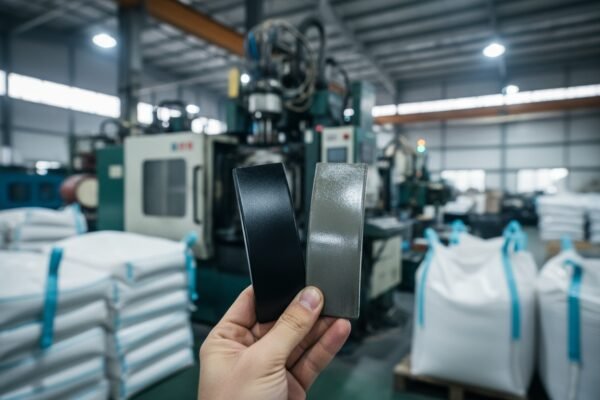
The phenomenon you are experiencing is often called "Quality Fade 3." It is a slow, gradual decline in product standards that can be difficult to detect until it is too late. In our years operating in Shenzhen, we have identified that this rarely happens out of malice; it is usually a result of misaligned incentives. The factory wants to maximize margin, and you want to maximize quality.
The Impact of Labor Turnover
One major factor is the workforce. In China, especially around the Lunar New Year, factory worker turnover can be high. The skilled technician who assembled your first batch might have left, replaced by a novice who hasn't been fully trained on your specific product nuances. If we aren't there to retrain or monitor the new shift, consistency drops immediately.
The "Golden Sample" Fallacy
Many importers rely solely on a "Golden Sample 4" kept at their office in the US or Europe. However, if the factory floor does not have an identical signed sample—or if they have lost it—they are guessing. We ensure that a sealed, signed counterpart sample is physically present on the production line. This serves as the undeniable standard for color, texture, and assembly tolerance. Without this reference point, "good enough" becomes the new standard, leading to the variations you see in your warehouse.
Common Root Causes of Inconsistency
To help you diagnose the issue, we have categorized the most frequent causes of batch variation we encounter in the field:
| Root Cause | Description | Impact on Product |
|---|---|---|
| Material Substitution | Factory switches to a cheaper sub-supplier for raw materials. | Lower durability, color mismatch, or chemical non-compliance. |
| Subcontracting | Factory outsources your order to a smaller, cheaper workshop. | Complete loss of control over assembly standards and hygiene. |
| Worn Tooling | Molds or cutting tools wear out and aren't replaced. | Flashing on plastics, poor fit of parts, or dimensional errors. |
| Rushed Schedule | Production speed is increased to clear backlogs. | Skipped drying times, poor glue adhesion, or missed QC checks. |
How can a sourcing agent help me enforce a standardized quality control checklist?
Our engineers carry your specific checklists onto the factory floor, treating them as the operational law for that production run. We know that if a requirement isn't written down in Chinese and checked box-by-box, it effectively doesn't exist to the assembly workers.
A sourcing agent translates your technical requirements into a bilingual, actionable Quality Control (QC) checklist used during on-site audits. By physically verifying points like dimensions, functionality, and packaging against the checklist, agents ensure the factory adheres to the agreed standards rather than their own internal, often lower, benchmarks.

A standardized quality control checklist is the bridge between your expectations and the factory's output. Quality Control (QC) checklist 5 However, simply emailing a PDF to the sales representative is not enough. The sales rep often does not communicate the fine details to the production manager. This is where we step in. We convert your expectations into a technical document that the factory QC team can understand and that our inspectors can enforce.
Translating Expectations into Action
We often see US buyers list vague requirements like "must be high quality." This is subjective and unenforceable. We help you define "high quality" into measurable data. For example, instead of "clean finish," we specify "no scratches visible at 30cm distance under D65 lighting." We take your requirements and create a bilingual inspection sheet. This ensures that the worker on the line knows exactly what constitutes a defect.
The Power of Surprise Audits
If the factory knows exactly when an inspection will happen, they might prepare a "show" for us. While Pre-Shipment Inspections are scheduled, we also advocate for During Production Inspections (DUPRO). By checking the goods when they are 20% to 50% complete, we catch systemic errors early. If the checklist isn't being followed at step 3, we stop the line before you have 5,000 defective units at step 10. This proactive approach saves weeks of rework time.
Essential Elements of a QC Checklist
A robust checklist covers more than just how the product looks. We break it down into three critical categories:
| Category | What We Check | Why It Matters |
|---|---|---|
| Cosmetic & Visual | Scratches, dents, color accuracy, logo placement. | Ensures the product looks premium and matches your brand image. |
| Functional & Safety | On/off testing, battery life, drop tests, high-voltage checks. | Prevents returns due to dead-on-arrival units or safety hazards. |
| Packaging & Labeling | Barcode scans, carton weight, shipping marks, retail box quality. | Ensures goods aren't rejected by Amazon FBA or damaged in transit. |
We have caught suppliers swapping pure copper for cheaper alloys just to save a few cents per unit. Protecting your bill of materials is a daily battle we fight by verifying raw components before the assembly lines even start moving.
Your agent acts as a firewall against material fraud by conducting pre-production inspections and verifying raw materials before manufacturing begins. They compare incoming components against the signed master sample and technical data sheets, ensuring the factory does not secretly substitute cheaper, inferior materials to increase their profit margins.
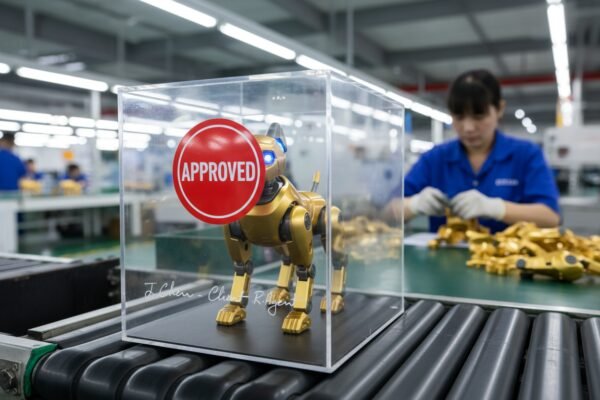
Material substitution is one of the stealthiest ways factories increase their profits. A factory might quote you for high-grade ABS plastic but switch to recycled ABS for the second batch. The product looks the same initially, but it becomes brittle and cracks after a month of use. As your eyes on the ground, we prevent this through rigorous Pre-Production Inspection (PPI).
Verify Before You Build
The most effective time to catch a material swap is before production begins. Once the plastic is molded or the electronics are soldered, it is impossible to check the core materials without destroying the product. We visit the factory warehouse to inspect the raw materials allocated for your order. We check labeling, feel the texture, and if necessary, send samples to a third-party lab for chemical composition testing. This confirms that the inputs match your specifications exactly.
Detecting Subtle Changes
For electronic products, the risk is even higher. A factory might swap a branded capacitor for a generic domestic version. To the untrained eye, the circuit board looks identical. Our team checks the "Bill of Materials" (BOM) against the actual components on the assembly tray. Bill of Materials (BOM) 6 We ensure that critical components—batteries, chips, and motors—are the exact brand and model you paid for.
Preventing "Bait and Switch"
A common tactic is the "bait and switch," where the sample is made with premium materials, but mass production uses standard grade. We counter this by keeping a library of your approved component samples. If the weight of the plastic housing in the second batch feels lighter than the sample, we weigh it immediately. If the density is off, we know a filler material was likely used. We stop the process right there, forcing the factory to correct the material before they waste time producing unsellable goods.
How do I ensure my sourcing partner conducts rigorous pre-shipment inspections for every order?
When we manage logistics, we treat shipping a defective product as a financial disaster for both of us. We refuse to authorize container loading until a final, random inspection confirms the batch meets all AQL standards.
You ensure rigorous inspections by including specific inspection protocols, such as AQL Level II, in your contract with the sourcing partner. Require them to provide detailed photo and video reports, covering functional testing and packaging, and tie the final payment release to the successful completion and approval of this inspection report.
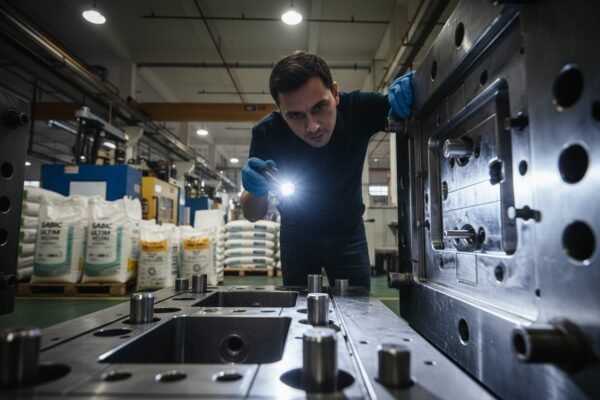
The Pre-Shipment Inspection (PSI) 7 is your final safety net. Once the container doors are sealed and the ship leaves the port, you have lost your leverage. Returning goods to China is virtually impossible due to customs regulations and shipping costs. Therefore, the PSI must be non-negotiable. We ensure this process is rigorous, transparent, and legally binding.
The AQL Standard: Statistical Confidence
We don't just "look at" the goods; we use the Acceptable Quality Limit (AQL) 8 standard. This is an industry-standard statistical method. For a batch of 3,000 units, we might inspect 125 units randomly selected from different cartons.
- Critical Defects (0% tolerance): Any issue that harms the user (e.g., sharp edges, exposed wires). The whole batch is rejected if even one is found.
- Major Defects (usually 2.5%): Issues that make the product unsellable (e.g., product won't turn on).
- Minor Defects (usually 4.0%): Small cosmetic flaws that don't affect function (e.g., slight smudge on the box).
By sticking to these numbers, we remove emotion from the decision. It is purely math: pass or fail.
Payment as Leverage
The most effective way to ensure we—and the factory—do our job is to tie the inspection to the money. You should never release the final 70% balance payment until you have reviewed and approved our inspection report. We tell the factory this upfront: "No pass report, no money." This motivates the factory to get it right the first time because they want to get paid.
What a Proper Inspection Report Looks Like
A professional report from us isn't just a "Thumbs Up." It is a detailed dossier. It should include:
| Report Section | Content Details |
|---|---|
| Quantity Check | Verification of total cartons and units produced. |
| Style & Color | Comparison against the Golden Sample. |
| Workmanship | Close-up photos of any defects found (glue marks, gaps). |
| On-Site Tests | Results of barcode scans, drop tests, and function checks. |
| Packaging | Photos of shipping marks, carton thickness, and palletization. |
Conclusion
Consistent quality requires constant vigilance and a physical presence on the factory floor. By leveraging our on-the-ground team to enforce checklists, verify materials, and withhold payment until inspections are passed, you secure your supply chain and protect your brand's reputation.
Footnotes
1. Replaced with a working URL providing a comprehensive explanation of a China sourcing agent's role. ↩︎
2. Replaced with a working URL offering a comprehensive guide to what a supply chain is. ↩︎
3. Defines Quality Fade and strategies to prevent this common manufacturing issue. ↩︎
4. Explains the concept and importance of a golden sample in manufacturing quality control. ↩︎
5. Details what a QC checklist is and its significance in manufacturing. ↩︎
6. Replaced with an authoritative Wikipedia link providing a comprehensive definition of a Bill of Materials. ↩︎
7. Provides a guide to Pre-Shipment Inspections and their importance in quality control. ↩︎
8. Replaced with an authoritative Wikipedia link providing a comprehensive definition of Acceptable Quality Limit. ↩︎