When I first started sourcing from China, I constantly wondered—am I really talking to the factory? Or is this just another smooth-talking middleman in disguise?
To identify a real manufacturer instead of a trading company, look for product focus, production evidence, and technical depth. Genuine factories specialize in narrow categories, welcome inspections, and answer detailed process questions clearly.
You’ve probably encountered suppliers who claim they own factories but dodge technical questions or hesitate when asked for a video tour. This article will show you practical steps I use as a China sourcing agent to verify a manufacturer’s identity. Keep reading and you’ll be able to spot the difference with confidence.
What signs help me spot a trading company instead of a factory?
When I received product catalogs that offered everything from yoga mats to Bluetooth speakers, I knew something was off. It looked more like a supermarket than a factory.
Trading companies usually sell a wide variety of unrelated products, lack technical knowledge, and avoid factory visits. In contrast, real manufacturers focus on a niche, own production assets, and give specific answers about process and capacity.
Product Range Tells the Truth
A genuine Chinese supplier rarely claims to produce everything. Real factories stick to a narrow, technical product line—like hair clippers or silicone bakeware. If a supplier’s catalog includes umbrellas, headphones, and pet food bowls, they’re likely sourcing from different manufacturers and reselling.
Look at Their Communication
Ask them technical questions about materials, process tolerances, and common defects. A real manufacturer can answer immediately. Middlemen often say “I’ll check with our engineer” and come back hours later. That delay? It means they’re not the producer.
Check Online Footprints
Their Alibaba or website listings often reveal the truth. If you see mismatched items across categories or generic descriptions, they’re likely a trading company. Pay attention to product photography too—reused or inconsistent photos can signal that they don’t control production.
How do I verify factory ownership and facilities?
Once, a supplier told me their "factory" was just 10 minutes from their office. I offered to visit—and suddenly they stopped replying.
Ask for the Chinese business license and verify if the company is registered as a manufacturer with an industrial address. Then, use public records and tools like Tianyancha to confirm factory ownership and facility legitimacy.
Use China’s National Enterprise Credit System
Start by requesting their 营业执照 (business license). Then visit www.gsxt.gov.cn and input the company’s Chinese name.
Look for:
- Business scope including words like “manufacturing,” “加工,” or “production”
- An address located in an industrial area
- Registered capital (larger amounts suggest real operations)
If the business scope includes only “trading,” “sales,” or “import/export,” that’s a red flag.
Use Third-Party Tools for Deeper Checks
I also check Tianyancha or Qichacha to see:
- Whether the legal representative owns any real factory
- If the company shares ownership with a production entity
- Historical changes in registration that indicate a switch from trading to manufacturing
This works especially well when the supplier claims to be “a branch of a bigger factory.”
Follow the Money Trail
Request a sample invoice or their bank account information. The payee name should match the licensed company name exactly. If it doesn’t, or the name belongs to another firm, you may be dealing with a reseller or shell company.
Can I use supplier communication to tell if they’re the actual manufacturer?
Sometimes, I just talk to them. And if I listen carefully, their responses tell me everything I need to know.
Manufacturers offer confident, direct answers about production, timelines, and customization. Middlemen hesitate, over-promise, or forward messages without real understanding. Sharp communication differences are easy to detect.
Technical Depth Is Key
Ask about:
- What materials they recommend and why
- How long a molding process takes
- What certifications they have, and who audits them
If they answer quickly and offer context (“we use 304 stainless steel because…”), that’s a great sign. If they reply generically or vaguely, chances are they’re asking someone else first.
Check Consistency
In your email or chat, test for consistency. Ask one person about the production process, then later ask another employee. If it’s a real China sourcing company or manufacturer, their answers should align.
Push for Real Details
Request live video calls, real-time photos of production lines, or a walk-through of their warehouse. Trading companies often say their “factory is under maintenance” or “not available today.” That’s usually just a cover.
How do I confirm production capabilities during a site visit?
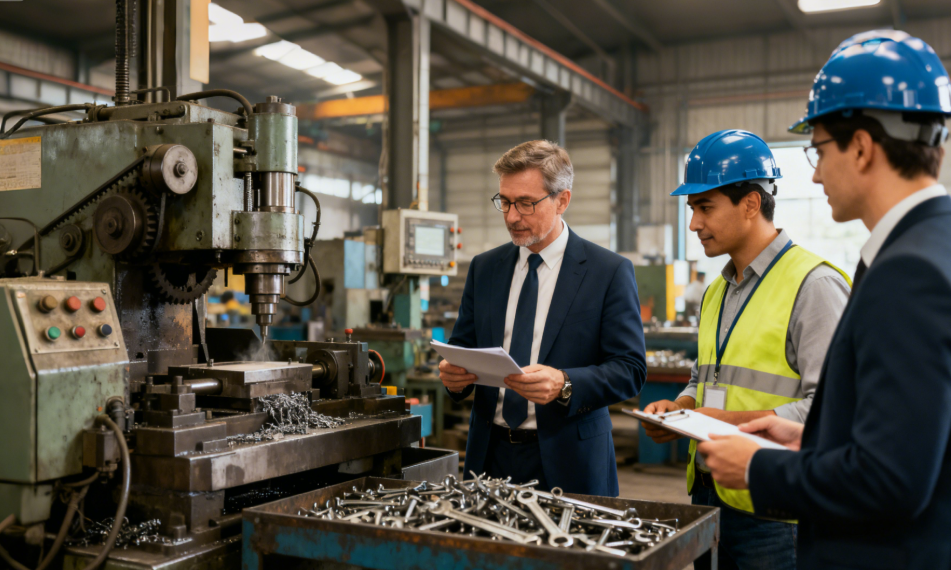
When I step onto a production floor, I look—and smell—for signs of real activity. Machines hum, workers move fast, and you can feel the rhythm of output.
On-site visits let you verify raw materials, real-time production, and quality control practices. Watch for active production lines, ask about batch records, and observe space-to-capacity alignment.
Tour with Eyes Open
A clean, organized, and safe workspace is not just for show. It reflects discipline. I always ask to see:
- Raw materials in storage
- Machines in operation (not just idle)
- Finished goods ready for inspection
If the facility feels like a showroom or has too many idle machines, it might not be a real factory.
Talk to the Floor Team
Don't just talk to sales. Ask to speak with:
- Workshop managers
- QC personnel
- Engineers or operators
Ask basic but specific questions:
- What’s your daily output?
- What happens when defects appear?
- What’s the lead time for a 10K unit run?
Their responses will reveal the truth. A real factory team knows their operations inside out.
Match Capacity with Claims
If a factory claims it can produce 1 million units a month, check:
- How many machines they have
- How many shifts they run
- Size of the production floor
When numbers don’t add up, it usually means they’re outsourcing.
Finding a real manufacturer in China is hard—but not impossible. With the right checks and smart questions, you’ll separate the factories from the middlemen and build stronger supply chains. Let's go sourcing in China!