
Every week, our team receives calls from frustrated US importers UL safety testing 1. They hired a China sourcing agent who promised everything but delivered headaches. Wrong certifications. Customs delays. Products rejected by Amazon FBA. The problem? Their agent had zero US market experience.
To determine if a China sourcing agent has US market experience, verify their knowledge of US-specific compliance standards like UL and FDA, ask for references from current US clients, test their understanding of Section 301 tariffs, and conduct a live phone call to assess their English fluency and communication style.
Let me walk you through the exact methods we use when evaluating sourcing partners FCC requirements 2. These techniques have saved our clients thousands of dollars and countless sleepless nights.
How can I verify if my sourcing agent understands US-specific product standards like UL or FCC?
When we ship electronic products to American buyers, compliance isn't optional FDA regulations 3. One wrong label or missing certification can mean your entire shipment gets seized at the port. The stakes are high, and your sourcing agent must understand this reality CPSC standards 4.
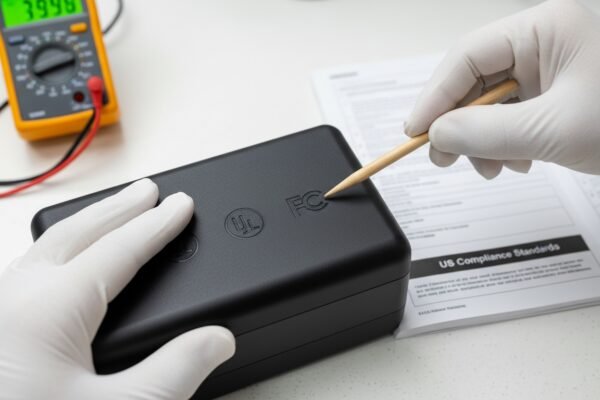
Ask your sourcing agent to explain specific US certifications relevant to your product category. A knowledgeable agent will describe UL safety testing for electronics, FCC requirements for wireless devices, FDA regulations for food-contact items, and CPSC standards for children's products without hesitation.
Start with Direct Technical Questions
The fastest way to test knowledge is through specific questions duty drawback programs 5. Don't ask vague questions like "Do you know US standards?" Instead, get granular. Ask them to explain the difference between UL listing and UL recognition. Request details about FCC Part 15 requirements for your product type.
A truly experienced agent will answer confidently. They might even correct you if you state something wrong. Red flags include vague responses, promises to "look it up later," or deflecting to factory contacts.
The Tricky Question Method
Here's a personal insight that works well. Ask about FDA compliance for products that don't actually require FDA approval. For example, ask about FDA requirements for basic clothing items. An inexperienced agent might agree that FDA approval is needed. An experienced agent will correct you and explain that FDA primarily covers food, drugs, cosmetics, and medical devices.
In the AI era, anyone can quickly search for answers. So the key is to have a live conversation. Real-time phone calls reveal true expertise. Agents with genuine US market experience can hold a verbal conversation in English. They don't need hours to craft written responses.
Key US Certifications Your Agent Should Know
| Product Category | Required US Certifications | What Agent Should Explain |
|---|---|---|
| Electronics | UL, FCC, ETL | Testing lab selection, timeline, cost range |
| Children's Products | CPSIA, ASTM F963 | Lead testing, tracking labels, age grading |
| Food Contact Items | FDA Compliance, Prop 65 | Material restrictions, California requirements |
| Wireless Devices | FCC Part 15, SAR Testing | Intentional vs unintentional radiators |
| Cosmetics | FDA Registration, State Laws | Ingredient restrictions, labeling rules |
Request Documentation Examples
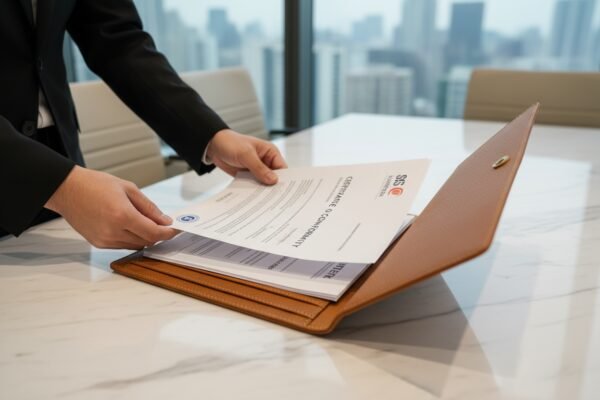
Ask your agent to show sample compliance documents they've handled before. Review certificates of conformity they've obtained for other US clients. Check if they understand the difference between self-declaration and third-party testing requirements.
A good agent will also know which testing labs are accredited for US standards. They should mention names like Intertek, SGS, Bureau Veritas, or TUV. They should understand timelines and typical costs for different certifications.
What signs should I look for to ensure they can handle US customs and Section 301 tariff issues?
Our logistics team deals with US customs brokers daily. We've seen shipments stuck for weeks because an agent used the wrong HTS code. We've watched clients pay thousands in unexpected duties because nobody calculated Section 301 tariffs 6 correctly.
Signs of US customs expertise include accurate HTS code knowledge, understanding of Section 301 tariff lists, familiarity with duty drawback programs, awareness of bonded warehouse options, and established relationships with US customs brokers. Ask for specific examples of how they've navigated tariff challenges for other US clients.

Test Their Tariff Knowledge
Section 301 tariffs have changed the game for US-China trade. Currently, many Chinese goods face additional tariffs of 7.5% to 25% on top of regular duties. Some categories face even higher rates in 2025.
Ask your potential agent these questions:
- What Section 301 list does my product fall under?
- What's the total duty rate including regular tariffs and Section 301?
- Are there any exclusions that might apply to my products?
- What documentation would help reduce my duty exposure?
Understanding HTS Classification
HTS codes 7 determine your duty rates. A single digit difference can mean paying 0% or 25%. Your sourcing agent should know this.
| HTS Code Scenario | Potential Impact | Agent's Role |
|---|---|---|
| Correct classification | Accurate duty calculation | Verify codes before shipping |
| Wrong classification | Overpayment or penalties | Catch errors early |
| Multiple possible codes | Opportunity for savings | Research best legal option |
| Changed classifications | New duty rates | Stay updated on changes |
Evaluate Their Customs Broker Network
An agent with US experience maintains relationships with American customs brokers. They should be able to recommend brokers they've worked with successfully. They should understand the ISF (Importer Security Filing) requirements and timing.
Ask about their experience with:
- Entry bond requirements
- FDA prior notice for food items
- CPSC filings for children's products
- Lacey Act declarations for wood products
Proactive Tariff Strategy
The best agents don't just react to tariffs. They help you plan around them. They might suggest:
- Alternative sourcing locations in Southeast Asia for certain items
- Product modifications that change HTS classification legally
- First Sale valuation methods to reduce dutiable value
- Foreign Trade Zone strategies for certain importers
An agent who only talks about price and never mentions tariff implications probably lacks US market depth.
Can I request references from other US-based brand owners they currently work with?
When we started our sourcing agency, we offered references immediately. It built trust faster than any marketing. Today, we still believe references separate legitimate agents from those making empty promises.
Yes, you should absolutely request references from US-based clients, and reputable agents will provide them. Ask for contacts at companies similar to yours in size and product type. Speak directly with these references about communication quality, problem resolution, compliance handling, and overall satisfaction with the agent's US market knowledge.
What Makes a Good Reference?
Not all references carry equal weight. A reference from a large corporation importing containers monthly differs from a startup buying samples. Match the reference to your situation.
| Reference Type | Value Level | Questions to Ask |
|---|---|---|
| Same industry, similar size | High | Product-specific challenges, timeline accuracy |
| Same industry, different size | Medium | Quality of compliance guidance, responsiveness |
| Different industry, similar size | Medium | Communication style, problem handling |
| Vague or unverifiable | Low | Request alternative references |
Questions to Ask References
When you connect with references, dig deeper than surface satisfaction. Ask specific questions:
- How does the agent handle unexpected problems?
- Have you experienced any US customs or compliance issues?
- Does the agent understand Amazon FBA requirements 8?
- How responsive are they during your US business hours?
- Would you recommend them for US-bound shipments specifically?
Red Flags in References
Be cautious if:
- The agent refuses to provide any references
- All references are from non-US markets
- References can't be verified independently
- The agent provides testimonials but no direct contacts
- References seem scripted or overly positive without specifics
Verify Beyond What's Given
Don't stop at provided references. Search for the agent's company name online with terms like "review," "complaint," or "experience." Check LinkedIn for connections who might have worked with them. Look for case studies on their website featuring US clients.
Some agents claim US experience but only have references from European or Asian markets. This doesn't mean they're bad agents. It means their US expertise remains unproven.
How do I test if their communication style will meet my needs as a busy US entrepreneur?
Every day, our team communicates across time zones. We know that slow responses kill deals. We understand that unclear emails cause expensive mistakes. Communication style can make or break your sourcing relationship.
Test communication by conducting a live phone or video call during your normal business hours. Evaluate their English fluency, response speed, clarity of explanations, and proactive problem-solving approach. An agent with genuine US market experience will communicate verbally in English, not just through typed messages that could be translated.

The Phone Call Test
This is perhaps the most important advice I can share. An agent with real US market experience cannot be someone who only types and never speaks English. Call them.
During the call, assess:
- Do they understand your questions without excessive repetition?
- Can they explain complex ideas in simple terms?
- Do they ask clarifying questions to avoid misunderstandings?
- How do they handle hypothetical problem scenarios?
Response Time Evaluation
Track how quickly they respond during your business hours. US-based importers need agents who work flexible schedules or have team members covering American time zones.
| Response Scenario | Acceptable for US Business | Red Flag |
|---|---|---|
| Urgent issue response | Within 4 hours | More than 24 hours |
| Standard question | Within 12 hours | More than 48 hours |
| Quote request | Within 24-48 hours | More than 5 days |
| Weekend emergency | Some coverage available | Complete silence |
Communication Preferences
Different communication styles work for different people. Clarify preferences early:
- Do you prefer WhatsApp, email, or WeChat?
- How often do you expect progress updates?
- Who is your dedicated point of contact?
- What happens if that person is unavailable?
Understanding Your Business Culture
Beyond language, cultural understanding matters. American business culture values:
- Direct communication without excessive politeness
- Clear deadlines and accountability
- Honest reporting of problems early
- Data-driven decision making
An agent accustomed to US clients will understand these expectations. They won't hide problems until they become crises. They won't give vague timelines like "soon" or "maybe next week."
Practical Communication Test
Before committing, run a small test project. Ask the agent to source quotes for a specific product. Observe how they:
- Clarify your requirements
- Present information clearly
- Handle your follow-up questions
- Meet agreed deadlines
This test costs little but reveals much about working with them long-term.
Conclusion
Finding a China sourcing agent with genuine US market experience requires verification, not blind trust. Test their compliance knowledge, tariff expertise, and communication skills through direct conversations and reference checks.
Footnotes
- Explains what a UL standard is and its importance for product safety. ↩︎
- Official FCC information on requirements for wireless devices and RF exposure limits. ↩︎
- Official FDA guidance on regulations for food packaging and food contact substances. ↩︎
- Official CPSC information on safety standards and requirements for children's products. ↩︎
- Details eligibility and process for reclaiming import duties through drawback programs. ↩︎
- Replaced with a comprehensive and authoritative USTR.gov page on Section 301 investigations. ↩︎
- Replaced with the official U.S. International Trade Commission (USITC) website for the Harmonized Tariff Schedule, the most authoritative source for HTS codes. Anchor text updated for clarity. ↩︎
- Official Amazon Seller Central policies and requirements for Fulfillment by Amazon (FBA). ↩︎