Are you struggling to get competitive pricing from your suppliers?
Are you struggling to get competitive pricing from your suppliers? Understanding how a professional China sourcing agent negotiates better rates is the key to unlocking higher profit margins. By moving beyond simple price-cutting and focusing on data-backed cost models and volume leverage, you can secure the best possible deal. In this guide, we reveal the exact tactics used to lower per-unit costs while maintaining uncompromising quality.

You are paying too much for your products from China. I know it. We face this challenge daily, but our system removes the guesswork, securing the best deal for you.
We negotiate better rates in China by first establishing strong price benchmarks and leveraging our local position. We structure deals where the supplier sees long-term value, trading stability, payment speed, and volume for better pricing and favorable terms for our clients.
Securing favorable pricing from Chinese manufacturers requires a strategic, multi-faceted approach that goes beyond simply asking for a lower number. It involves preparation, market knowledge, relationship building, and careful contract structuring. The following sections detail the core strategies used to achieve significant cost savings without compromising on quality or production terms.
What tactics do I use to reduce per-unit costs?
Are you worried that a supplier's quote is inflated? I always start by knowing their cost floor. This prevents blind negotiation and guarantees maximum, yet reasonable, savings.
To reduce per-unit costs, we utilize in-depth cost analysis, evaluating factors like raw materials, labor, and market data to determine a realistic target price. We also use tiered quotes to identify the supplier's volume cost curve and strategically negotiate discounts on our client's behalf.
Reducing the per-unit cost of a product is the most direct way to increase a client's margin. This process begins long before the first price discussion. Our primary tactic is preparation and knowledge acquisition, which forms the basis of all negotiation efforts.
Understand the Supplier’s Cost Structure
Effective negotiation starts with a deep understanding of what the product should cost to produce. This knowledge moves the discussion from a mere request for discounts to a data-backed proposal. We conduct extensive research into the current market prices for raw materials, such as plastics, metals, or electronic components. Labor costs are also analyzed based on the supplier's location and production complexity. By compiling these factors, we develop a realistic target price, also known as the "should-cost" model. This model provides an essential baseline. If a supplier's quote is significantly above this benchmark, we can pinpoint the specific areas, such as overhead or profit margin, that need to be addressed during the negotiation. This is not about pushing for an unsustainable price; it is about ensuring fairness and transparency. Knowing the numbers first, often through data gathered from trade shows, Alibaba ranges, or even competitor quotes, sets the stage for a successful outcome.
Leverage Tiered Quoting and Volume
A crucial tactic involves requesting tiered quotes. We always ask suppliers for pricing at multiple volume levels—for example, 500 pieces, 1,000 pieces, and 2,000 pieces. This strategy reveals the supplier's true cost curve. The goal is to see exactly where their internal production costs drop off, which is usually related to efficiencies gained from mass production setups, material purchasing power, or fixed tooling costs being amortized over a larger batch. By analyzing these tiers, we can understand the potential savings at higher volumes and use that insight to propose a better pricing structure, even if the client’s current order falls slightly below a specific tier. For instance, we might propose a commitment for repeat orders to justify a discounted tier price on the current shipment. This demonstrates our commitment and aligns with the supplier's desire for consistent, profitable business. Furthermore, our experience as a China Sourcing Agent allows us to effectively compare different supplier quotes across the industry to maintain competitive pressure.
Negotiate Hidden Levers
If the supplier is resistant to lowering the unit price, we shift the negotiation focus to other cost-reducing factors. The total landed cost for the client includes more than just the product price. We may negotiate for free or upgraded packaging, which is a value-add for the client. We could also request small accessories, like cables or user manuals, to be included at no extra charge. Better payment terms, such as a smaller upfront deposit or longer time to pay the balance, improve the client’s cash flow and reduce their financial risk. Additionally, negotiating slightly shorter lead times can reduce inventory holding costs for the client. These elements collectively contribute to a lower overall financial burden and represent a significant win for the client, even without a direct price reduction.
Do I bundle volume orders across clients to gain leverage?
Individual orders often lack negotiation weight. I recognized this limitation early on. By combining smaller orders, we unlock true volume leverage for every client.
We proactively explore bundling smaller, individual orders from different clients who require similar products or production processes. This aggregation is key. By presenting the supplier with a larger, combined volume, we effectively use collective buying power to secure preferential rates, better terms, and higher manufacturing priority for all clients involved.
The concept of bundling orders is a sophisticated strategy used by professional procurement agents to maximize leverage. Many small to medium-sized businesses struggle to meet the Minimum Order Quantity (MOQ) requirements or achieve the most favorable price tiers on their own. Our role is to overcome this limitation by acting as a central purchasing office that consolidates demand.
Strategic Bundling for Collective Power
Bundling is not simply adding two random orders together. It involves a strategic assessment of our client base and the supply chain. We identify clients who require similar components, production technologies, or who are using the same core factory. For example, if multiple clients need custom plastic injection molding for different end products, we combine their required volumes for the plastic raw material purchase or the time slot on the factory’s molding machines. This is presented to the factory as a single, large commitment, which instantly elevates the negotiation status from a small buyer to a significant partner. The supplier gains a larger, more stable production run, reducing their administrative and setup costs, which they can then pass on as a discount to the combined order.
Trading Value for Concessions
When we bundle orders, we trade what the factories value most for concessions on price and terms. Factories prioritize stability and efficiency. A bundled order often translates into a longer, uninterrupted production schedule, which is more cost-efficient for the manufacturer than several smaller, stop-start runs. In return for this operational efficiency, we negotiate for the combined order to receive the pricing of the highest volume tier. The benefit is distributed back to each client, ensuring that even a small buyer receives a price that was previously only accessible to large importers. This strategy is also useful for small accessories or packaging materials that might be common across multiple product lines.
Maintaining Transparency and Control
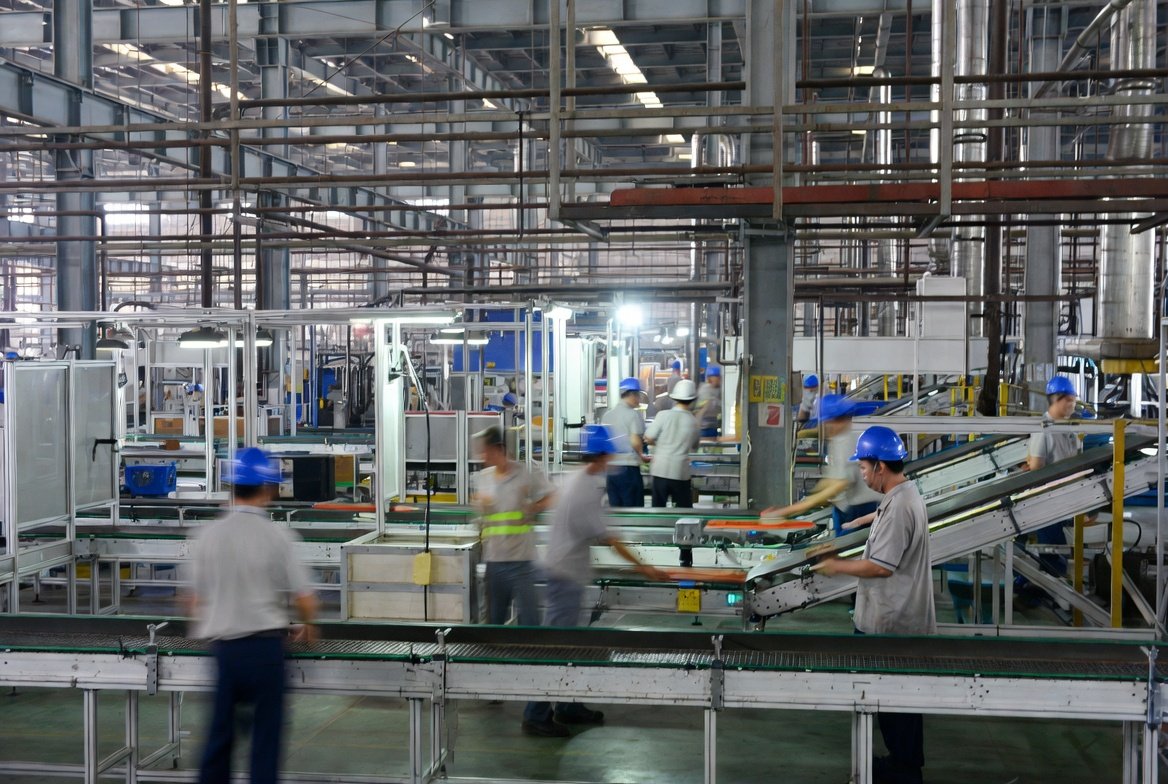
While bundling offers substantial financial advantages, it requires strict internal project management to ensure clarity for all parties. The pricing structure for each client within the bundle must be transparently broken down to reflect the savings they are receiving. Crucially, combining orders does not mean compromising on individual quality requirements. The purchase orders and quality specifications for each client remain separate and distinct. Our China factory sourcing service ensures that quality control inspections are carried out on each client's batch according to their unique standards. This meticulous approach maintains client trust and ensures that the pursuit of lower pricing through volume does not lead to a reduction in the required product quality or a mixing of specifications.

How do I maintain quality while lowering pricing?
Lower price should never mean lower quality. I find that compromise unacceptable. Our method proves that we can achieve the best of both worlds through process negotiation, not material cuts.
Maintaining quality while negotiating lower prices is achieved by focusing on process optimization and term negotiation, not cheaper materials. We utilize a target-price approach that challenges manufacturing efficiency, while simultaneously locking in strict quality control China sourcing and inspection standards via detailed written contracts.
The common fear is that a lower negotiated price automatically implies a cut in quality. However, a skilled sourcing agent understands that a factory’s costs are comprised of more than just raw materials. Significant savings can be realized by challenging and optimizing the production process, logistics, and overhead, all without touching the product's core quality specifications.
Challenge Production Inefficiency
Manufacturers often build in buffers for potential scrap, rework, or administrative inefficiency. Our negotiation strategy focuses on identifying and reducing these non-value-added costs. For example, we may review the factory’s proposed material utilization to identify potential waste. We also investigate the lead time; a factory with excessively long lead times may be inefficiently scheduling labor or machine time, leading to higher operational costs that are factored into the price. By collaborating with the factory to streamline the production flow, we offer suggestions that benefit both sides: the factory reduces waste and improves throughput, and the client benefits from the resulting price reduction. This approach is perceived as partnership rather than aggressive price demanding.
Strict Quality Benchmarks and Contracts
The foundation of maintaining quality lies in clear, non-negotiable standards. Every price concession we negotiate is immediately offset by locking in quality specifications in a formal Purchase Order (PO) or contract. These documents must explicitly detail:
- Material Specs: Exact type, grade, and source of materials used.
- AQL Standards: The Acceptable Quality Limit for defects, usually specifying the inspection criteria.
- Testing Requirements: Any necessary certifications or laboratory tests the product must pass.
- Inspection Procedures: Detailed instructions for the pre-shipment inspection (PSI), including who conducts it and the necessary pass rate.
Negotiating Project Management Value
If a supplier offers a lower price, we often negotiate for enhanced service and project management support as part of the deal. This is a crucial element for clients who value strong project management. Instead of paying less and getting less service, we trade price for better communication, more frequent production updates, and a dedicated contact person. A factory that agrees to a lower price but commits to superior service—like providing daily updates or proactively managing potential delays—is demonstrating confidence in its process, which indirectly supports quality. Furthermore, by formalizing all these terms, including the unit price, Incoterm, payment terms, and quality specs, in a clear contract, we lock in the agreed-upon rates and standards immediately. This written documentation protects the client from future price hikes or quality compromises.

Can I re-negotiate pricing for repeat orders?
Do you think the first order price is the final price? Many clients miss opportunities. I assure you, repeat business is the strongest leverage you have, and we use it every time.
Yes, repeat orders are a prime opportunity for re-negotiation, as they signal stability and long-term partnership. We leverage the proven working relationship, consistent order history, and the factory's amortized tooling costs to secure incremental discounts, better payment terms, or free value-added services for our clients.
The relationship between a buyer and a Chinese manufacturer is often viewed through the lens of a single transaction. However, the most significant long-term savings are secured by positioning the client as a reliable, long-term partner whose lifetime value far exceeds the profit from one Purchase Order. Repeat orders are the proof of this commitment, offering substantial leverage for re-negotiation.
The Power of Guanxi and Consistency
In China, the concept of Guanxi (relationships) is fundamental to business flexibility. A supplier who has been paid on time, has had reasonable communication, and has completed a successful order is far more likely to be flexible on future pricing. When we re-negotiate for a repeat order, we emphasize the consistency and reliability of the client's order history. This is more valuable to the factory than a one-time large order from an unknown client. We use this trust and established relationship to request a "repeat order discount" based on the decreased risk and reduced effort required from the supplier's sales and production teams.
Amortization and Cost Review
The cost of the first order often includes fixed costs like mold fabrication, tooling, and initial factory setup fees. For repeat orders, these fixed costs are already paid off, or 'amortized.' We conduct an internal cost review and propose a new price that removes these initial fixed charges. While a supplier will not often do this automatically, presenting a data-backed proposal that recognizes the amortized costs is a strong argument for a price reduction. Furthermore, the factory has already learned the specific quality requirements and production nuances from the first batch, leading to fewer errors and less scrap, which means a lower cost of production for them. This operational improvement provides another justification for a price reduction for the client.
Trading Other Forms of Value
If a direct price cut is met with resistance, we negotiate other levers that are highly valuable in the supply chain ecosystem. We might offer a higher deposit or faster payment terms in exchange for a lower unit price, effectively using cash flow as a bargaining chip. For example, offering a 40% deposit instead of 30%, or agreeing to pay the balance upon inspection rather than upon arrival at the destination port, incentivizes the supplier. This speed of payment is highly valued in the Chinese manufacturing sector. We also leverage the future roadmap—showing the supplier the client's plan for future SKUs or seasonal orders—to commit to a simple long-term framework agreement in exchange for a concession on the current repeat order. This ensures the best price for the current order while securing a stable future for the client. Our experience allows us to play the "local, long-term" card effectively, establishing the client as a high-priority partner for the China product sourcing process.
Final Thoughts
Negotiation is a strategic exchange of value, not a demand for discounts. By combining market intelligence, volume leverage, and a focus on long-term partnership, we consistently secure the most favorable rates for our clients.
Footnote
- How to Negotiate with Chinese Suppliers Like a Pro (Save Money & Build Strong Relationships!)
- Dealing With Chinese Suppliers: Negotiation Strategies - Blog
- How to Negotiate with the Chinese: A Strategic Guide for Business ...
- How To Improve Price Negotiation With Chinese Suppliers? [7 Tips] - Sofeast
- How to Negotiate Prices with Chinese Suppliers Without Losing the ...
- China Supplier Negotiation Guide: How to Get Lower Prices & Better ...
- China sourcing Optimized contract negotiation tactics
- Negotiating with Chinese Suppliers: A Complete Guide - SINO
- Tips for Negotiating the Best Price from Chinese Manufacturers
- How to negotiate with suppliers in China and form a solid contract