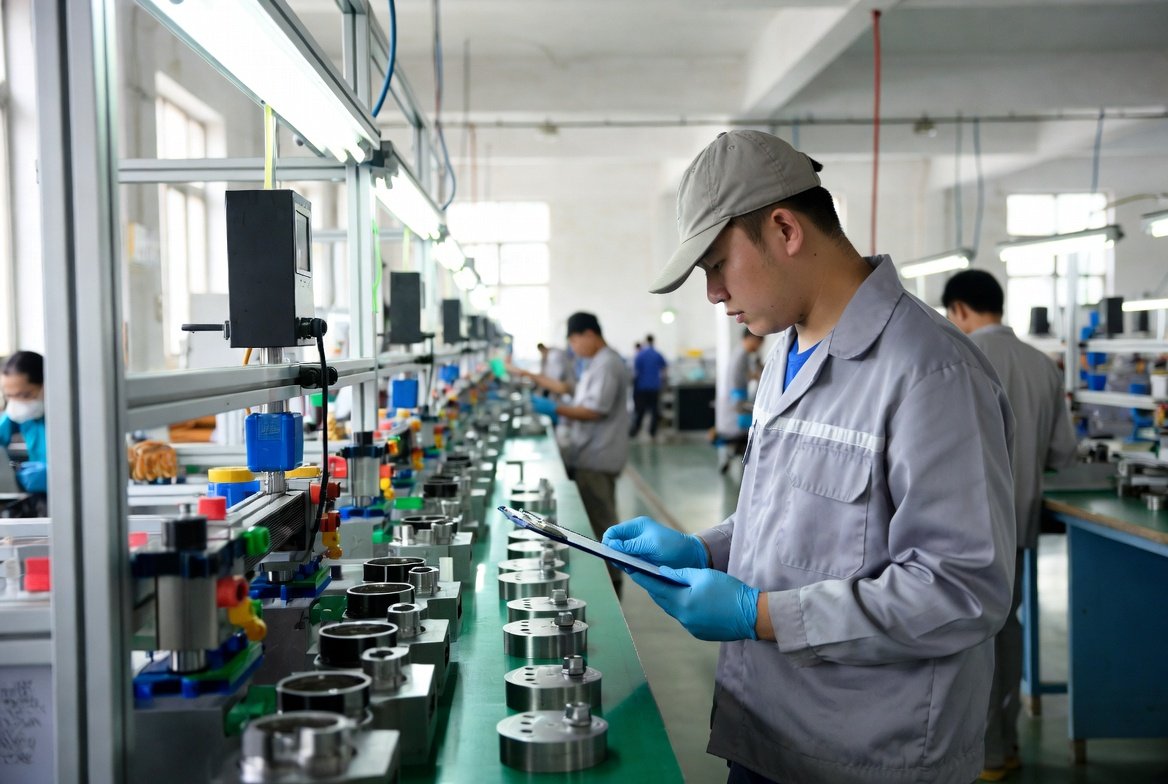
As a sourcing agent in China, the quality control process is crucial to ensure that your clients receive the products they expect. But where do you start?
As a professional sourcing agent in China, your quality control process is the backbone of your business reputation. Structuring an effective QC timeline—from pre-production to final shipment—is essential to ensure clients receive exactly what they paid for. In this guide, we break down the critical inspection checkpoints and how to manage them efficiently in the Chinese manufacturing landscape.
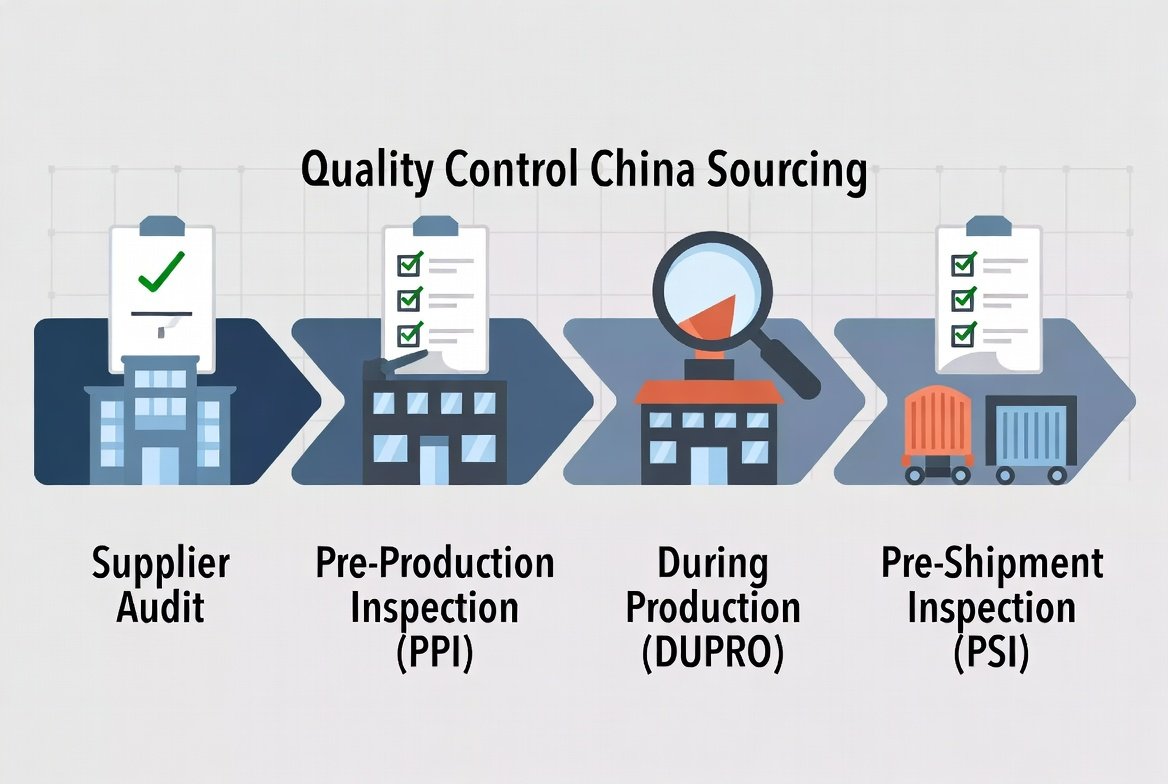
To structure an effective quality control process, it's important to create a clear, multi-stage inspection timeline. This should include pre-production, during-production, and pre-shipment inspections, with the option to involve third-party agencies for unbiased verification.By focusing on key inspection checkpoints at every stage of production, you can maintain better control over the process and prevent costly mistakes. Let's dive deeper into these stages.
What checkpoints do I use from production to delivery?
The journey from production to delivery can be full of pitfalls, and understanding where to focus your quality control efforts is critical. Let’s break down the key checkpoints.Key checkpoints in quality control include pre-production checks, during-production inspections, and final pre-shipment inspections. Each stage addresses potential issues before they affect the final product.When sourcing products from China, it's essential to establish clear checkpoints to maintain product quality. These checkpoints serve as guardrails that ensure each batch of products meets your clients' specifications before reaching them.
Pre-Production Inspection (PPI)
The first stage of quality control occurs even before the production line starts rolling. This inspection ensures that all raw materials, components, and initial samples meet the required specifications. It is also important to check the factory's equipment and processes to ensure they align with your quality standards. During this stage, I typically review color samples, material consistency, and component functionality. By addressing potential issues before full-scale production begins, you prevent costly delays later in the process.
During Production Inspection (DUPRO)
During production, it's crucial to monitor the quality of work as it happens. A good time to schedule a during-production inspection is when 20-50% of the order is complete. This helps identify problems early—whether it’s assembly issues, defective materials, or workmanship concerns. I focus on things like the alignment of assembly methods, testing the functionality of the product parts, and the packaging process. This stage is also essential for identifying any deviations from the agreed-upon specifications, which can then be addressed before production continues.
Pre-Shipment Inspection (PSI)
This is the final stage before the goods are shipped. I typically schedule this when at least 80-100% of the order is packed and ready. During this inspection, random sampling is used according to standards such as AQL (Acceptable Quality Limit) to assess the product’s quality. I check the product's dimensions, functionality, packaging, labeling, and ensure they comply with regulatory standards. This step ensures that the products meet the agreed specifications and prevents any potential issues at customs.
By focusing on these checkpoints, you can address quality issues at the earliest stage possible and avoid unwanted surprises. But it’s not just about having a process; it’s also about how you train your team and select the right third-party agencies to support the process.
Do I have fixed QC stages or adjust per project?
Every product is different, and so are the quality control needs. Should you stick to a fixed QC process, or is it better to adjust according to each project?While it’s important to have a basic framework for quality control, the specific stages can be adjusted depending on the complexity and requirements of the project. Customization ensures that each product is given the attention it needs.In the world of China sourcing, the approach to quality control must be tailored to each product and client. For example, when sourcing electronics, the level of detail required for testing might be much higher than when sourcing textiles. For more straightforward products, I may adopt a more streamlined approach, focusing on essential checkpoints like pre-production and pre-shipment inspections. On the other hand, for high-tech or intricate products, multiple in-process checks might be necessary to ensure that all components function together as expected.
Factors to Consider When Adjusting QC Stages
The complexity of the product is the first factor to consider. For products with intricate parts or specialized manufacturing processes, it's wise to incorporate additional in-process checks. If the product has complex functions, like electronics, I may include tests during production to ensure that everything is correctly assembled.
Second, the client's specific requirements play a large role in determining the QC process. Some clients may have stringent quality standards or special certifications they need to meet. In these cases, I'll adjust the QC process to include additional testing or third-party verification to meet those standards.
Third-party agencies are often essential for complex projects. If the product requires independent verification or needs to meet specific industry standards (e.g., CE, FCC for electronics), involving a third-party inspection agency is beneficial. They provide an unbiased, professional perspective, and their findings can help address any gaps in the internal QC process.
By customizing the QC process to meet the specific needs of each project, you ensure that the products your clients receive are of the highest possible quality.

How do I train my team for product-specific inspections?
Training your team for product-specific inspections is an investment that pays off in the long run. But how can you ensure they’re prepared for the variety of products they’ll inspect?To ensure that your team can effectively perform product-specific inspections, training should include product-specific specifications, defect classifications, and the use of specialized tools or equipment. This prepares them for a range of inspection scenarios.Training your team for product-specific inspections is crucial to maintaining consistency and accuracy throughout the QC process. When sourcing from Chinese suppliers, it’s important to understand the nuances of each product type. For example, when inspecting electronic gadgets, the team needs to be familiar with electrical testing tools and safety protocols, which is different from inspecting soft goods like textiles or furniture.
Steps to Train Your Team
Start by creating a detailed checklist for each product type. This checklist should include the product specifications, including measurements, materials, functionality, and packaging requirements. Ensure that your team is familiar with these checklists and understands how to interpret them. Using digital checklists can streamline the process and make it easier for your team to record and report findings.
Next, provide your team with hands-on training using actual samples. Allow them to practice inspecting different products under real conditions. This helps them understand how to identify defects and the types of issues they may encounter during the inspection. For instance, when inspecting a batch of electronics, they should know how to test each product for functionality and ensure that they are all operating within the required parameters.
Also, it’s important to introduce your team to AQL standards, as these will guide them in deciding which defects are acceptable and which are not. By classifying defects as critical, major, or minor, they can assess the severity of issues and determine the appropriate action.
Finally, include regular refresher courses to keep your team up-to-date with the latest industry standards and testing methodologies. This continuous improvement ensures that your QC process remains efficient and effective.
Can I involve third-party QC firms in the workflow?
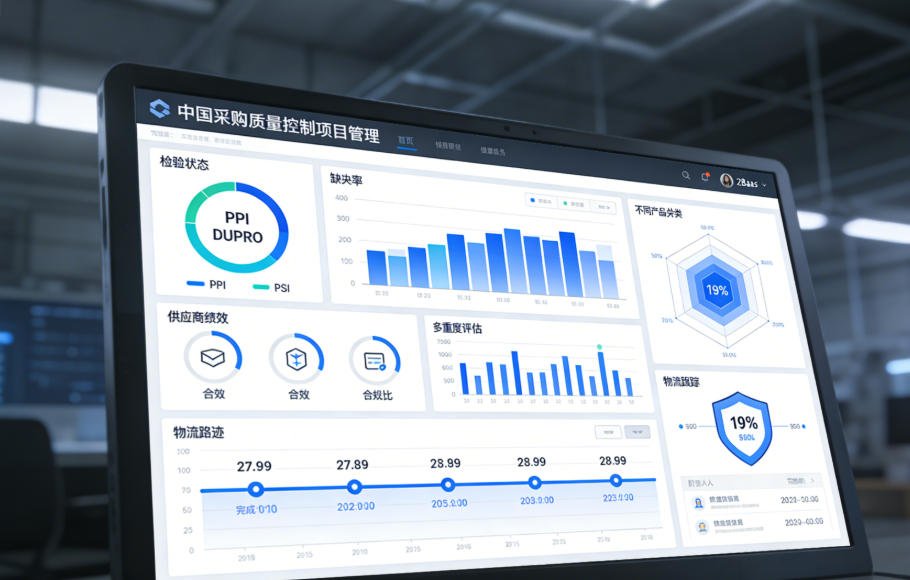
Sometimes it’s difficult to do everything in-house, especially when managing large orders. Can third-party QC firms be a part of your workflow?Yes, involving third-party QC firms is often a smart decision, especially for large or complex projects. These firms provide professional inspections, ensuring that products meet both industry standards and your client's specific requirements.Involving third-party QC firms in your workflow is a common practice in the sourcing industry, especially when sourcing from China. These independent firms offer an unbiased assessment of the product’s quality and ensure compliance with both domestic and international regulations. They also provide you with a level of transparency and accountability that can be hard to achieve through internal inspections alone.
Benefits of Third-Party QC Firms
First, third-party firms offer specialized expertise. For example, they often have certified inspectors who are familiar with specific product types and industry standards, such as ISO certifications. This is especially useful for complex products like electronics, medical devices, or products requiring certifications like CE or FCC.
Second, using third-party firms can help you scale up your quality control efforts without needing to hire additional staff. As your client base grows or your product range expands, third-party firms can provide the additional inspection capacity needed to maintain high-quality standards.
Third, independent QC firms can serve as a neutral party in case of disputes between you and the supplier. Their inspection reports carry weight and can be used as evidence in resolving conflicts or addressing non-compliance issues.
Finally, these agencies often provide detailed reports, including defect statistics, root cause analysis, and clear recommendations for corrective actions. This helps to close the feedback loop and ensures that your suppliers take corrective actions before the next batch of products is produced.
Final Thoughts
A solid quality control process is essential for sourcing products from China. By implementing a structured, multi-stage QC process and involving third-party agencies when needed, you can ensure that your clients receive products that meet their expectations. Establishing a robust QC workflow not only builds trust with your clients but also strengthens your reputation as a China sourcing agent.
Footnote
Quality Control in China: Inspections, Audits, Lab Testing - QIMA
How to Choose the Best China Sourcing Agent for Consumer Goods
How to Implement Effective Quality Control for Sourcing from China
5 Key Benchmarks for Your China Sourcing Agent - ET2C International
Sourcing Agent in China - I need you : r/AmazonFBA - Reddit