Two things happened on your first order that stop happening on your third. You negotiated the price hard, and the factory absorbed part of that to win the relationship. And the specification lived in a physical sample both sides could hold up and argue about.
On the third order the price you won becomes the ceiling the factory works inside, and the sample becomes a document nobody updates. The material swap, the line that gets your order bumped, the inspection that stops happening, are all downstream of those two changes. Buyers who bring us a repeat-order quality problem usually assume the factory cheated. Sometimes it did. More often nobody decided anything.
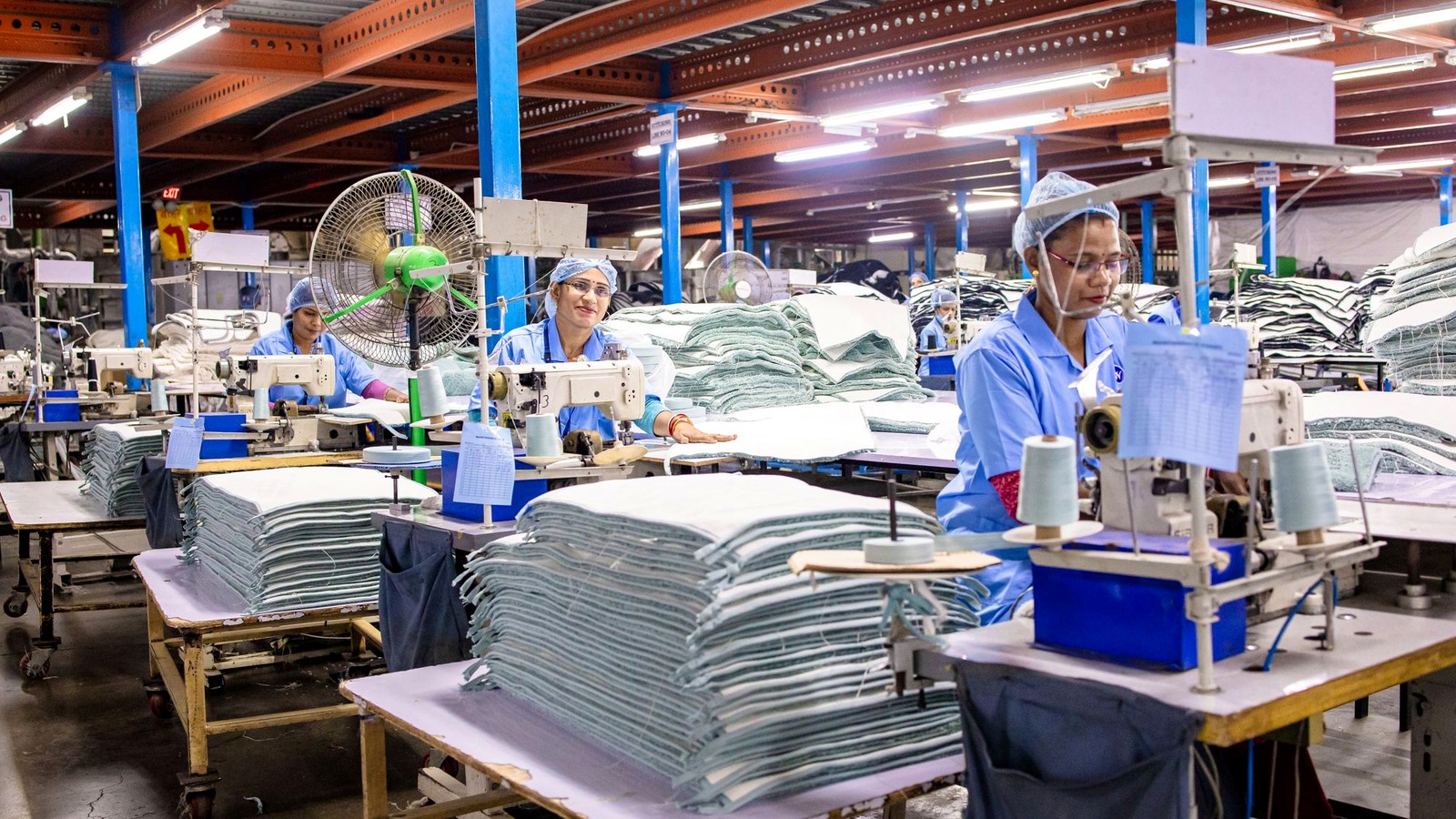
Order one is a relationship, order three is a supply line
The deal on order one was priced on trust
A first order carries a cost the factory does not charge for: the quote you negotiate down is a quote that was never going to earn money for them. They accept it because the second order is what matters, and the second order is worth more than the first one lost. That stops being reasonable the moment the factory has to deliver the repeat order at the price the first order established. Nothing has to be renegotiated. The factory simply has to make the economics work inside the number you agreed to. From inside, this looks like cost control, and the buyer who made the price cannot tell cost control apart from corner-cutting except by looking at the product.
What actually changes between order one and order three
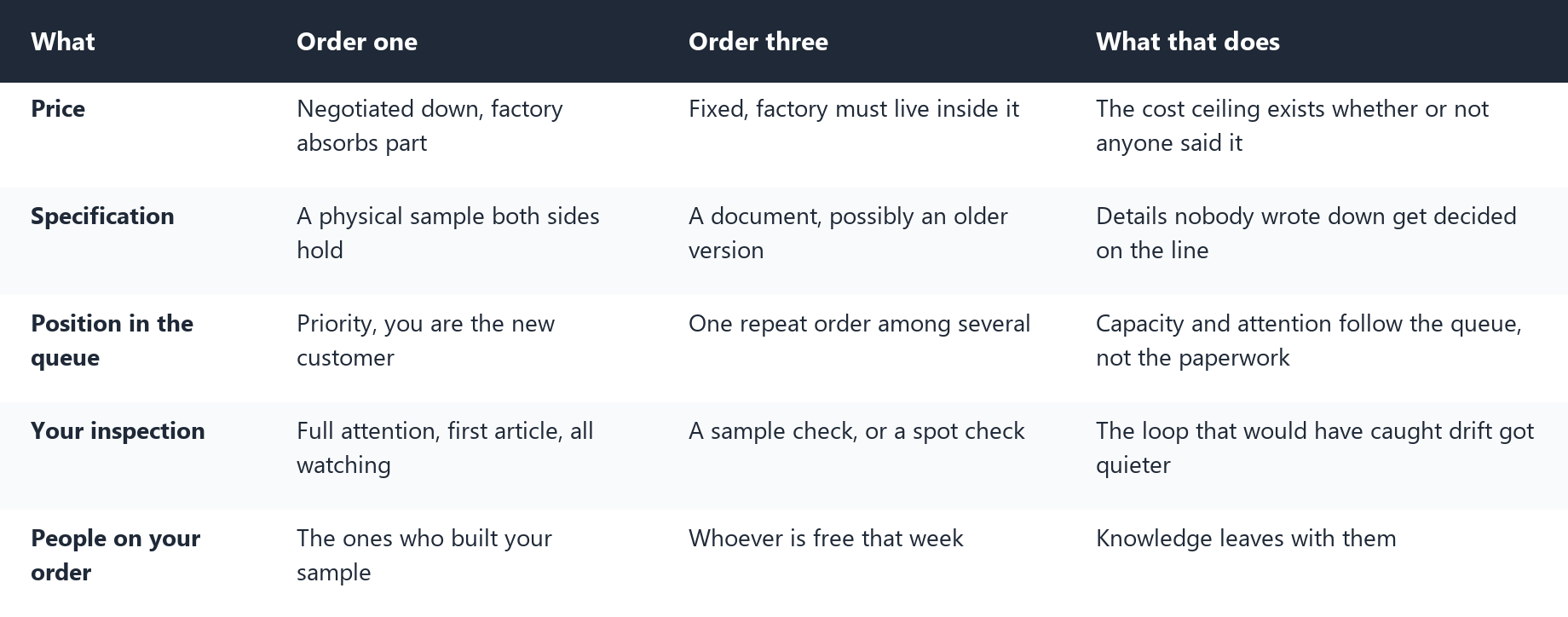
| What | Order one | Order three | What that does |
|---|---|---|---|
| Price | Negotiated down, factory absorbs part | Fixed, factory must live inside it | The cost ceiling exists whether or not anyone said it |
| Specification | A physical sample both sides hold | A document, possibly an older version | Details nobody wrote down get decided on the line |
| Position in the queue | Priority, you are the new customer | One repeat order among several | Capacity and attention follow the queue, not the paperwork |
| Your inspection | Full attention, first article, all watching | A sample check, or a spot check | The loop that would have caught drift got quieter |
| People on your order | The ones who built your sample | Whoever is free that week | Knowledge leaves with them |
The table is not a complaint about factories. Every row is a change in your position, not theirs.
The four mechanisms behind most quality drift
Specification drift, when the sample stops being the reference
The first order is built from a sample. Every judgement call, from stitch density to edge paint thickness, was made in front of both sides and now lives in the buyer's mental model of the product. The third order is built from a document. If that document does not capture every judgement made visually during sampling, the line makes those judgements again, on its own, under time pressure. It will not make the same ones. The symptom is maddening: the goods arrive and everything is right except one dimension nobody can find written down, because it was decided by eye in a meeting, in a language that was not precise, and never recorded.
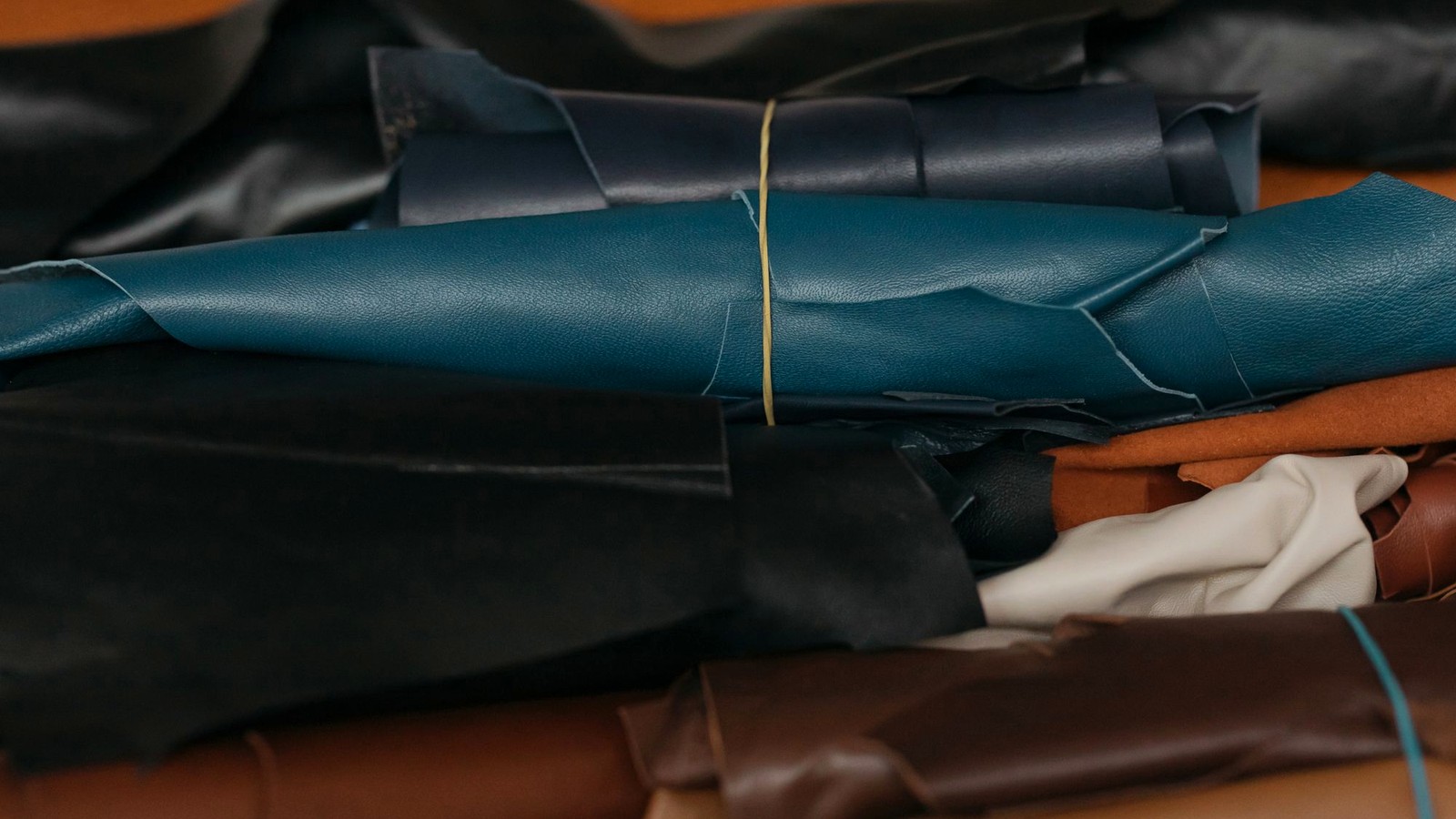
Material substitution, when the price becomes the ceiling
The most common single cause in our records is not sloppy workmanship. It is a different input. Leather grade, hardware plating thickness, lining weight, thread count, glue type, board density in a box, foam thickness in a case: each is a line in a bill of materials, and each can be reduced slightly without changing how the product looks in a photograph or a quick hand check. The reduction is invisible until the customer who bought it tries to use it. When material costs rise, or the factory quotes a repeat order tighter because the relationship feels warm, the cheapest adjustment available is the input, not the labour.
Capacity reallocation, when your repeat order is the small one
Factories do not hold capacity for you. They schedule it. A repeat order from a known buyer, in a known quantity, with a known spec, competes against new orders with higher margins and more senior attention. The order does not get rejected or delayed. It gets moved to a line that is already full, run by a team that did not build your sample, at a shift where your quality history is not visible. The output is not worse work. It is the same work performed by people who were never given the details.
Attention decay, when the inspection loop goes quiet
The first order gets inspected like it might be the last one. By the third order, same factory, same product, same buyer, and the inspection has become a formality: a sample is pulled, a quick look is taken, the report is filed. Meanwhile the factory has correctly read the signal. Repeat business with no inspection pressure means the standard is whatever the line produces on a normal day. That is the real thing that changed, and it changed on your side.
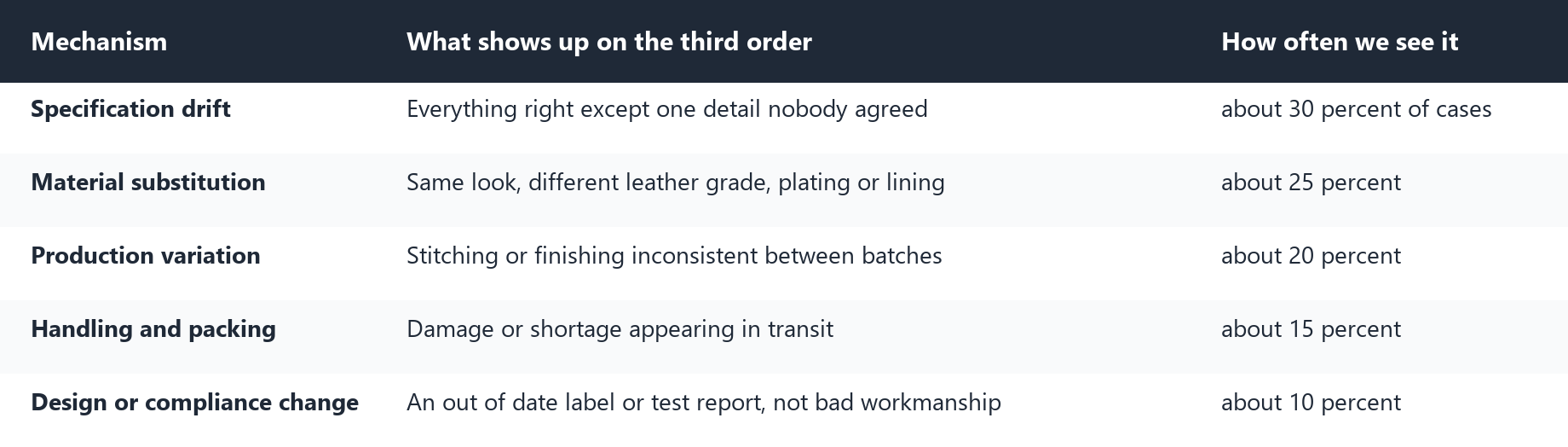
| Mechanism | What shows up on the third order | How often we see it |
|---|---|---|
| Specification drift | Everything right except one detail nobody agreed | about 30 percent of cases |
| Material substitution | Same look, different leather grade, plating or lining | about 25 percent |
| Production variation | Stitching or finishing inconsistent between batches | about 20 percent |
| Handling and packing | Damage or shortage appearing in transit | about 15 percent |
| Design or compliance change | An out of date label or test report, not bad workmanship | about 10 percent |
These proportions come from our own order records, not a published survey. Treat them as a guide to where to look first on your own orders, not a benchmark for the industry.
One point of balance is worth adding. Chinese-made goods account for a large share of any published recall or enforcement list, simply by arithmetic: the United States imported USD 308.7 billion of goods from China in 2025, against USD 106.0 billion exported the other way. A list of problems in the market measures how much manufacturing there is to have problems with, not how good it is. The question that matters to you is narrower: is my third order's defect rate higher than my first, and if so, which of these five mechanisms is it?
The compliance tail nobody puts in the quote
Material substitution and specification drift are not only quality problems. They become paperwork problems, and the paperwork sits with you, not the factory.
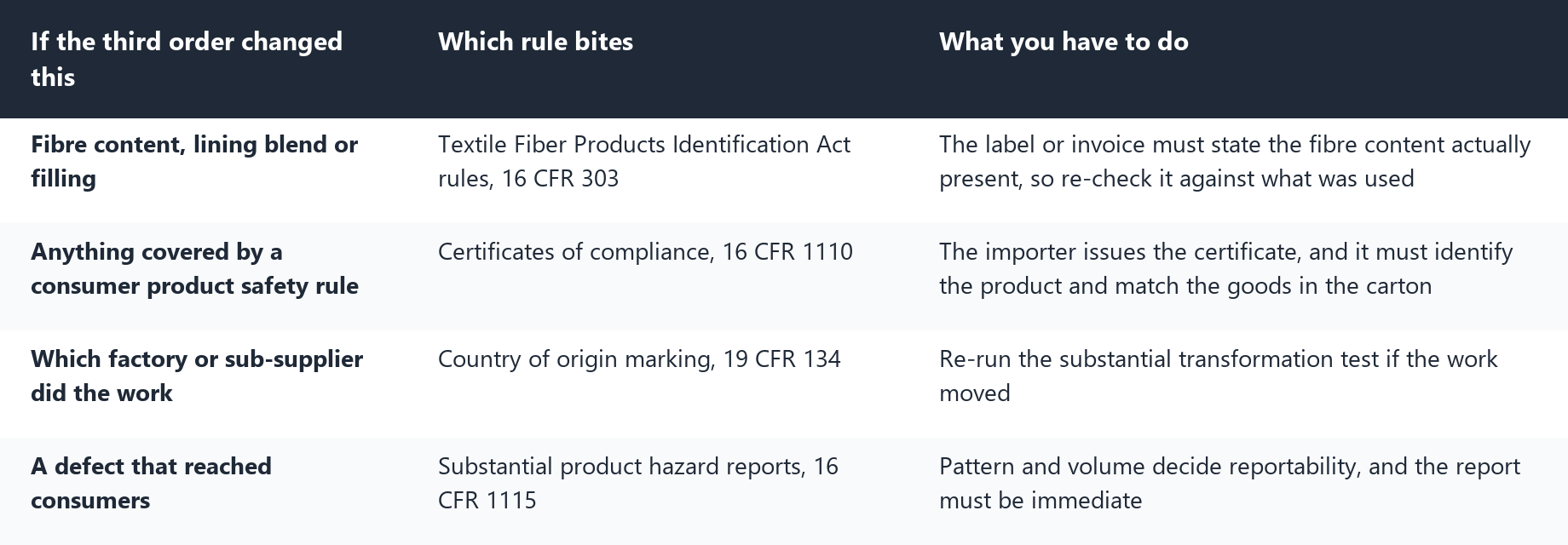
| If the third order changed this | Which rule bites | What you have to do |
|---|---|---|
| Fibre content, lining blend or filling | Textile Fiber Products Identification Act rules, 16 CFR 303 | The label or invoice must state the fibre content actually present, so re-check it against what was used |
| Anything covered by a consumer product safety rule | Certificates of compliance, 16 CFR 1110 | The importer issues the certificate, and it must identify the product and match the goods in the carton |
| Which factory or sub-supplier did the work | Country of origin marking, 19 CFR 134 | Re-run the substantial transformation test if the work moved |
| A defect that reached consumers | Substantial product hazard reports, 16 CFR 1115 | Pattern and volume decide reportability, and the report must be immediate |
The label has to match what is actually in the goods
For textile fibre products sold in the United States, every unit has to be labelled or invoiced in conformity with the Textile Fiber Products Identification Act and the rules under it, which means the fibre content stated has to be the fibre content present. A lighter lining, a different blend, a swapped filling, and the label approved for the first order now describes goods that do not exist. This catches people out because the substitution is often invisible where the label is approved: the label was approved against the sample, and nobody re-opened the question when the material changed.
A certificate has to describe the product you actually shipped
For products subject to a consumer product safety rule, an imported finished product has to be accompanied by a certificate of conformity, and for an imported product the importer is the party who issues it. The certificate has to identify the product it covers by at least one unique identifier, whether that is a GTIN, a model number, a serial number, a stock keeping number or a UPC, together with a description sufficient to match the finished product to the certificate, and it has to state each rule the product is certified against.
Every one of those elements assumes the carton holds the product you certified. Change the material, the construction or the component supplier on the third order and that breaks. The certificate is still in your name, and the mismatch shows up at the border or in a retailer audit, not in the factory.
Country of origin is not a constant
Country of origin marking turns on where the article was manufactured, produced or grown, and further work or material added in another country only changes that answer if it effects a substantial transformation. Moving the work, or splitting it across a new sub-supplier, puts that question back open on orders where nobody thought about it since the first shipment.
If it reaches a consumer, the report is yours to make
This is the part that changes how seriously to take a repeat-order defect. A substantial product hazard exists where a product either fails to comply with an applicable consumer product safety rule and that failure creates a substantial risk of injury to the public, or where a defect, because of its pattern, the number of defective products distributed in commerce, the severity of the risk, or otherwise, creates a substantial risk of injury to the public.
Read that list of factors again with a quality drift in mind. Pattern of defect. Number of defective products distributed. A substitution that shipped on three consecutive orders is not one bad batch. It is a pattern, and the volume is in commerce.
Once a manufacturer, importer, distributor or retailer obtains information which reasonably supports the conclusion that the product contains such a defect, they must immediately inform the Commission, at the Office of Compliance, Division of Corrective Actions. There is no clause here for negotiating a credit note with the factory first. A factory that ships a defective batch is a commercial problem. A pattern of defects you had information about and did not report is a regulatory one.
What changed on our side of the order
We learned this on a leather goods project in September 2026, making a pouch and a belt for one buyer out of one factory. The factory's sample round went well. What we missed was that it read that sample round as a sizing exercise and treated the stitching as a secondary detail. It was not secondary, and no sample was going to settle it.
So we separated the two questions the factory was being asked. A sample answers can this be made. A pre-production sample answers what exactly is the standard. A buyer asking for an identical sample and a factory asking for a sample are not saying the same thing. Our order flow now has four stages with a named output at each one: sample, meaning can it be made; purchase order and deposit, locking the commercial terms; pre-production sample, meaning every detail agreed and fixed, with one copy held by us, one by the factory and one by the buyer; and sealed approval plus production, where we take one further approved reference sample before the first batch runs. On that project the terms were MOQ 1000 pieces direct to the factory with 30 percent deposit, which is what let the factory commit material for the run.
The mistake we see most often is buyers treating a successful first order as the setup for a relationship and relaxing the inspection afterwards. The first order is the least dangerous one. Every order after it needs the same discipline.
Four controls that survive a repeat order
Put the specification in writing, with a version on the purchase order
Not a description. A specification: measurable, with the judgement calls from sampling converted into numbers. Then attach a version number and put it on the purchase order, so when the factory asks which drawing to run the answer is on the order rather than in somebody's memory of a meeting three months ago. Our guide on mass production matching approved samples has the mechanics.
Keep a sealed reference sample, and let the buyer hold a third
Seal the approved sample so it cannot be lost, casually replaced or argued about. One copy with the factory, one with us, one with the buyer, so a dispute is about the physical object rather than whose recollection is better. We take one further approved reference sample before the first production batch of a run, because the sample that came out of development is not always the one still around when production starts.
Put the inspection plan in the purchase order, not in the email
An inspection that lives in an email can be skipped when the week is busy. Write the acceptance limits, the inspection points and the reporting obligation into the purchase order itself. Our article on AQL inspection standards covers how to set the parameters and what the levels mean.
Set the acceptance limit per lot under the standard your factory already uses
Chinese factories work to GB/T 2828.1-2012, the national standard for counting sampling procedures indexed by acceptance quality limit for lot by lot inspection, in force since February 2013. It is the sampling scheme behind most AQL inspection in China, so using it means your inspection request lands in a language the factory already understands, with sample sizes and acceptance numbers that do not have to be negotiated from scratch.
The important point is lot by lot. A quality level applies to the lot in front of you, not to the supplier's reputation. Every production lot gets its own sampling decision, which is why inspection must run at the same rate on the tenth order as on the first.
A short list before the next repeat order
1. Write the specification as measurable values, not descriptions, and put a version number on it.
2. Put that version number on the purchase order so the line and the office work from the same document.
3. Seal the approved sample and hold three copies, one of them with the buyer.
4. Write the inspection plan and the acceptance limits into the purchase order, and sample every production lot.
5. Check the fibre content or material composition label against what was actually used on that order.
6. Check that the certificate of conformity still describes the product in the carton.
7. Keep a record of every nonconformity found, because pattern and volume are what turn a defect into a reportable hazard.
Footnotes
1. National Standard of the People's Republic of China, GB/T 2828.1-2012, Counting sampling procedures, Part 1: Sampling schemes indexed by acceptance quality limit (AQL) for lot-by-lot inspection, published November 5, 2012, effective February 15, 2013: https://openstd.samr.gov.cn/bzgk/gb/newGbInfo?hcno=C6B5F819E91CEE020AAD7BA9E872626B
2. U.S. Consumer Product Safety Commission, Certificates of Compliance, 16 CFR Part 1110, sections 1110.5, 1110.7 and 1110.11: https://www.ecfr.gov/current/title-16/chapter-I/subchapter-D/part-1110
3. U.S. Consumer Product Safety Commission, Substantial Product Hazard Reports, 16 CFR Part 1115, sections 1115.2, 1115.4 and 1115.10: https://www.ecfr.gov/current/title-16/chapter-I/subchapter-D/part-1115
4. U.S. Federal Trade Commission, Rules and Regulations Under the Textile Fiber Products Identification Act, 16 CFR Part 303, section 303.2: https://www.ecfr.gov/current/title-16/chapter-I/subchapter-D/part-303
5. U.S. Customs and Border Protection, Country of Origin Marking, 19 CFR Part 134, section 134.1: https://www.ecfr.gov/current/title-19/part-134
6. U.S. Census Bureau, Trade in Goods with China, annual totals in millions of U.S. dollars: https://www.census.gov/foreign-trade/balance/c5700.html
If you are already seeing variation between batches, there is a separate guide on how to fix quality inconsistency across batches that works from the defect side rather than the order structure. And before a new supplier is involved at all, check how to verify a Chinese supplier is a real factory, not a middleman: the factory that answers the first order is not always the one that answers the third.