
Every week, our team fields dozens of emails from overseas buyers who feel stuck—unsure what to ask, what numbers to expect, or how to avoid hidden fees when requesting samples through a China sourcing agent 1. The frustration is real. Without clear cost breakdowns and realistic timelines, you risk wasting money on samples that arrive late, look wrong, or blow your budget before production even starts.
To inquire about sample production costs and lead times from a China sourcing agent, provide detailed product specifications upfront, request itemized cost breakdowns covering materials, labor, tooling, and shipping, ask for stage-by-stage lead time estimates, and compare quotes from multiple agents before committing to ensure transparency and fair pricing.
Samples made before mass production 2 serve as the benchmark for your entire order. They are not just physical prototypes—they should come with detailed documentation, drawings, and parameter records material fees 3. In this guide, I will walk you through exactly how to ask the right questions, negotiate smartly, and handle delays. Let's dig in.
How do I request a detailed breakdown of sample production costs for my project?
When our sourcing team coordinates samples for clients, we see the same mistake over and over: buyers ask for "a sample price" without specifying what they need broken down labor charges 4. That single vague question leads to vague answers—and vague answers hide costs.
Request a detailed sample cost breakdown by asking your China sourcing agent to itemize material fees, labor charges, tooling or mold costs, agent handling fees, and express shipping costs separately, so you can compare quotes accurately and spot any hidden markups before committing.

Why a Lump-Sum Quote Is a Red Flag
If your agent sends you a single number—say "$200 for the sample"—you have no way to verify whether that is fair tooling or mold costs 5. A lump-sum quote hides the agent's margin. It also makes it impossible to negotiate specific line items. Always push for line-by-line transparency.
The Five Cost Components You Must Ask About
Here are the core elements that should appear in every sample cost breakdown:
| Cost Component | Typical Range | What It Covers |
|---|---|---|
| Raw Materials | $10–$200+ | Fabric, plastic, metal, electronics, etc CAD files 6. |
| Labor / Craftsmanship | $20–$150 | Handwork, assembly, finishing, painting |
| Tooling / Molds | $0–$5,000+ | Custom molds, dies, jigs (if applicable) |
| Agent Handling Fee | $0–$50 | Coordination, factory visits, QC checks |
| Express Shipping | $50–$200 | DHL, FedEx, UPS door-to-door delivery |
When we prepare quotes for our clients at Go Source, we list each of these on a separate line. This way, the buyer can see exactly where every dollar goes. If your agent refuses to do this, consider it a warning sign.
A Simple Email Template You Can Use
Here is a script you can adapt. Keep it short and direct:
Subject: Sample Cost Breakdown Request – [Product Name]
Hi [Agent Name],
I am interested in producing a sample for [product description]. Please provide a detailed cost breakdown including:
- Material costs
- Labor / production costs
- Tooling or mold fees (if any)
- Your handling or service fee
- Shipping cost via DHL/FedEx to [your address]
Also, can you confirm if the sample fee will be credited against my bulk order?
I appreciate a reply within 2 business days. Thank you.
How to Compare Multiple Quotes
Get at least two or three quotes. Line them up side by side. Look at each component, not just the total. Sometimes an agent with a higher material cost actually offers lower shipping—making the total cheaper. Numbers tell the truth only when you see them broken down.
Crediting Sample Fees Against Bulk Orders
Many agents and factories will refund or credit the sample cost once you place a large production order. This is standard practice for orders above $5,000–$10,000. But you must ask upfront and get it in writing. Do not assume it will happen automatically.
In our experience, transparent pricing builds trust for long-term partnerships. The five minutes you spend asking for a breakdown today can save you hundreds—or thousands—down the road.
What information must I provide to get an accurate estimate of sample lead times?
Our production coordination team has learned—sometimes the hard way—that inaccurate lead time estimates almost always trace back to incomplete information from the buyer. The agent cannot give you a realistic timeline if they do not know what you need.
To get an accurate sample lead time estimate, provide your sourcing agent with complete product specifications, preferred materials, dimensional drawings or CAD files, finish requirements, packaging details, and your shipping address, so they can assess material availability, production complexity, and logistics timelines precisely.
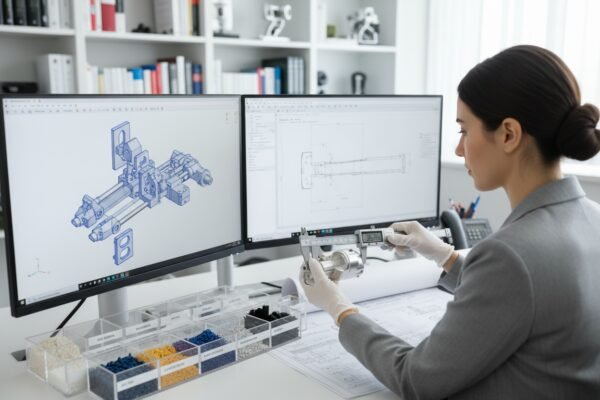
The Information Checklist
Before you send your first inquiry, gather these details. Missing even one item can add days to your timeline because the agent must go back and forth with you.
| Information Required | Why It Matters |
|---|---|
| Product dimensions & drawings | Factory cannot quote time without knowing size and shape |
| Material type & grade | Some materials have 1–2 week procurement lead times |
| Color, finish, texture | Special finishes (anodizing, UV coating) add processing days |
| Functional requirements | Moving parts, electronics, or certifications slow things down |
| Quantity of samples needed | 1 sample vs. 5 samples changes scheduling |
| Shipping destination & method | Air express vs. sea freight differs by weeks |
| Target delivery date | Agents can flag if a deadline is realistic before starting |
How Product Complexity Affects Lead Times
A simple silicone phone case sample might take 7–10 days from order to delivery. A custom electronic device with a new PCB layout could take 25–30 days. The difference comes down to how many production steps are involved and whether raw materials are in stock.
Here is a rough guide we share with our clients:
- Standard off-the-shelf modification: 7–14 days
- Custom design with existing mold: 14–21 days
- Fully custom product with new tooling: 21–35 days
Seasonal Factors You Cannot Ignore
Chinese New Year 7 shuts down most factories for 2–4 weeks, typically in January or February. If you send a sample request in mid-January, expect delays of a month or more. Other peak seasons include the Canton Fair periods in April and October, when factories are busy with high-volume buyers. Plan your sample requests around these windows.
Using Digital Tools to Speed Things Up
Before requesting a physical sample, consider asking your agent for CAD renders or 3D digital prototypes. At Go Source, we encourage clients to approve a digital version first. This eliminates at least one round of revisions on the physical sample, saving 5–10 days on average. Some agents now use real-time tracking platforms so you can see exactly which stage your sample is in—material procurement, production, QC, or shipping.
The Golden Sample Agreement
Once you approve a physical sample, formalize it. This approved sample becomes your "golden sample 8"—the quality standard for mass production. Both you and the factory should sign off on it. Keep one copy at the factory, one at the agent's warehouse, and one at your office. This documentation, paired with detailed drawings and parameter sheets, is as important as the sample itself.
How can I negotiate sample fees and shipping costs with my China sourcing agent?
Over the years, our team has helped hundreds of SME buyers reduce their upfront sampling costs by 20–30% simply by asking the right questions at the right time. Negotiation is not about being aggressive. It is about being informed.
Negotiate sample fees and shipping costs by requesting quotes from multiple agents, asking if sample fees can be credited to bulk orders, offering to use your own shipping account, consolidating multiple samples into one shipment, and leveraging your long-term order potential as a bargaining chip.

Understanding Agent Fee Structures
Before you negotiate, you need to understand how your agent makes money. Different fee models create different incentive structures—and different negotiation leverage points.
| Fee Model | How It Works | Sample Fee Implication |
|---|---|---|
| Commission-based (3–10%) | Agent earns % of factory price on bulk orders | Sample coordination often "free," but buyer pays direct costs |
| Flat fee ($300–$500/product) | Fixed project fee covering sourcing + sample coordination | Sample costs usually included in flat fee |
| Hybrid model | Small upfront fee + lower ongoing commission (1–5%) | Best for complex or private-label products |
| Hourly rate ($25–$40/hour) | Pay for time spent on sourcing, QC, communication | Sample-related hours billed separately |
If your agent works on commission, they are motivated to get you into production quickly. Use that motivation. Tell them you are ready to place a bulk order of X units once the sample is approved. This gives them a reason to absorb or reduce sample-related fees.
Five Proven Negotiation Tactics
Credit the sample fee. Ask the factory to deduct the sample cost from your first bulk order. Most factories agree for orders above $3,000–$5,000.
Use your own shipping account. If you have a DHL or FedEx business account, you may get better rates than what the agent quotes. Ask for the package dimensions and weight, then compare.
Consolidate shipments. If you are sampling three products from different factories, ask your agent to collect all samples at their warehouse and ship them together. This can cut shipping costs by 40–60%.
Compare agent quotes. Get quotes from at least two agents. When one agent sees a competing quote, they often sharpen their pricing.
Negotiate tooling separately. If your product requires molds, negotiate mold ownership. If you pay for the mold, you own it—and you can move it to a different factory later. This protects your investment.
The Commission vs. Flat Fee Debate
There is no single "best" model. Commission-based agents are incentivized to find you the lowest factory price—but critics point out that some dishonest agents inflate factory quotes to boost their commission. For example, if a factory charges $10 per unit, an honest agent at 5% commission bills you $10.50. A dishonest one might report the factory price as $11 and pocket the difference plus their 5%.
Flat-fee agents offer predictability. You know exactly what you are paying for their service. But they have less financial incentive to push factories on pricing because their income does not depend on order value.
For sample-stage work specifically, a flat fee often makes more sense. You pay a fixed amount—say $300—for the agent to source the factory, coordinate the sample, and handle QC. This avoids the ambiguity of commission calculations on small sample orders.
Red Flags When Discussing Fees
Watch out for agents who quote unrealistically low commissions below 3%. At that rate, they cannot sustain quality service. They may cut corners on factory audits, skip QC inspections, or accept kickbacks from factories. Also be wary of agents who pressure you to commit to large orders before you have even seen a sample. A trustworthy agent understands that the sample stage is an investment in the relationship.
What should I do if my sample production takes longer than the initial timeline?
When we manage sample orders at Go Source, we build in a buffer—usually 3 to 5 extra days—because delays happen. Raw materials go out of stock. A factory worker makes a mistake. Customs holds a shipment. The question is not whether delays will happen, but how you respond when they do.
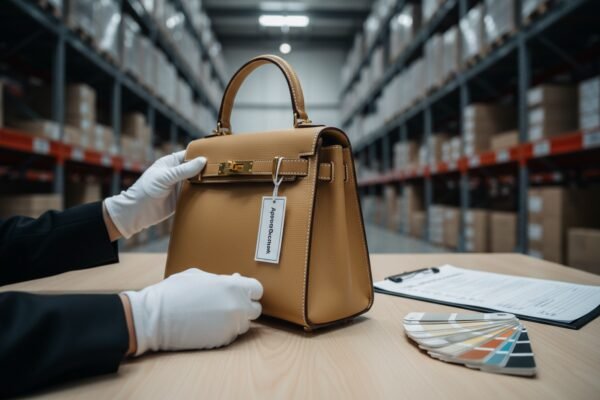
If your sample production exceeds the initial timeline, immediately contact your sourcing agent for a status update and root cause, request a revised delivery schedule with milestones, escalate to factory management if needed, and document all delays in writing for leverage in future negotiations or contract adjustments.
Step 1: Get the Root Cause
Do not accept "the factory is delayed" as an answer. Push your agent for specifics. Is it a material shortage? A machine breakdown? A quality failure that required remaking? The root cause determines your next action. A material shortage might resolve in 3 days. A quality failure could mean starting over from scratch.
Step 2: Request a Revised Timeline With Milestones
Ask your agent to provide a new delivery date—and break it into stages. For example:
- Material re-procurement: 3 days
- Sample re-production: 5 days
- Internal QC check: 1 day
- Shipping to your address: 3–5 days
This milestone approach gives you checkpoints. If the agent misses the first milestone, you know immediately instead of waiting until the final deadline.
Step 3: Explore Rush Options
Some factories offer expedited production for an additional fee—typically 15–30% more. Ask your agent if this is possible. Also ask whether switching to a different shipping carrier or upgrading from standard air to priority express can recover lost days.
Step 4: Use Delays as Negotiation Leverage
If the delay was the factory's fault—not caused by your spec changes or late feedback—you have leverage. Request a discount on the sample fee. Ask for free upgraded shipping. Or negotiate better terms on your bulk order. Document everything in writing via email so there is a clear record.
Step 5: Evaluate the Agent's Response
How an agent handles delays tells you a lot about their reliability for production. A good agent communicates proactively, provides honest updates, and offers solutions. A bad agent goes silent, makes excuses, or blames the factory without taking responsibility for their coordination role. If your agent consistently misses timelines during the sample stage, they will likely do the same during mass production—when the stakes are much higher.
When to Consider Switching Agents or Factories
If a sample that was quoted at 14 days takes 45 days with no clear explanation, that is a systemic problem. At that point, consider requesting your deposit back and starting fresh. Protect your intellectual property by ensuring any NDA or NNN agreement you signed covers the transition period. And always keep your original design files—never rely solely on the factory's copies.
Protecting Your Production Standards
Remember, the sample is not just a prototype. It is the standard for your entire batch. If delays compromise quality—for example, if the factory rushes the sample to make up for lost time—do not approve it. A flawed golden sample leads to thousands of flawed production units. Take the extra time to get it right. Pair your approved physical sample with detailed documentation: dimensional drawings, color codes, material certificates, and test reports. This paper trail is your insurance policy.
Conclusion
Asking the right questions about sample costs and lead times is the foundation of a successful China sourcing partnership. Be specific, demand transparency, negotiate with data, and treat delays as opportunities to test your agent's reliability before you commit to large orders.
Footnotes
1. Explains the role and function of a China sourcing agent. ↩︎
2. Defines the concept of mass production in manufacturing. ↩︎
3. Details the components of material costs in production. ↩︎
4. Explains the nature of labor costs in manufacturing. ↩︎
5. Found an article defining tooling costs in manufacturing, including molds and dies. ↩︎
6. Explains the role of CAD files in manufacturing processes. ↩︎
7. Describes the impact of Chinese New Year on manufacturing and supply chains. ↩︎
8. Defines the concept of a golden sample in quality control and manufacturing. ↩︎
9. Defines the importance and components of product specifications. ↩︎
10. Explains factors influencing international express shipping rates. ↩︎