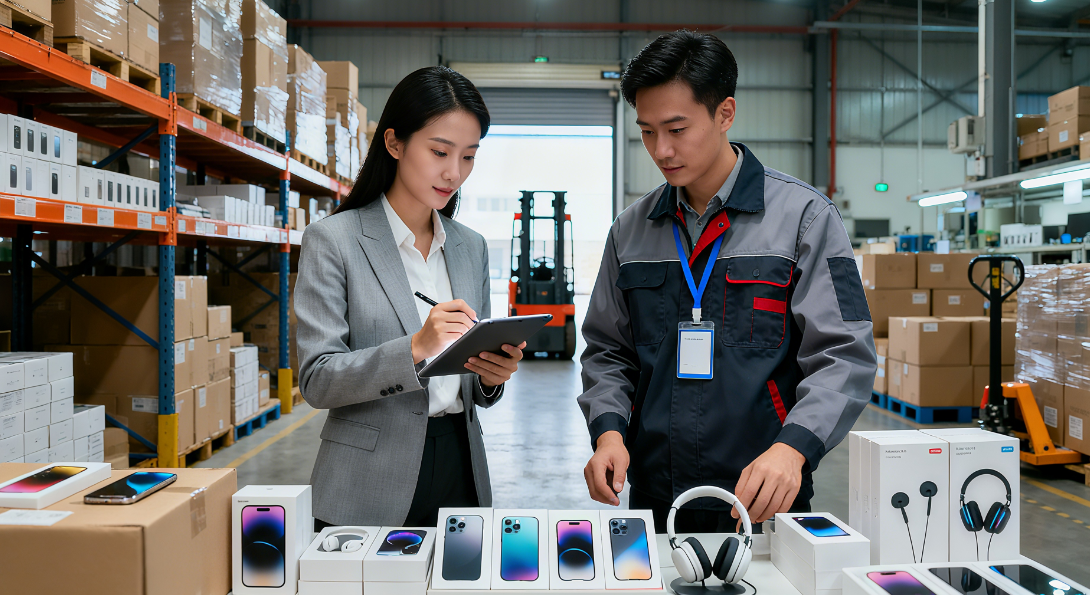
When it comes to international trade, ensuring product quality is one of the most critical — and challenging — aspects of global procurement. Businesses around the world increasingly rely on China sourcing to access affordable manufacturing, custom product development, and large-scale production. However, without proper quality control measures, sourcing from overseas suppliers can expose your business to risks such as product defects, delivery delays, and compliance issues.
This guide provides a step-by-step framework for effective quality control in international sourcing, particularly when sourcing from China — the world’s manufacturing powerhouse.
Step 1: Define Clear Product Specifications
Before you place your first order, it’s essential to establish detailed and unambiguous product specifications. This includes:
Technical drawings, materials, dimensions, and tolerances
Packaging details and labeling requirements
Compliance with safety and certification standards (CE, RoHS, ISO, etc.)
A professional China sourcing agent can help you communicate these specifications clearly to the manufacturer, reducing the risk of misunderstandings. The clearer your requirements, the smoother your sourcing process will be.
Step 2: Choose the Right Supplier
Selecting a reliable supplier is the foundation of successful quality control. When evaluating potential manufacturers, consider these key factors:
Production capability — Do they have the machinery and experience for your specific product?
Quality management system — Are they certified (e.g., ISO 9001)?
Communication efficiency — Can they respond quickly and clearly?
Working with a China sourcing company or China buying agent can significantly simplify this process. These professionals have established networks of trusted factories and can perform China supplier verification to confirm legitimacy, financial stability, and production capabilities. This step alone can prevent costly sourcing mistakes.
Step 3: Conduct a Factory Audit
Once you’ve shortlisted potential suppliers, a factory audit is the next step. This on-site assessment allows you to verify:
The factory’s production facilities and working conditions
Quality control processes
Employee welfare and compliance with labor laws
An experienced China procurement agent or third-party inspection company can perform these audits on your behalf. Their local expertise ensures that cultural and language barriers don’t lead to miscommunication or missed red flags.
Step 4: Arrange Pre-Production Sampling
Never proceed to mass production without reviewing a pre-production sample. The sample acts as the standard reference for future batches and helps identify design flaws, quality inconsistencies, or material substitutions early on.
During this stage, your China product sourcing partner can manage communication between you and the factory, ensuring that any required modifications are made before production begins. If you are working on OEM China sourcing or ODM China sourcing, this step becomes even more important, as custom products often require multiple sample iterations.
Step 5: Implement In-Process Inspections
Quality control shouldn’t be a one-time event. Instead, it should happen throughout the production cycle. In-process inspections (also known as “during production inspections”) involve checking random samples from the production line to ensure consistency with your approved standards.
This step helps detect issues such as incorrect labeling, color mismatches, or assembly defects early — before the entire order is completed. Many China sourcing services include this as part of their package, ensuring consistent monitoring and quick corrective action when necessary.
Step 6: Conduct Final Random Inspection (FRI)
Once production is complete, a final random inspection ensures that the finished goods meet your quality standards before shipment. Inspectors typically check product dimensions, weight, packaging, labeling, and overall workmanship.
This process is crucial for Quality control in China sourcing, as it provides an objective quality report before the goods leave the factory. The report allows you to approve, reject, or request rework before payment and shipping.
Step 7: Manage Shipping and Logistics
Even the best products can be compromised during transportation if proper logistics are not in place. Partnering with a sourcing agent experienced in China sourcing and logistics ensures that your goods are packed correctly, labeled for customs, and shipped through reliable freight channels. This minimizes the risk of damage or delays during transit.
Many sourcing agents also assist with documentation, customs clearance, and supply chain tracking, giving you complete visibility and control from production to delivery.
Step 8: Continuous Improvement and Supplier Feedback
After each order, take the time to review performance metrics such as defect rates, delivery punctuality, and responsiveness. Share constructive feedback with your suppliers to encourage long-term improvement.
A reputable sourcing partner can also collect China sourcing agent reviews from other clients to help you benchmark supplier performance and make data-driven decisions for future orders.
The Role of a Professional Sourcing Partner
Managing all these steps independently can be overwhelming, especially when dealing with language barriers, time zone differences, and unfamiliar local regulations. That’s why many international businesses choose to collaborate with the best sourcing agent in China — a professional partner who acts as your on-the-ground representative.
A good sourcing agent not only finds reliable manufacturers but also manages China factory sourcing, quality inspections, supplier communication, and logistics coordination. Their expertise ensures that you get high-quality products at competitive prices — without the stress of micromanaging every detail yourself.
Conclusion
Quality control is not a one-time task; it’s a continuous process that safeguards your brand’s reputation and profitability. By following a systematic approach — from supplier verification and factory audits to inspections and logistics — you can minimize risks and ensure consistent product quality when sourcing from China.
Whether you’re working with a China sourcing agent, a China sourcing company, or managing suppliers directly, investing in structured quality control will always yield long-term benefits.
In the fast-paced world of international trade, strong partnerships and rigorous quality management are what separate successful importers from the rest.