When you're dealing with procurement and logistics as a China sourcing agent, you quickly realize that clients often have many questions about cost structures. What goes into the final price? How do I break it down clearly for them? It's not always straightforward, but understanding how to present these details transparently can set you apart in the industry.
For international clients, the cost breakdown is usually separated into product costs and logistics, with your sourcing fees added on top. This method allows clients to see exactly where their money goes, making it easier to compare EXW, FOB, CIF, and DDP options.
Understanding these distinctions is crucial when providing accurate, transparent quotes. Here's how to structure your cost breakdown and offer clarity to clients.
What’s the Cost Split Between Factory and Shipping?
The initial cost split between factory and shipping is essential for creating a clear, transparent pricing structure. But how do you break this down accurately to clients?
The cost split between the factory and shipping generally follows a basic flow: product costs, packaging, compliance, and logistics. It’s important to isolate costs so clients can understand exactly what they are paying for at each stage.
Breaking Down Factory Costs
When you first engage with a supplier in China, you need to isolate every RMB charged before the goods leave the factory gate. The product cost is the starting point. This includes raw materials, labor, factory overheads, and the supplier's profit margin. Alongside this, you'll have to factor in costs for packaging, which can include inner packaging, export cartons, pallets, and any special protective packing needed for the product.
Tooling and development costs are another common charge, especially if the product requires custom molds, design, or samples. Depending on the product, compliance and testing costs may also apply, particularly for items that need certifications like CE, FDA, or REACH. These fees can quickly add up but are necessary to ensure product compliance with international standards.
If you're quoting EXW (Ex Works), FOB (Free On Board), or CIF (Cost, Insurance, and Freight), you’ll need to reflect the cost differences clearly for clients. EXW, for example, covers just the production cost plus packaging and the factory’s profit. When shifting to FOB or CIF, you need to include additional charges like inland trucking, export customs clearance, and port loading. Clients often find this breakdown helpful when deciding which trade term is best for their needs.
Logistics Costs: Shipping and Freight
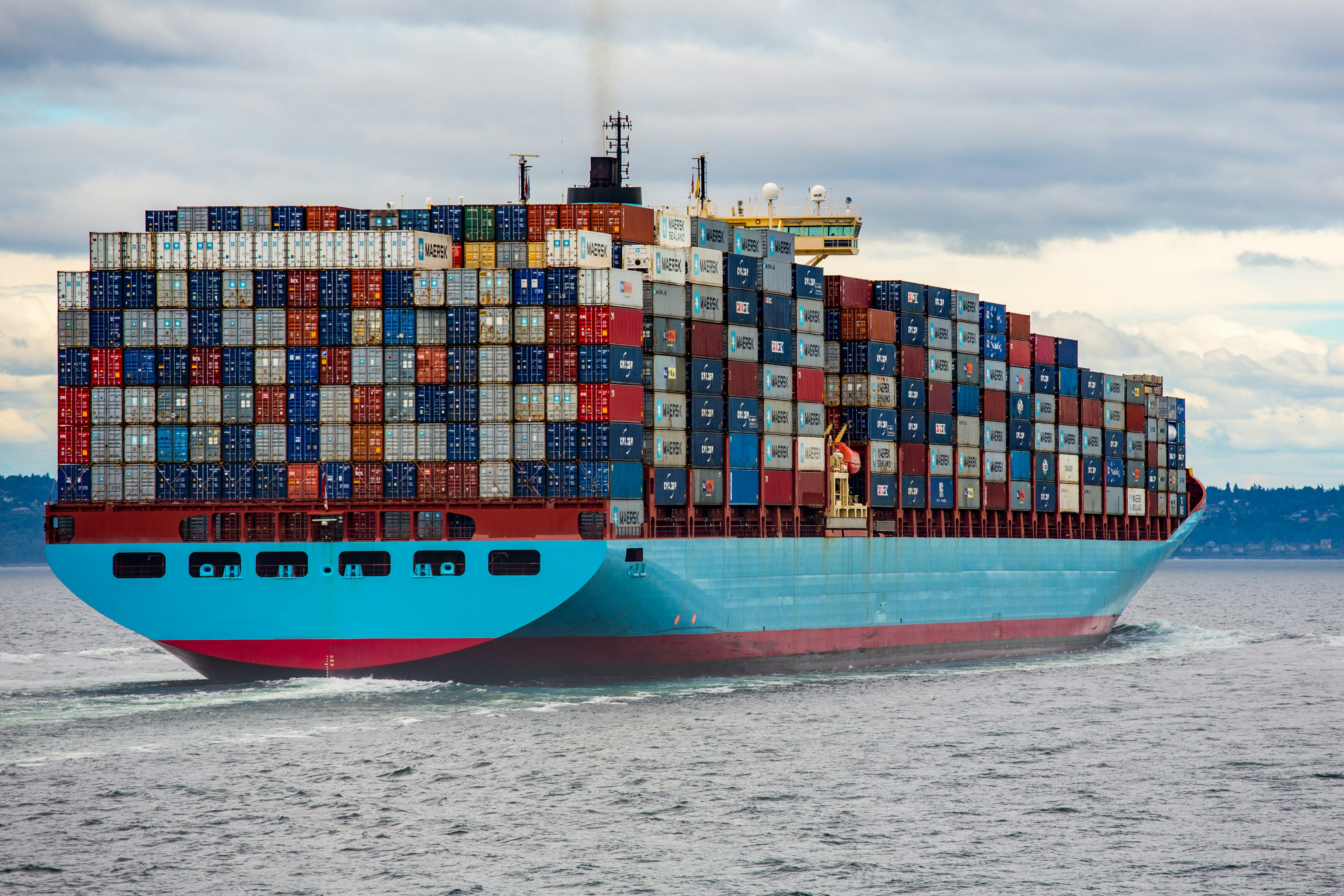
Shipping costs usually include the international freight from China to the destination country. Whether it's air or sea freight, you'll need to break down the freight charges into base rates and any surcharges that may apply, such as BAF (Bunker Adjustment Factor) or peak season surcharges.
Additionally, you need to explain any origin and destination add-ons, like terminal handling charges, documentation fees, or security fees, which can vary depending on the port or airport. Insurance premiums are also part of the shipping cost and are typically calculated as a percentage of the cargo value plus the freight cost.
Destination Costs: Customs and Final Delivery
When handling DAP (Delivered at Place) or DDP (Delivered Duty Paid) shipments, there are additional destination costs to consider. These can include import duties and taxes, which are calculated based on the product value, freight, and the country of origin. Customs clearance fees, local handling charges, and final mile delivery are also important considerations. These costs must be clearly laid out to clients, helping them understand what they are paying for from port to warehouse.
Do I Itemize Inspection, Packaging, and Customs Fees?
Clients often ask if they should itemize inspection, packaging, and customs fees separately in the total cost estimate. This is a good practice for transparency, but how do you present this clearly?
Yes, itemizing inspection, packaging, and customs fees separately can provide much-needed clarity. By breaking down these costs, you help clients see exactly where their money is going.
Inspection and Packaging
When you’re acting as a China sourcing agent, inspection fees can vary depending on the complexity of the product and the service required. For basic quality checks, you might charge a flat fee, while more detailed inspections or factory audits may come with higher costs, particularly if they require travel or specialized equipment. These inspection fees should always be transparent and itemized, so clients know exactly what they are paying for.
Packaging costs should also be clear. These include everything from the cost of boxes and pallets to specialized packing materials for fragile or high-value products. Packaging can significantly impact the overall cost, and clients need to be aware of these additional charges to avoid surprise costs later on.
Customs Fees and Documentation
Customs fees can vary depending on the destination country and the product's HS (Harmonized System) code. When clients choose DDP or DAP delivery terms, it's essential to outline all customs-related fees, including brokerage fees, duties, taxes, and documentation costs. Having these clearly listed will help avoid any confusion or delays at customs, ensuring smooth delivery to the final destination.
How Do I Help Clients Estimate Landed Cost Per Unit?
Helping clients estimate the landed cost per unit is one of the most important aspects of your role as a sourcing agent. This can be tricky, especially when you're dealing with international logistics, customs, and multiple suppliers.
To calculate the landed cost per unit, you need to sum up product costs, shipping, customs, insurance, and any service fees. This total gives your clients a clear idea of what they are paying for each unit, from the factory floor to the final delivery.
Total Landed Cost Breakdown
Landed cost is not just the product cost, but the total price your client pays to get the product from the supplier in China to their door. This includes the cost of goods, shipping, insurance, import duties, taxes, and any additional fees such as inspection or warehousing. By adding these elements together, you can help clients calculate the true cost per unit.
For example, let’s say the product costs $5 per unit. Shipping from China adds $2 per unit, customs duties are $1, and insurance adds another $0.50. With a flat sourcing fee of $0.50 per unit, the total landed cost would be $9 per unit. Providing this level of detail helps your clients understand exactly where each dollar is going and ensures there are no surprises.
Factors Affecting Landed Costs
Several factors can affect the final landed cost, such as fluctuating shipping rates, customs regulations, or changes in product weight. It’s important to factor in these variables when providing estimates, as they can significantly impact the total cost. For example, if the product is heavier than expected or the shipping route changes, this could increase freight costs. Similarly, changes in customs tariffs can affect the overall landed cost.
Can I Offer Both Sea and Air Freight Quotes Upfront?
Offering both sea and air freight quotes upfront can help your clients make an informed decision based on their needs. But how do you present both options?
Yes, offering both sea and air freight quotes upfront is possible and can be helpful for clients. However, it’s essential to explain the pros and cons of each option, such as cost, transit time, and reliability.
Sea Freight vs Air Freight
Sea freight is usually more affordable, but it takes longer to reach the destination. On the other hand, air freight is faster but often comes at a higher cost. Offering both options upfront gives your clients flexibility in choosing the most appropriate method for their budget and timeline. It’s important to clearly present both options, including the estimated shipping time and cost per unit.
For example, a sea freight quote might cost $2 per unit with a 30-day transit time, while air freight could cost $5 per unit with a 5-day transit time. Providing both options lets clients weigh the cost against the urgency of their shipment.
Factors Affecting Freight Rates
Several factors can affect freight rates, including the shipping season, fuel costs, and geopolitical events. By staying updated on market trends and sharing this information with your clients, you can help them make more informed decisions.
Final Thoughts
A well-structured cost breakdown is essential for transparency and trust in international sourcing. By clearly separating product costs, logistics, and service fees, you help your clients make better procurement decisions.
Footnote
- Incoterms for Kraft Paper Buyers: EXW vs FOB vs CIF vs DDP and ...
- Incoterms Defined: What does EXW, FCA, FOB, DAP, DAT, DDP ...
- CIF Vs. EXW Incoterms: Differences - Ship4wd
- CIF vs. FOB: Understanding Key Differences in International ...
- How to calculate export pricing: EXW, FOB, CIF, DDP - LinkedIn
- The Components Of Landed Cost - Visco Software
- Sourcing Agent Fees: Commission-Based vs. Fixed Rate
- EXW vs FOB vs CIF: Understanding Silicon Powder Trade Terms
- Landed Cost: Step-by-Step Calculation Guide for Importers
- Common Sourcing Agent Fees in Import Export Business