As a sourcing agent, supervising projects remotely can seem challenging. But with the right approach, it’s possible to manage everything effectively and ensure quality and timeliness.
To successfully monitor a project without being physically present, I rely on clear communication, robust tools, and a structured plan that incorporates technology and remote oversight. While managing projects from afar has its unique challenges, the key is establishing a solid framework that allows for real-time monitoring and transparent communication.
How do I monitor production without being on-site?
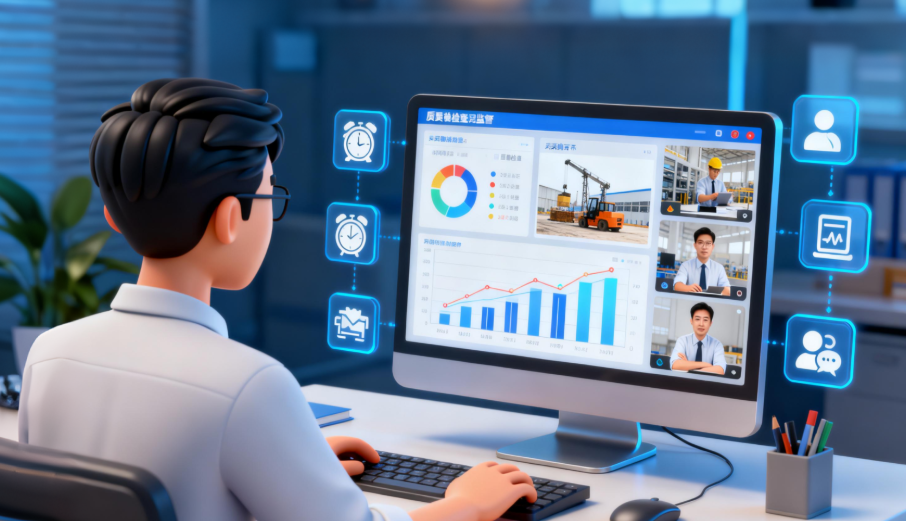
Being miles away from the production site can make monitoring a project seem daunting. But it’s entirely possible with the right systems in place. Monitoring production remotely is about leveraging technology, building trust, and ensuring constant communication with the team on the ground. The most effective way to monitor production remotely is by integrating modern technology into the supervision process. I’ve used tools like video calls, real-time dashboards, and cloud-shared status reports to track progress. When I’m unable to be physically present, I set up a framework where I can receive constant updates in various formats, such as photos, videos, and live production data. This allows me to make quick decisions and spot potential issues early.
Another effective strategy is scheduling regular check-ins with suppliers and factories. These virtual meetings ensure that both parties are aligned on goals and timelines. I also ask for visual proof of progress, such as photos and videos, which helps me verify that everything is on track. These can be shared via project management tools or instant messaging platforms, which I ensure are accessible to everyone involved.
While using China sourcing platforms can help streamline communication, I always make sure to conduct a deep supplier verification process to ensure that the team I’m working with is reliable. As part of this, I vet factories not just through online channels but also by conducting audits and checking their business licenses to mitigate risks.
Additionally, technology like IP cameras and drones can be particularly useful in more complex projects. These tools give me a real-time view of production lines, making it easier to provide effective supervision. Even though these tools cannot replace the value of physical presence, they do significantly reduce the risks of oversight.

Can I assign local staff to supervise key milestones?
Assigning local staff to supervise critical milestones is a smart strategy. But can it effectively replace direct supervision? Let’s explore how this can work. It’s often beneficial to have local staff manage key production milestones, ensuring that things stay on track while I monitor remotely from my base in China. While I often rely on remote monitoring tools, there are situations where having local staff on-site is essential. Local supervisors can bridge the gap between the remote client and the factory. They provide hands-on oversight, ensure that operations align with the set expectations, and can address issues that may arise immediately. This combination of China sourcing service and local expertise is a game-changer, particularly for milestones that require fine-tuning or immediate intervention.
The key to making this strategy work is to ensure that the local staff are well-versed in the project’s specifications and quality standards. For this reason, I conduct thorough training and ensure they have access to the same tools and information I use for remote oversight. This helps maintain continuity and ensures that no important details are missed.
I also emphasize the importance of frequent and structured updates. These could range from daily stand-ups to weekly progress reviews, depending on the project’s complexity. These updates should always include visual proof and data to provide tangible evidence of progress. Regular feedback loops between the local staff, the supplier, and myself are crucial to keeping the project aligned with timelines and quality standards.
By combining the strengths of local presence with remote monitoring, I can ensure that every project milestone is met without the need to be physically present at all times. This hybrid approach allows me to maintain strict oversight while ensuring that local staff can manage day-to-day operations effectively.
What tools do I use to provide visual updates to clients?
Providing clients with real-time, visual updates helps them stay informed about the progress of their projects. But what tools make this possible? To keep my clients in the loop, I use a variety of digital tools that provide them with clear and transparent visual updates on the production process. Visual updates are crucial for maintaining client trust and satisfaction, and I make sure that my clients always have access to real-time information. I rely heavily on cloud-based tools and project management platforms to share photos, videos, and live data. Platforms like Google Drive, Dropbox, and OneDrive are excellent for storing and sharing large files such as quality control reports, product specifications, and production photos.
For more interactive updates, I use video conferencing tools like Zoom or Teams. These platforms allow me to have live discussions with both the client and the supplier, sharing screens and discussing progress in detail. By setting up live video feeds of critical production processes, I can offer a transparent, on-demand view of the work being done. This is especially valuable for high-stakes projects where quality control is a top priority.
In addition, I use China sourcing platforms and project management software like Jira or Trello to provide a collaborative environment. These tools let me track the production process step-by-step, allowing my clients to view the status of each milestone and ensure that no detail is overlooked. I also integrate real-time updates from suppliers, enabling my clients to receive timely reports and visuals whenever required.
Ensuring that my clients have a clear visual understanding of the project not only strengthens our relationship but also ensures that they’re confident in the progress of their investments.
How do I ensure remote oversight still maintains quality?
Maintaining quality when supervising remotely can be a challenge. How do I ensure that high standards are met without being physically present? Quality control is critical, and I ensure that rigorous processes are followed even in a remote setting by using a combination of tools, inspections, and clear guidelines. Ensuring consistent quality in a remote project requires a multi-stage quality control approach. As a China procurement agent, my first step is to establish clear quality standards with both the client and the supplier. This includes defining quality control measures such as AQL (Acceptable Quality Limit) sampling standards and specific product testing protocols. These specifications are agreed upon and documented from the outset to ensure everyone involved has a clear understanding of expectations.
One of the most effective strategies I use is conducting virtual inspections at various stages of the production process. For instance, I require suppliers to send photos and videos of the first article (FAI) before mass production begins. This allows me to confirm that the product design, materials, and manufacturing processes meet the agreed-upon standards. If necessary, I hold a video conference with the factory to address any discrepancies or issues.
During the production phase, I rely on real-time data and visual updates to monitor quality control. Using project management tools, I track the production progress and ensure that any potential issues are flagged early. For higher-value products or complex orders, I may also arrange third-party inspections, either through local partners or independent agencies. These inspections are often supplemented with live video feeds from the factory, allowing me to participate in the process and provide immediate feedback.
By combining technology, remote tools, and comprehensive quality control protocols, I can ensure that quality is maintained throughout the production process, even from a distance. This proactive approach helps avoid costly mistakes and ensures that my clients receive the high-quality products they expect.
In the world of sourcing from China, remote supervision is not only feasible but also an effective strategy. With the right tools, processes, and communication, I ensure that projects meet expectations and are completed successfully.
Footnote
- P. Relan, K. Yiu et al. “Remote Supervision in Short-Term Global Health Experiences.” Journal of Tropical Medicine (2018).[2018-10-02]
- Antònia Darder Mesquida, A. P. Garcias. “Online tutoring procedure for research project supervision: management, organization and key elements.” Journal of New Approaches in Educational Research (2015).[2015-07-15]
- Ann T. Clark. “An exploration of combined distance and direct supervision experiences.” (2003).[2003-10-15]
- Priya Martin, Saravana Kumar et al. “Effective use of technology in clinical supervision.” Internet Interventions (2017).[2017-03-22]
- J. Bernard, R. Goodyear. “Fundamentals of clinical supervision.” (1991).[1991-09-01]
- E. Kirkland, Emily E Johnson et al. “Diabetes Remote Monitoring Program Implementation: A Mixed Methods Analysis of Delivery Strategies, Barriers and Facilitators.” Telemedicine Reports (2023).[2023-03-01]
- A. Popova, N. Zaitseva et al. “Distant control of sanitary legislation compliance: goals, objectives, prospects for implementation.” Hygiene and sanitation (2021).[2021-10-31]
- M. Zaheer, Saba Munir. “Research supervision in distance learning: issues and challenges.” Asian Association of Open Universities Journal (2020).[2020-04-17]
- James F. Efstation, M. J. Patton et al. “Measuring the working alliance in counselor supervision..” Journal of Counseling Psychology (1990).[1990-07-01]
- A. Inman, Sepideh S. Soheilian et al. “Telesupervision: Building bridges in a digital era..” Journal of clinical psychology (2018).[2018-12-27]