I know the sinking feeling of sending a large payment to a stranger halfway across the world. You worry about scams, poor quality, or the factory disappearing. But finding the right partner does not have to be a gamble.
To select reliable partners, we verify data on public platforms like Alibaba and check official business registries. We also leverage our local network and conduct on-site visits to assess a supplier's true capability, ensuring they meet China sourcing standards before you pay.
Let’s look at the specific steps we take to protect your business.
How do you assess supplier reliability in China?
You might see a professional website and assume the factory is legitimate. I have seen too many buyers get fooled by stock photos and fake office addresses.
We cross-reference registration data to find red flags in credit ratings. Beyond online checks, we visit the facility to verify production lines and interview management, ensuring the reality matches their digital profile for safe China supplier selection.
When we start assessing a supplier, we do not just rely on what they tell us. We have to dig deeper. The first layer is the digital footprint. We look at platforms like 1688, Alibaba, and Made-in-China. These platforms have their own verification systems, but they are not perfect. We look at how long the supplier has been a Gold Member. A company with a ten-year history is usually safer than one that popped up last month. We also look at their transaction history and reviews from other buyers.
However, the internet can lie. That is why we move to the second layer: government records. In China, every company must register with the Administration for Industry and Commerce (AIC). We access these public records to check their legal status. We look at their registered capital. If a factory claims to have 500 workers but has a tiny registered capital, that is a warning sign. We also check their business scope. A true manufacturer will have "production" or "manufacturing" listed. If the license only says "sales" or "trade," they are likely a middleman, not a factory. We also check for any legal disputes or blacklists.
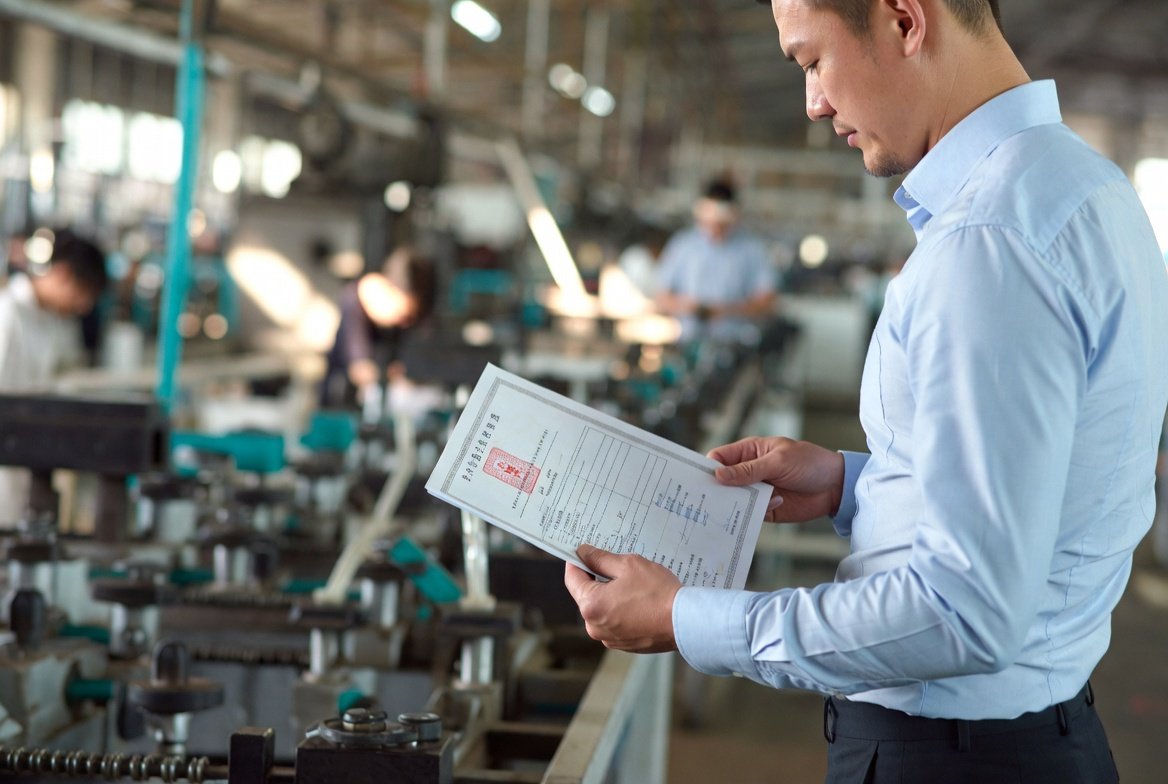
The third and most important layer is the physical assessment. Nothing beats being there in person. We visit the address listed on the license. Sometimes, we find an empty office or a totally different company. When we find the real factory, we look at the details. We check the machinery. Is it modern or rusting? We look at the workers. Do they look trained and safe? We even look at the warehouse organization. A messy warehouse usually leads to wrong shipments. We use our experience and intuition during face-to-face meetings. We talk to the boss. We judge their sincerity and their knowledge of the product. This "gut check," backed by hard data, is how we filter out the bad options.
What criteria do you use to select suppliers for my business?
Not every good factory is the right factory for your specific needs. Matching your business model to the factory’s capabilities is the real challenge we face.
I prioritize manufacturers who specialize in your specific product niche rather than generalists. We look for a proven track record, financial stability, and the willingness to accept your specific quality terms and MOQs, ensuring a perfect fit for your business model.
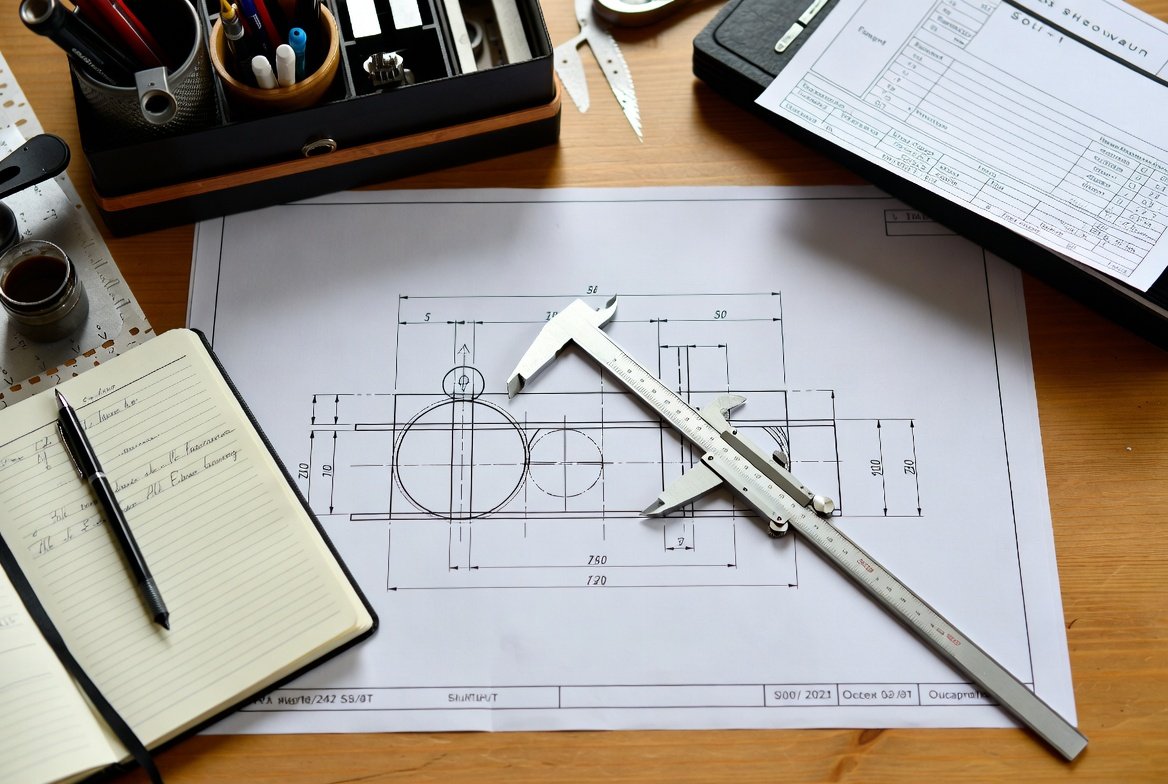
The selection process is about fit, not just finding the biggest factory. The first thing we look for is specialization. If you are buying professional hair clippers, you do not want a factory that makes toasters, fans, and clippers. You want a factory that only makes hair tools. Specialization means they understand the engineering, the common defects, and the latest trends in that specific industry. They will have the right supply chain for parts and the right testing equipment.
Next, we look at their size relative to yours. This is a critical error many buyers make. They want the biggest supplier like Foxconn. But if you are placing a $10,000 order, a giant factory will not care about you. You will be at the bottom of their priority list. Your order will be delayed if a bigger client needs capacity. On the other hand, if you are growing fast, a tiny workshop cannot keep up. We look for a "Goldilocks" supplier. They should be big enough to have good quality systems, but small enough to value your business.
We also evaluate their communication and attitude. This is often overlooked. A supplier might have great machines, but if their sales rep takes three days to reply to an email, you will have a nightmare during production. We test them. We ask detailed technical questions. We see how fast they reply and how clearly they answer. We prefer suppliers who are honest about what they can and cannot do. If a supplier says "yes" to everything, that is a bad sign. A good supplier will push back and say, "We cannot do that specific tolerance, but here is an alternative." This honesty is a key criteria for selection.
Finally, we look at their export experience. A factory that only sells domestically in China might make good products, but they will not understand US plug standards, UL certifications, or Amazon FBA packaging requirements. We select suppliers who already have experience shipping to your market.
How do you ensure quality when selecting suppliers in China?
Poor quality destroys your brand reputation overnight. You cannot afford to ship defective products to your customers and deal with expensive returns.
We implement a strict vetting process that includes auditing their quality management systems, like ISO certifications. We also require pre-production samples and conduct random inspections during manufacturing to catch issues early, acting as your dedicated China sourcing agent.
Quality is not something you check at the end. It must be built into the process from the start. When we select a supplier, we audit their Quality Management System (QMS). We do not just look at the ISO certificate hanging on the wall; we check if they actually use it. We walk through the production line. We look for "Work Instructions" at each station. Do the workers have a guide with pictures showing what a good part looks like and what a bad part looks like? If they rely on memory, quality will vary.
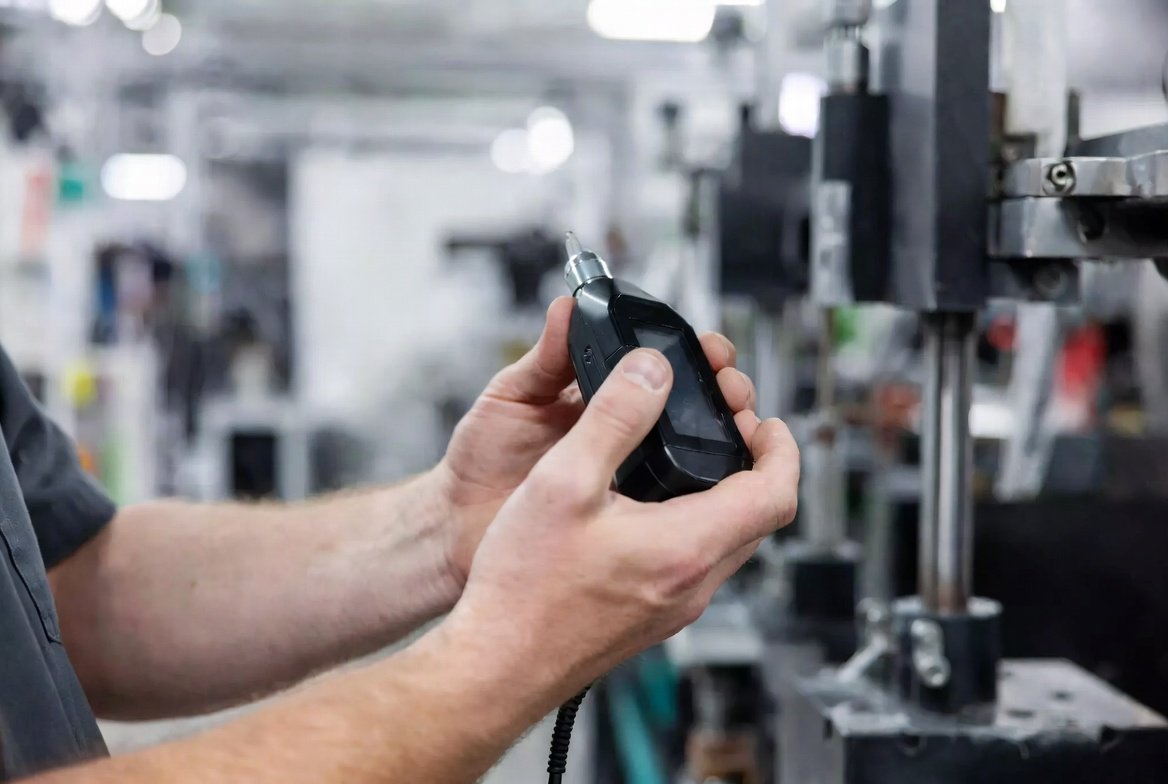
We also inspect their incoming material control. A factory is only as good as the raw materials it buys. We ask how they check the motors, the batteries, or the plastic pellets before they start production. If they do not check incoming materials, they will produce defects. We also look at their testing equipment. If they are making electronic tools, do they have aging test rooms? Do they have drop-test machines? We ask them to demonstrate the equipment to prove it works and isn't just for show.
One of the most effective tools we use is the "Golden Sample." Before mass production starts, we make the supplier produce a perfect sample. We test it, you approve it, and we sign it. One creates a standard. We keep one, the factory keeps one. If there is a dispute later, we compare the production unit to the Golden Sample. This removes ambiguity.
During production, we do not wait until the goods are packed. We perform inspections during the process. This is called DUPRO (During Production Inspection). If the plastic casing has a scratch mark because of a dirty mold, we want to catch it when 10% are made, not when 100% are packed. We force the factory to clean the mold and fix the issue immediately. This proactive approach ensures that the final product meets your standards. We also check the packaging quality. The product might be perfect, but if the box is crushed during shipping because the cardboard is too thin, the customer will be unhappy. We test the packaging strength as part of the quality assurance process.
How do you maintain long-term relationships with suppliers?
Switching suppliers constantly costs you time and money. You need a partner who grows with you, not just a one-time seller who disappears.
We build trust by treating suppliers as partners, ensuring fair payment terms and clear communication. By visiting them regularly and resolving issues collaboratively rather than just blaming them, we secure better pricing and priority production slots for your future orders.
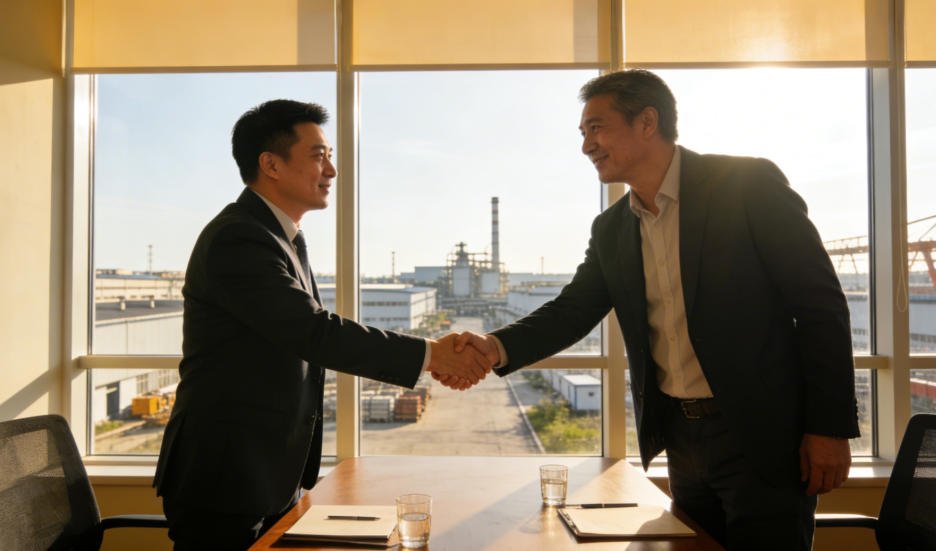
In China, business is personal. We call this "Guanxi." It means relationships and networks. Maintaining a long-term relationship requires more than just paying bills. It requires mutual respect. We act as the bridge between you and the factory to keep this relationship healthy. When a problem happens—and it always will—we do not immediately start screaming or threatening to sue. We approach it as a problem to solve together. We ask, "What caused this? How can we help you fix it so it doesn't happen again?" This approach makes the supplier more willing to help us.
We also maintain relationships by being reliable ourselves. We tell our clients that they must pay on time. If a buyer delays payment for weeks, the factory loses trust. They have to pay their workers and buy materials. If we are a reliable payer, we become a "VIP customer." This status is valuable. When the peak season comes and everyone wants their goods before Chinese New Year, the factory is fully booked. Who gets their order made first? The VIP customer. The difficult customer gets pushed to the back of the line.
Face-to-face interaction is vital for the long term. Even if there are no active orders, we check in with our key suppliers. We might have lunch with the boss or visit to see new products. This keeps us fresh in their minds. It also lets us know if the factory is in trouble. If we see half the machines are off or key staff have left, we know it might be time to switch before a crisis hits.
We also help the supplier grow. If your business is growing, we show them that sticking with us means more volume next year. We give them forecasts. This helps them plan their material purchases and labor. When a supplier sees a clear path to growth with you, they will invest in better machines or dedicate a specific team to your products. This creates a cycle of improvement. They get better, your product gets better, and your sales grow. This is the ultimate goal of a good sourcing relationship.
Final Thoughts
Selecting the right supplier is complex, but you don't have to do it alone. By verifying data, auditing factories, and building relationships, we secure your supply chain. Contact Go Source today to ensure you get the best quality and value.