<img src="https://chinagosource.com/wp-content/uploads/2025/12/1-1-how-do-you-ensure-the-reputation-and-reliability-of-chinese-suppliers-mIqfvB5Aix8gEzkU.jpg" alt="China sourcing agent holding a magnifying magnifying magnifying magnifying" />
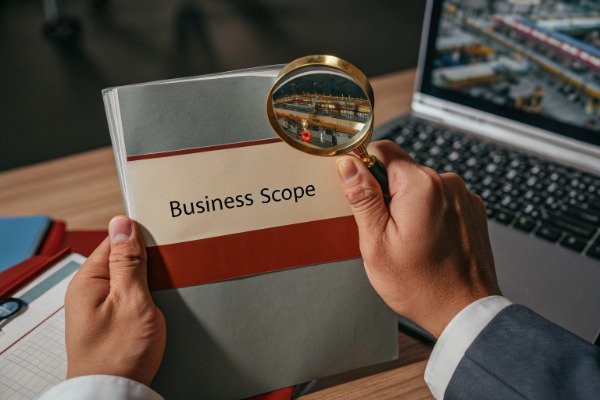
<p dir="auto" class="body">Finding a great product is easy, but finding a partner who won't disappear with your money or ship sub-par goods is hard. I have seen many buyers lose thousands because they trusted a "gold" badge on a website.</p><p dir="auto" class="body"><strong>To ensure the reputation and reliability of Chinese suppliers, you must perform a multi-layered verification. This includes checking business licenses for manufacturing scopes, verifying ISO certifications, conducting on-site factory audits, and checking client references to confirm a track record of quality and delivery.</strong></p><p dir="auto" class="body">Relying on luck is not a strategy when your business reputation is on the line. Let’s look at the specific steps I take to filter out the scammers and find the true professionals.</p><h2 dir="auto">What verification steps do you take to ensure suppliers are trustworthy?</h2><p dir="auto" class="body">I know the fear of sending a large deposit to someone I have never met in person. It is a massive risk that keeps many entrepreneurs awake at night. I use a strict checklist to remove that anxiety.</p><p dir="auto" class="body"><strong>Trustworthy suppliers are verified through a "triangulation" method: first, verifying their legal business license (Business Scope); second, confirming their physical location via video calls or third-party audits; and third, validating their financial health through credit reports and VAT invoice capability.</strong></p><h3 dir="auto">The Importance of the Business License</h3><p dir="auto" class="body">The first thing I do is ask for a copy of the Chinese business license. This is a public document, but many buyers don't know how to read it. I look specifically at the "Business Scope" (经营范围). If it does not include terms like "Produce" (生产) or "Manufacture" (制造), then the company is likely just a middleman. While traders have their place, transparency is the foundation of trust. If they claim to be a factory but their license says "Consulting" or "Trading," that is a red flag.</p><h3 dir="auto">Verifying Certifications and Standards</h3><p dir="auto" class="body">I don't just look at a PDF of an ISO 9001 certificate and call it a day. Fake certificates are common. I take the certificate number and check it against the official government database or the issuing body's website. For my clients in the hair tool industry, like Youssef, certifications like UL, CE, or ETL are non-negotiable. If a supplier cannot prove their products meet these standards, we stop the conversation immediately. It is better to spend time verifying now than to have goods seized by customs later.</p><h3 dir="auto">Digital Footprint and History</h3><p dir="auto" class="body">A reliable <strong>China supplier</strong> should have a history. I check how long they have been registered. If a company was founded three months ago but claims to have twenty years of experience, something is wrong. I also look for their presence on professional platforms and check for any legal disputes registered under their name in Chinese corporate databases. This close look at their background tells me if they are a stable entity or a "fly-by-night" operation.</p>
<img src="https://chinagosource.com/wp-content/uploads/2025/12/2-1-what-verification-steps-do-you-take-to-ensure-suppliers-are-trustworth-EMlTqcnZL0vAIJKI.jpg" alt="China sourcing agent sitting at a desk with a laptop and a laptop computer screen" />
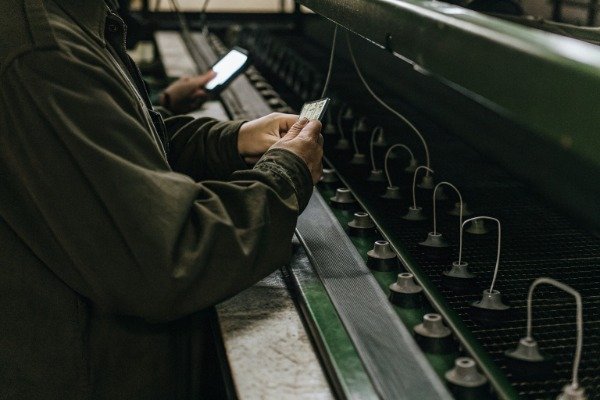
<h2 dir="auto">How do you mitigate risks associated with unreliable suppliers in China?</h2><p dir="auto" class="body">I hate the feeling of a production delay that ruins a marketing launch. It happens too often when buyers don't have a backup plan or a way to pressure the factory. I build safety nets into every deal.</p><p dir="auto" class="body"><strong>Mitigating risks involves using "milestone payments" instead of full upfront costs, conducting mid-production inspections to catch errors early, and using clear, bilingual contracts that specify penalties for delays or quality failures to protect the buyer's capital.</strong></p><h3 dir="auto">Using Contracts as a Shield</h3><p dir="auto" class="body">Many buyers think an Alibaba trade assurance order is enough, but for serious business, you need a formal contract. I ensure the contract is written in both English and Chinese. Why? Because if there is a dispute, a Chinese court or arbitrator will prioritize the Chinese version. I include specific details about the materials, the weight, the color codes (Pantone), and the packaging. If the supplier knows exactly what is expected and knows there are penalties for failing, they are much more likely to be careful.</p><h3 dir="auto">The Power of Inspection</h3><p dir="auto" class="body">Risk mitigation is about constant eyes on the ground. I recommend a "During Production" (DUPRO) inspection. Most people wait until the goods are finished to check them. If the factory made a mistake on the first 100 units, they will likely make that same mistake on all 5,000 units. By catching the error at the 10% mark, we can fix it without losing months of time. This is a core part of <strong><u><a target href="/" data-page-id="ai-5yK2l">China sourcing</a></u></strong> that saves thousands of dollars in the long run.</p><h3 dir="auto">Financial Safeguards</h3><p dir="auto" class="body">I never suggest paying 100% of the money upfront. The standard is 30% deposit and 70% balance after the final inspection is passed. This keeps the leverage in the buyer's hands. If the quality is bad, the factory knows they won't get their final payment until they fix it. I also use secure payment channels and avoid "private" bank accounts. If a sales rep asks you to send money to a personal account, run away. That is a classic sign of a scam or an employee gone rogue.</p>
<img src="https://chinagosource.com/wp-content/uploads/2025/12/3-2-how-do-you-mitigate-risks-associated-with-unreliable-suppliers-in-chin-IsbcPL0JWwG2FqQ6.jpg" alt="a man in a green jacket is holding a cell phone by China sourcing agent" />
<h2 dir="auto">Can you provide references for Chinese suppliers?</h2><p dir="auto" class="body">I often get asked if a factory can provide a list of their current customers. It sounds like a simple request, but in China, "face" and privacy are very important, and factories are often scared of losing clients to competitors.</p><p dir="auto" class="body"><strong>Legitimate suppliers can provide redacted bills of lading or reference letters from long-term international partners. While they may hide the exact names of competitors, they should be able to show a consistent history of shipping to your target market or country.</strong></p><h3 dir="auto">Understanding the Privacy Barrier</h3><p dir="auto" class="body">In my experience, the best factories are actually the most protective of their client list. If a factory gives me a list of their top five customers with phone numbers immediately, I actually get worried. It means they might give <em>my</em> info to someone else tomorrow. Instead of asking for a phone number, I ask for "Proof of Export." This includes copies of past shipping documents where the sensitive buyer names are blacked out, but the destination and product type are visible.</p><h3 dir="auto">Looking for Market Experience</h3><p dir="auto" class="body">It is vital to know if the supplier has shipped to your country before. If you are in the US, the quality standards are different than in South East Asia. I look for suppliers who already understand FDA or FCC requirements. If they have a track record of shipping to the US, they likely already have the quality control systems in place to satisfy a professional like Youssef. I ask for photos of their warehouse with goods packed for export to see if the labeling meets international standards.</p><h3 dir="auto">Third-Party Validation</h3><p dir="auto" class="body">Sometimes the best "reference" isn't a person, but a report. I use professional services to run a background check on the company's export volume. There are databases that track every shipment that leaves a Chinese port. By looking at this data, I can see if the factory is growing, shrinking, or if they have stopped shipping to certain markets. This objective data is much more reliable than a phone call to a "friend" of the factory who might just be a paid actor.</p>
<img src="https://chinagosource.com/wp-content/uploads/2025/12/5-2-how-do-you-monitor-supplier-performance-jeNAZ3etU0IJ4gVa.jpg" alt="a woman in a lab coat and goggles holding a comb by China sourcing agent" />
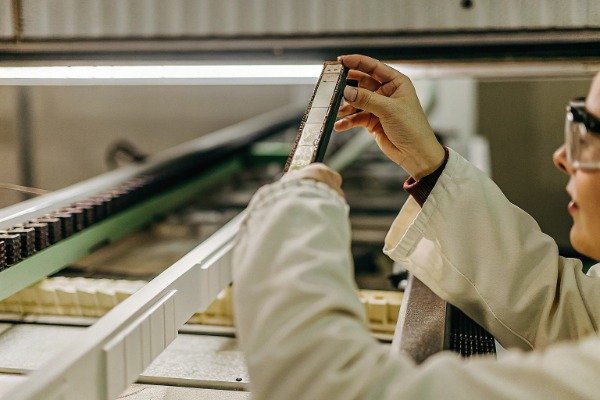
<h2 dir="auto">How do you monitor supplier performance?</h2><p dir="auto" class="body">I have seen many relationships start perfectly but fall apart after the third or fourth order. This "quality fade" is a real problem where factories slowly start using cheaper materials to increase their profit.</p><p dir="auto" class="body"><strong>Monitoring supplier performance requires a "Scorecard" system. I track key metrics like on-time delivery rates, defect percentages per batch, and communication speed. Regular factory visits and random lab testing of raw materials ensure the supplier maintains high standards over time.</strong></p><h3 dir="auto">The Supplier Scorecard</h3><p dir="auto" class="body">I treat every order as a test. I record how long it takes for them to reply to a problem. I record how many days they were late. If a supplier sees that you are tracking their performance, they respect you more. They realize you are a professional and not just a hobbyist. For a <strong><u><a target href="/" data-page-id="ai-5yK2l">China sourcing agent</a></u></strong>, this data is the most valuable tool we have. It tells us which factories deserve more business and which ones we should stop using.</p><h3 dir="auto">Preventing Quality Fade</h3><p dir="auto" class="body">Quality fade is a slow poison. On the first order, they use high-quality plastic. On the third order, they mix in 20% recycled material to save money. To stop this, I perform "Random Lab Testing." I take a sample from the production line and send it to an independent lab like SGS or ITS. I don't tell the factory which batch I am testing. When they know a lab test could happen at any time, they are much less likely to cheat on the material quality.</p><h3 dir="auto">Building Long-Term Relationships</h3><p dir="auto" class="body">Monitoring isn't just about catching mistakes; it's about building a partnership. I visit factories not just to inspect, but to have a meal with the boss. In China, business is personal. If the factory owner likes you and sees you as a long-term partner, they will prioritize your orders during the busy season. I look for suppliers who are willing to invest in new molds or technology alongside us. This shows they are thinking about the next five years, not just the next five minutes.</p><h2 dir="auto">Final Thoughts</h2><p dir="auto" class="body">Ensuring supplier reliability is a full-time job that requires a mix of data, boots on the ground, and intuition. You cannot skip the steps if you want to scale safely. If you need help verifying a factory or managing your production in China, I can help you navigate the process with ease. Would you like me to run a preliminary background check on a supplier you found?</p><h2 dir="auto">Footnote</h2><ol dir="auto"><li><p dir="auto" class="body"><span><a target="_blank" rel="noopener" class="ng-star-inserted" href="https://www.google.com/search?q=https://proqc.com/services/factory-audits/">Pro QC International: Factory Audit Checklist & Quality Control</a></span></p></li><li><p dir="auto" class="body"><span><a target="_blank" rel="noopener" class="ng-star-inserted" href="https://www.google.com/search?q=https://www.globalsources.com/knowledge/verify-chinese-suppliers/">Global Sources: How to Verify Chinese Suppliers</a></span></p></li><li><p dir="auto" class="body"><span><a href="http://Alibaba.com">Alibaba.com</a><a target="_blank" rel="noopener" class="ng-star-inserted" href="https://www.google.com/search?q=https://seller.alibaba.com/v-program/index.html">: Understanding the Verified Supplier Program</a></span></p></li><li><p dir="auto" class="body"><span><a target="_blank" rel="noopener" class="ng-star-inserted" href="https://www.google.com/search?q=https://www.sgs.com/en/service-groups/supply-chain-assessments-and-solutions">SGS: Supply Chain Audits and Factory Inspections in China</a></span></p></li><li><p dir="auto" class="body"><span><a target="_blank" rel="noopener" class="ng-star-inserted" href="https://www.google.com/search?q=https://www.chinacheckup.com/blogs/articles/chinese-business-license-translation">China Checkup: How to Read a Chinese Business License</a></span></p></li><li><p dir="auto" class="body"><span><a target="_blank" rel="noopener" class="ng-star-inserted" href="https://www.qima.com/quality-control-services">QIMA: Manufacturing Quality Control Services and On-site Audits</a></span></p></li><li><p dir="auto" class="body"><span><a target="_blank" rel="noopener" class="ng-star-inserted" href="https://www.iso.org/iso-9001-quality-management.html">International Organization for Standardization: ISO 9001 Quality Management</a></span></p></li><li><p dir="auto" class="body"><span><a href="http://Trade.gov">Trade.gov</a><a target="_blank" rel="noopener" class="ng-star-inserted" href="https://www.google.com/search?q=https://www.trade.gov/country-commercial-guides/china-due-diligence">: Due Diligence for Sourcing from China</a></span></p></li><li><p dir="auto" class="body"><span><a target="_blank" rel="noopener" class="ng-star-inserted" href="https://www.google.com/search?q=https://www.sofeast.com/blog/10-red-flags-sourcing-china/">Sofeast: 10 Red Flags When Sourcing from China</a></span></p></li><li><p dir="auto" class="body"><span><a target="_blank" rel="noopener" class="ng-star-inserted" href="https://sa-intl.org/programs/sa8000/">Social Accountability International: SA8000 Standard for Social Compliance</a></span></p></li></ol>
How do you ensure the reputation and reliability of Chinese suppliers?
Please send your inquiry here, if you need any help about China sourcing, thanks.

Hi everyone! I’m Allen Zeng, Co-Founder and Product & Sales Director at GoSource.
I’ve been working with China manufacturing and global e-commerce for many years, focusing on product development, channel sales, and helping brands bring ideas to life in real markets. I started this journey in Shenzhen, at the heart of the world’s manufacturing ecosystem, because I believe great products deserve great execution.
Over time, I’ve seen how challenging it can be for small and medium-sized businesses to navigate supplier selection, production decisions, and market expectations between China and overseas. That’s one of the reasons I co-founded GoSource — to make sourcing more transparent, efficient, and aligned with what your customers really want.
Here, I’ll share practical insights and real experiences from product sourcing, manufacturing coordination, and cross-border sales strategies. If you’re exploring sourcing from China, product development, or potential collaboration, feel free to reach out anytime!
Please send your inquiry here, if you need any help about China sourcing, thanks.