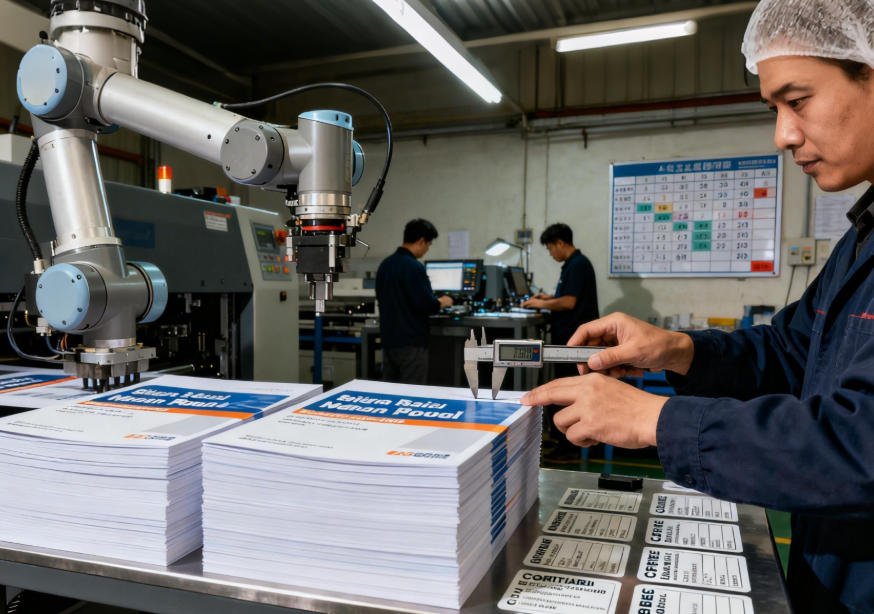
Finding a partner who understands the complexity of bilingual product manuals and labeling is crucial for global success. As a dedicated China sourcing agent, I specialize in ensuring your technical documentation and packaging labels meet both manufacturing reality and international legal standards. In this guide, we’ll explore the precise steps to secure high-quality multilingual support for your products.
Yes, as a sourcing agent in China, I can absolutely help with bilingual product manuals and labeling, such as Chinese and English, to support international market compliance and improve customer experience.Now, let’s explore what exactly this process involves and how it benefits your business.
Can I Translate Manuals and Packaging into English and Chinese?
Many clients want to know if it's possible to have manuals and labels in both English and Chinese. This is especially important for businesses aiming to expand into markets like the U.S. or Europe.
Absolutely. I help clients translate and design bilingual manuals and labels that comply with international standards. I coordinate the translation, design, and ensure the labels meet regulatory requirements for both domestic and export markets.When handling bilingual product manuals and labeling, I focus on a few key areas to ensure accuracy and compliance.
Translation and Design
First, I work closely with professional translators to ensure the manual or label content is not only translated accurately but also adapted culturally. This is important because direct translations can sometimes miss nuances or lead to confusion. For example, certain phrases or warnings in English may not make sense to Chinese consumers without adjustment.
Regulatory Compliance
Different markets have different regulatory standards for labeling. For instance, products sold in the EU or North America must comply with their specific guidelines on safety warnings, usage instructions, and certification marks. In China, the labeling must meet national standards, which require specific font sizes, product information, and even certain Chinese phrases such as "Made in China." As a China sourcing agent, I ensure that labels are tailored to both the target market and Chinese regulations.
File Formats and Design Coordination
Clients typically provide the content they want to appear on the labels in a variety of formats. However, it's important that the files are in a format that can be easily understood by both translators and designers. I typically ask clients to submit their text in Word or PDF formats, but it’s essential that these documents are clearly formatted to ensure the layout is correct when printed.
I also work with trusted designers and printers to make sure the labels are not just compliant, but also visually appealing. After finalizing the design, I coordinate with the factory to ensure the labels are printed and placed correctly on the product packaging.
Working with Suppliers
One of the most critical aspects of this process is working closely with suppliers in China. Often, the product itself is being manufactured alongside the packaging, so I ensure the labels are properly integrated into the production process. This is where my role as a China procurement agent is key, as I make sure everything aligns perfectly with the product’s design and functionality, while also meeting international standards.
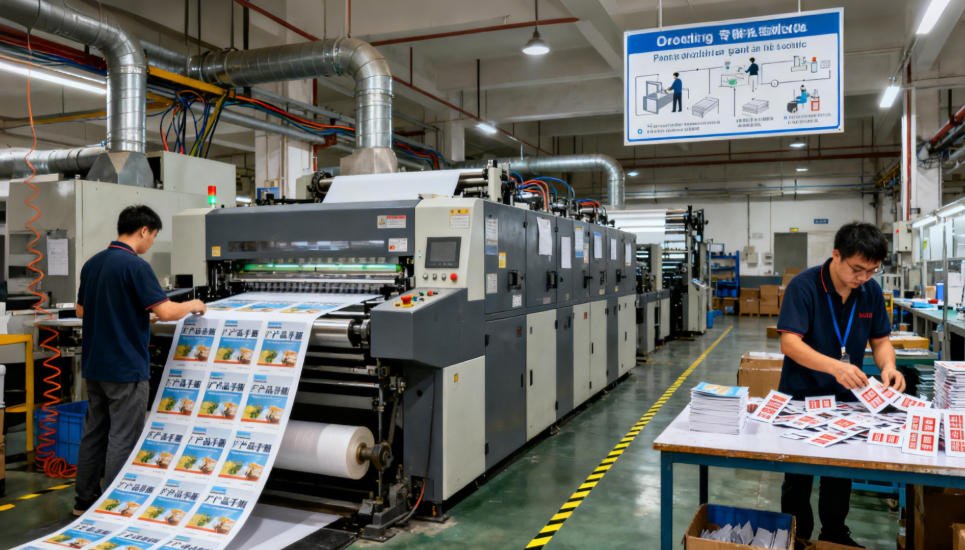
How Do I Ensure the Accuracy and Cultural Relevance of Translations?
As a China sourcing agent, I know that simply translating labels isn't enough. The translation must resonate culturally with consumers to avoid confusion or potential mistakes.I ensure accuracy and cultural relevance in translations by working with professional translators who specialize in product labeling. They don’t just translate the words; they adapt the content to the local culture and market expectations.While translation is crucial, ensuring that the translated content is culturally relevant is just as important. For example, a phrase that works well in English might be confusing or even inappropriate in Chinese. That’s why I rely on expert translators who are not just bilingual but also familiar with the local market’s cultural nuances.
Understanding the Target Market
In every market, there are unique expectations about product information. For instance, in North America and Europe, safety warnings on product labels must be clear and easy to understand, especially for products like electronics or food. In China, the regulatory framework might require specific symbols or phrases that are not typically used in other regions.
I also ensure that any local certifications, such as “CE” in Europe or “FCC” in the U.S., are correctly included on the labels. The goal is to ensure the product’s label doesn't just comply with regulatory standards but also promotes trust and confidence in the brand.
Legal Considerations
The challenge of translation isn’t only linguistic. In some cases, it’s important to ensure that the translation is legally compliant in both the export market and in China. In many cases, I work closely with legal experts to ensure that the product labels and manuals meet all legal requirements before they go into production. For example, in some markets, a product that doesn’t clearly communicate how to use it or fails to include safety instructions could result in legal issues or product recalls.
What Are the Benefits of Bilingual Labeling for International Markets?
There are several reasons why bilingual labeling is a strategic choice when expanding into international markets. The right labels can boost customer trust and increase the marketability of your product.Bilingual labeling not only ensures compliance with local regulations but also helps build consumer trust by making the product more accessible and understandable to a wider audience.Bilingual labeling provides several key advantages that go beyond just regulatory compliance. For businesses looking to enter new markets, clear and accessible product information can make a big difference in consumer trust and satisfaction.
Expanding Market Reach
Offering bilingual product labels and manuals is a great way to make your product more marketable. In markets like the U.S. or EU, products with bilingual labeling are often preferred, especially when the product is safety-sensitive or requires careful usage instructions. By providing information in both the local language and a widely understood language like English, you can make your product more approachable for non-native speakers.
Reducing Customer Confusion
Bilingual labels help reduce confusion by providing clear instructions and warnings in multiple languages. This is particularly helpful for international customers who may not be familiar with the language of the country where the product is manufactured. As a China sourcing agent, I’ve found that bilingual labeling can significantly improve the customer experience, reduce product returns, and enhance satisfaction.
Legal Compliance
As mentioned earlier, many countries require bilingual labeling for certain product categories. In the European Union, for example, product packaging often needs to include both the local language and a second language, which is typically English. By adhering to these regulations, companies can avoid costly fines or delays in getting their products to market.
Enhancing Brand Reputation
Having bilingual labeling shows cultural sensitivity and a commitment to meeting the needs of a diverse customer base. For businesses looking to build an international brand, this is a simple yet effective way to demonstrate your dedication to customer experience and global expansion.
Final Thoughts
Bilingual labeling is not just a nice-to-have; it’s a necessity for businesses looking to expand globally. By offering bilingual manuals and labels, companies can ensure compliance, improve customer satisfaction, and expand their reach in international markets.
Footnote
- China - Labeling/Marking Requirements
- 6 Product Labelling Requirements For Export - ECQA
- Asian Translation for International Packaging and Labeling
- How to Stay Compliant with China's Labeling Requirements for Imported Food
- China Food Labelling Regulation Effective March 2027 - Cisema
- China's Labeling Requirements for Food Imports
- What are the general technical labelling requirements for F&B products?
- Packaging and standards - Santandertrade.com
- A Guide to Packaging and Labeling Regulations for Exported Goods
- Navigating China's Complex Landscape of Consumer Product Labeling Requirements