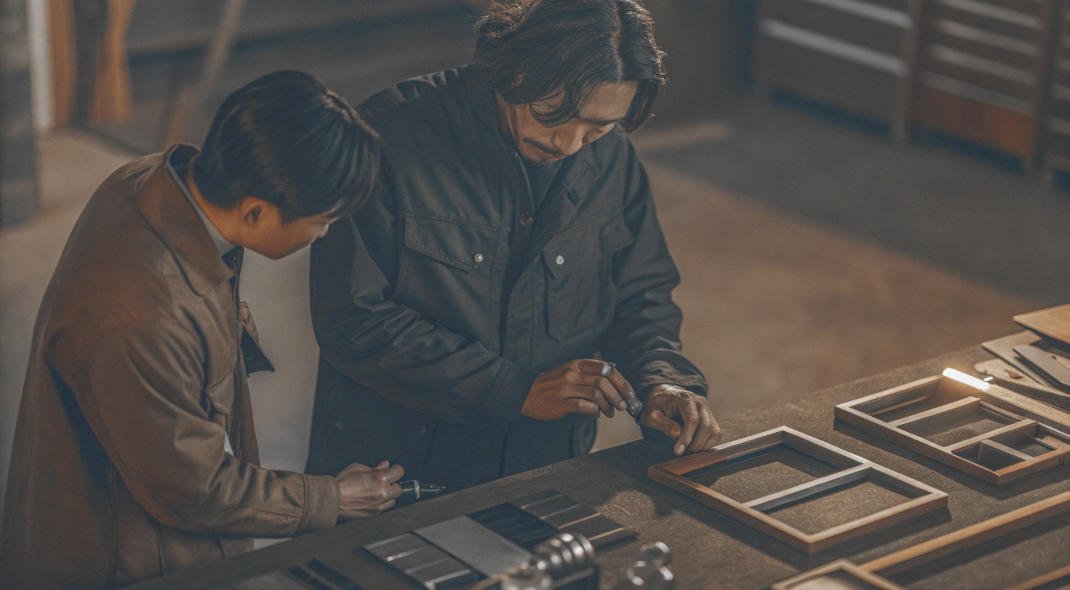
I know how stressful mold projects can become when timelines slip and quality drops, so I try to face these tasks with a clear plan from day one.
I handle mold making and sample validation by setting clear technical rules, approving design files before steel cutting, watching each tooling step, and only moving to mass production after samples match the agreed standard in dimensions, looks, and function.
I will walk you through how this full workflow looks in real projects and why each step matters.
How do I select mold manufacturers for quality and speed?
I know the risk of choosing the wrong mold maker because I have managed projects where early mistakes caused long delays.
I select mold manufacturers by checking their engineering ability, export experience, sampling method, and tool-room capacity. I study their machining setup, review past molds, and confirm how fast they can run trials under real production conditions.
Understanding the full selection process
When I choose a mold maker, I look at several layers of information. Each layer helps me reduce risk for clients who rely on stable project flow. Many buyers who try to source tools on their own face two issues: unclear capability and uncertain timelines. A clear method helps avoid this.
Checking engineering strength
I start with basic technical skills. A mold maker must work with strong CNC, EDM, polishing, and fitting teams. I ask for photos of past molds and I check details such as gate design, cooling channel layout, and cavity texture. These details show real workmanship. I also check if the shop offers in-house design. A shop with a full design team can solve issues faster.
Reviewing quality systems
A mold maker should run under stable systems. If a shop follows ISO practices, it shows some basic discipline. I also check their measurement tools. They need calipers, height gauges, CMM machines, and hardness testers. I ask for calibration records. Many factories say they have these tools, but the real question is whether they use them correctly.
Checking sampling method
Most China mold makers run T0, T1, T2, and T3 trials. I confirm how they define each stage. I ask what they do in T0 and how they fix issues before T1. I check how long they need between each round. This helps me plan the project and manage client expectations.
Understanding real capacity
I visit or request a video tour. I check how many machines they run and how full the shop is. A shop that is too busy cannot deliver fast. A shop that is too empty might not have stable orders. I pick shops with a balanced workload.
Matching mold class to client needs
Different projects need different mold classes. Some clients need Class 101 molds for long life. Some only need low-volume Class 103 tools. I check if the factory has the right steel suppliers and heat-treat partners. This ensures the mold can run as long as the client expects.
Bringing it all together
This full process helps me match clients with suitable suppliers. It protects projects from slow delivery and weak engineering. It also helps keep China sourcing safe and predictable for overseas buyers who need a reliable system.
Can I oversee mold trials and first article inspections?
I know how easy it is for problems to hide during early trials, so I always try to watch these tests in person or send a trained engineer.
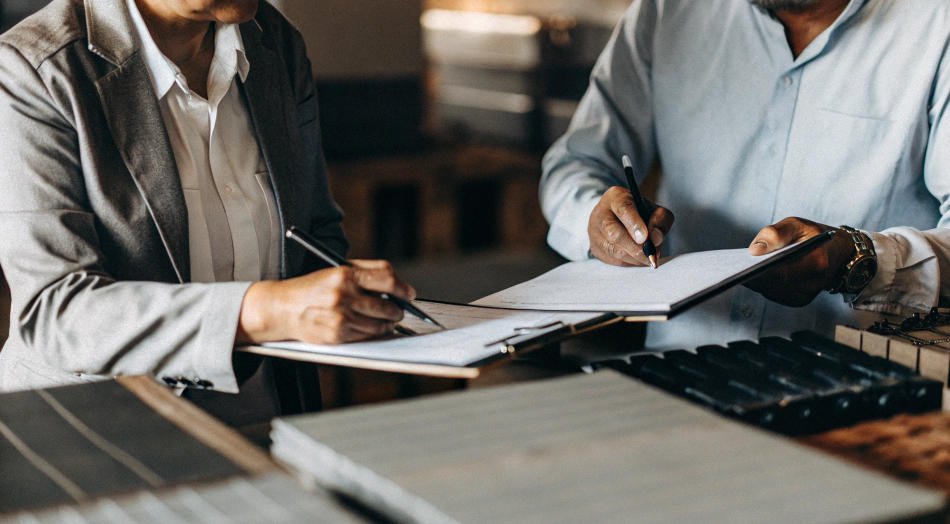
I oversee mold trials and first article inspections by confirming machine setup, checking each defect, recording measurement data, and giving the mold maker a clear list of corrections before the next round of sampling. Let's go sourcing in China!
Why direct oversight matters
Many buyers do not see what happens during T0 or T1. Without direct oversight, they trust whatever the factory reports. This leads to misunderstandings because early samples often show defects that need careful review. So I treat this stage like a controlled test.
Watching machine setup
Before any trial, I confirm the injection machine size. I also check melt temperature, mold temperature, cooling time, injection speed, and pressure. I ask the operator to write these down. These numbers help build a stable process later.
Checking common defects
At T0, defects are normal. I look for short shots, flash, warpage, burn marks, and flow lines. I take photos of each defect and explain them to the tool shop. I also ask for mold opening and closing videos to verify alignment. I check ejector pins and cooling lines for leaks.
Recording measurement data
I measure key dimensions and compare them with the drawing. This shows if steel needs to be removed or added. I always review these numbers before sending them to the client. This step helps create a clean and easy report.
Reviewing first article parts
I run functional checks using the mating parts. If a part must clip, twist, or slide, I test it several times. If it must handle impact or pressure, I test that too. This helps confirm that the mold is on the right track.
Giving correction instructions
I prepare a clear correction list. I note each defect, the cause, and the expected fix. I ask the factory to confirm the timeline for each fix. This keeps the project calendar stable and avoids hidden delays.
Why this matters for clients
Strong oversight makes China supplier work more transparent. It also reduces the chance of errors moving into mass production. This is one of the most important roles of a China sourcing agent because it prevents many common risks.
What’s my process for getting client approval on samples?
I know sample approval can become slow and confusing, so I try to give clients clean reports and clear choices.
I get client approval by sending detailed reports, high-resolution images, measurements, and videos. I also send physical samples when time allows, and I ask the client to sign two sets of pre-production samples to lock the production standard.
Why client approval needs structure
Many projects fail because buyers approve samples without clear reference. Later, they face disputes because no one can confirm what the correct standard was. I try to avoid this by using a signed pre-production sample system.
Sending detailed data
I prepare a sample report. It includes measurements, cosmetic checks, and functional tests. I add photos from several angles. I also include videos that show movement or assembly. This helps clients understand the sample without traveling.
Physical sample confirmation
If time allows, I send samples by express. This is the best way to confirm feel, weight, and finish. I ask clients to inspect these samples under normal light.
Signed pre-production samples
Once the sample is approved, I prepare two signed pieces. One goes to the factory. One stays with the client or with me. This removes disputes if the production batch looks different. The signed sample becomes the only correct reference. Let's go sourcing in China!
Handling fast schedules
If the timeline is very tight, I use extra images and videos to help the client confirm. I try to show light reflection, surface texture, color tone, and assembly fit. These details help clients feel more confident even when shipping samples is slow.
Keeping communication direct
I try to keep each message clear and simple. This matches how many professionals in the U.S. prefer to communicate, especially buyers like my typical client profile who want fast answers and no long explanations.
How do I ensure mold quality aligns with final production needs?
I know the risk of approving a mold too early, so I use a full validation flow that checks design, process, and long-term stability.
I ensure mold quality aligns with production needs by confirming DFM, checking tooling files, validating samples, running a pilot batch, and locking a stable process window before mass production starts.
Why this full process matters
A mold is not only a metal block. It is the foundation of the full production cycle. If it is wrong, every part will be wrong. So I treat mold validation as a long path, not a single test.
DFM confirmation
I start with a DFM review. I check gate placement, parting lines, draft angles, and wall thickness. I look at venting and ejection. This helps avoid defects before steel cutting.
Tooling file approval
I ask for 3D and 2D drawings. I check cavity layout and cooling channels. I review tolerances and surface finish. These files control the mold’s performance. So I do not allow steel cutting until the drawings are signed.
Sample validation
I check dimensions, cosmetics, and function across several rounds. Each round should show improvement. I check if defects are solved or if new ones appear. This helps me understand how stable the tool is.
Pilot run
Before mass production, I ask for a pilot batch. The factory must run the mold for hours. I check cycle time, scrap rate, and process repeatability. This confirms real production conditions.
Process lock
When the mold works well, I lock the process window. I document machine settings, cooling time, pressure, and temperature. The factory must follow these numbers. This helps keep production stable.
Preventing long-term issues
I ask the factory to keep a mold maintenance record. This includes cleaning, greasing, and replacing worn parts. Good maintenance protects the client’s tool and avoids quality drops over time.
Final Thoughts
Strong control over molds and samples makes production stable and reduces risk for buyers. Let's go sourcing in China!
Footnote
- What checklist should I use for Chinese mold maker supplier audits
- How to define mold specifications and tolerances for quotes
- What sample validation steps are essential before PVT
- How to manage IP protection and NDAs with Chinese toolmakers
- What are realistic lead times and cost breakdowns for molds in China