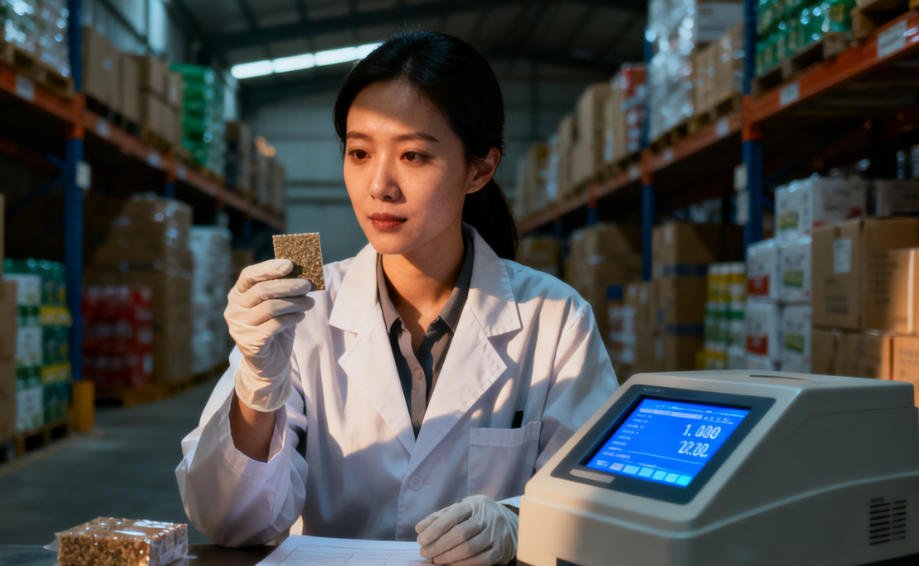
I often see great samples fall apart during mass production, so I focus on clear standards and early controls to avoid expensive mistakes.
As a China sourcing agent, I make sure approved samples match mass production by locking all specifications in writing, signing and sealing golden samples, running structured inspections from pre-production through shipment, and tracking every deviation until I confirm full consistency.
When you work with manufacturers in a fast-moving supply chain, small changes grow into big issues. A clear and firm process helps you keep order quality stable and predictable.
How do I document and lock in sample specifications?
I see many projects fail because sample details stay vague, so I push myself to remove all guesswork before anything enters the production line.
I document and lock sample specifications by writing a complete spec sheet, adding drawings, measurements, tolerances, material lists, testing methods, and even photos. I attach this document to the contract and ask both sides to sign the golden sample to remove uncertainty.
When I look at the gap between a perfect sample and a flawed shipment, I often find missing details in the paperwork. Many suppliers rely on their own assumptions. They guess the level of finish, color tone, or tolerance. A simple phrase like “high quality material” means nothing on a factory floor. I avoid this by creating a specification package that shows the exact rules of the product.
Clear material definitions
I list every raw material with grade, supplier names when needed, and simple notes. This stops material substitution. Some factories change materials during mass production to cut cost, so clear definitions give me strong ground to correct it early.
Simple drawings with tolerances
Drawings help even for simple items. I use basic dimension sketches. I list acceptable ranges, so workers and QC staff know which variations are allowed.
Color and surface details
Color changes happen often. Small shade shifts turn a premium brand into a cheap look. I add Pantone codes and surface photos. When both sides keep physical samples, mistakes drop.
Functional tests
I write simple test steps. I include load tests, drop tests, and life-cycle tests. When the product is an electronic item, I list voltage, temperature limits, and noise levels. These simple lists help the factory check daily.
Safety rules
Many buyers skip this step. I add UL, CE, or FDA requirements when needed. I write them in a way that any inspector can read easily. The supplier then knows these rules are not optional.
Binding the documents
I attach everything to the purchase contract. I ask the factory to sign and seal the golden sample. This makes the sample legally binding under Chinese contract law. It also helps during disputes. Most experienced China sourcing agents use this step as a basic rule because it avoids unclear expectations.
When all details are on paper and signed, communication becomes calm and simple. Both sides follow the same version. No one needs to guess.
Can I perform pilot runs before full production?
I see many projects go wrong because the first full batch becomes the testing ground, so I always try to confirm a small run first.
I run pilot builds when the product is complex or when the supplier is new. A pilot run helps me check real production conditions, confirm the process, test materials, and fix issues before large quantities roll out.
A pilot run uses the same machines, workers, and materials as the real mass production. It gives me a clear view of what the factory can deliver at scale. When a supplier makes a sample by hand, the quality looks perfect. The problem shows up when regular workers copy the same steps on a fast line. A pilot run shows this gap early.
Why pilot runs matter
Pilot runs help me see process problems that samples hide. For example, a hand-made prototype may use extra glue, extra polishing, or slow steps. The line workers cannot do that. A pilot batch reveals these differences.
How many units to test
I often request 20–50 units. The number depends on product type. For a simple plastic item, 20 units may be enough. For an electronic tool, I need more to check heat behavior, signal stability, and noise.
What I test during the pilot
I check:
Function performance
Measurement consistency
Appearance finish
Packaging performance
Worker handling steps
Material flow on the line
Tooling stability
Cycle time
Fail rate
These help me see if mass production will repeat the golden sample quality. If results show issues, I ask for corrections and run another small batch. This may feel slow, but it saves time and money. One failed container costs far more.
Linking pilot run results to approval
I keep photos and reports. I compare them with the golden sample and the written spec sheet. If everything meets the rules, I let the factory move forward. If not, we repeat corrections. Many experienced buyers in China sourcing follow this step for high-risk items.
Pilot runs protect your timeline, budget, and reputation. They reduce guesswork and give you real data before committing to large production.
What quality checks do I apply to mass-produced goods?
I learned that most quality failures appear because checks happen too late, so I place controls before, during, and after production.
I check quality by inspecting raw materials before production, reviewing semi-finished goods during production, and verifying finished products with AQL sampling before shipment. I compare all results directly with the golden sample.
Quality control is a chain of simple checkpoints. When one area fails, the whole order changes. Many factories produce perfect samples but slip during bulk production. I avoid this by building a routine that repeats every time.
Pre-production inspection
I go to the factory when materials arrive. I check color, thickness, grades, and quantities. I make sure tools, molds, and machines are ready. I confirm the workers know the key details. This step blocks material substitution.
During-production inspection (DUPRO)
I visit when 20–30% of the goods are complete. I pull random units using AQL rules. I look for early defects. If I see bad trends, I stop the line. I ask the factory to adjust the process. I check repairs. This step protects the whole batch.
Final inspection
I check 100% finished and at least 80% packed goods. I compare items with the golden sample. I check functions, appearance, size, and packaging. I use standard AQL levels. If results fail, I ask for rework. The factory pays for re-inspection when the mistake is theirs.
Container loading checks
Sometimes good goods still ship with wrong items. I check the loading process. I confirm the quantity, the labels, the carton condition, and the container condition. I take photos of everything.
Why all checks matter
Using these steps, I reduce quality risks. They work as a team. Many China supplier issues happen when buyers skip middle checks. Factories need reminders and clear records. Good inspection habits build stable production.
How do I manage consistency across production batches?
I see many factories deliver one good batch and one weak batch, so I track long-term data and update my process each cycle.
I keep consistency by storing inspection records, comparing batches against the same golden sample, performing random audits, maintaining steady communication, and repeating the same QC steps for every order to create a stable pattern.
Batch stability is one of the most difficult goals in manufacturing. A supplier may produce a strong first batch because they focus more at the beginning. Later batches can slip when they try to save time or cost. I manage this risk with steady routines.
Keeping history for every batch
I record inspection results, photos, defect lists, and corrective actions. I compare new orders against older ones. When I see new defects, I act fast.
Reusing the same standard
I use the same golden sample each time. I store it in sealed bags. I keep duplicates. I remind suppliers that this is the reference for every new order.
Unannounced audits
Factories improve quality when they know checks can happen anytime. I visit sometimes without notice. I review materials, machines, and storage. I check if workers follow the same steps as before.
Communication rhythm
I send short, simple messages. I confirm details in writing. I do video calls when something seems unclear. Clear communication stops misunderstanding, which is common in cross-cultural manufacturing.
Adjusting rules
If a supplier performs well many times, I may use lighter checks. If problems grow, I increase checks. This helps me balance time and cost.
Why this step matters
Consistency protects your brand. Customers notice changes fast. Keeping the same level each batch is the main goal of any China sourcing company that handles long-term projects.
Final Thoughts
Stable results come from clear standards, early checks, and steady communication. Let’s go sourcing in China.
Footnote
P. Relan, K. Yiu et al. “Remote Supervision in Short-Term Global Health Experiences.” Journal of Tropical Medicine (2018).[2018-10-02]
Antònia Darder Mesquida, A. P. Garcias. “Online tutoring procedure for research project supervision: management, organization and key elements.” Journal of New Approaches in Educational Research (2015).[2015-07-15]
Ann T. Clark. “An exploration of combined distance and direct supervision experiences.” (2003).[2003-10-15]
Priya Martin, Saravana Kumar et al. “Effective use of technology in clinical supervision.” Internet Interventions (2017).[2017-03-22]
J. Bernard, R. Goodyear. “Fundamentals of clinical supervision.” (1991).[1991-09-01]
E. Kirkland, Emily E Johnson et al. “Diabetes Remote Monitoring Program Implementation: A Mixed Methods Analysis of Delivery Strategies, Barriers and Facilitators.” Telemedicine Reports (2023).[2023-03-01]
A. Popova, N. Zaitseva et al. “Distant control of sanitary legislation compliance: goals, objectives, prospects for implementation.” Hygiene and sanitation (2021).[2021-10-31]
M. Zaheer, Saba Munir. “Research supervision in distance learning: issues and challenges.” Asian Association of Open Universities Journal (2020).[2020-04-17]
James F. Efstation, M. J. Patton et al. “Measuring the working alliance in counselor supervision..” Journal of Counseling Psychology (1990).[1990-07-01]
A. Inman, Sepideh S. Soheilian et al. “Telesupervision: Building bridges in a digital era..” Journal of clinical psychology (2018).[2018-12-27]